Now Reading: Sacco Sector Shock: Mhasibu Sacco Seeks Recovery of Funds from KUSCCO
-
01
Sacco Sector Shock: Mhasibu Sacco Seeks Recovery of Funds from KUSCCO

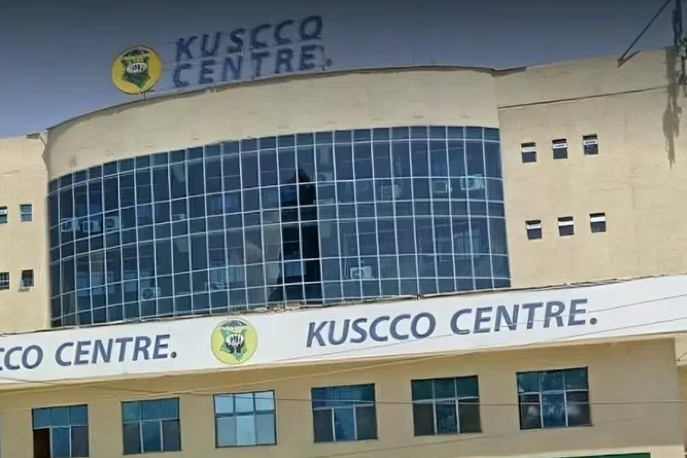

A fresh Sacco sector crisis is unfolding as the Mhasibu Sacco and KUSCCO dispute escalates into a high-stakes financial battle over Sh480 million in unpaid deposits. Mhasibu Sacco is now seeking to recover the funds from Kenya Union of Savings and Credit Co-operatives, raising serious questions about liquidity, governance, and risk management within Kenya’s cooperative movement. The dispute comes at a time when confidence in Saccos is under scrutiny, following broader concerns about financial stability in the sector. For thousands of members who rely on these institutions for savings and credit, the stakes are significant. This case could become a defining moment for trust and accountability in Kenya’s Sacco ecosystem.
Mhasibu Sacco and KUSCCO Dispute Raises Liquidity and Governance Concerns
The Mhasibu Sacco and KUSCCO dispute centers on claims that funds deposited by Mhasibu Sacco with Kenya Union of Savings and Credit Co-operatives (KUSCCO) have not been repaid, triggering a push to recover approximately Sh480 million. These deposits are typically part of liquidity management strategies, where Saccos place funds with umbrella bodies or financial institutions for safekeeping or returns.
However, the failure to access these funds has exposed potential weaknesses in how such arrangements are structured and monitored. For members and stakeholders, the situation raises concerns about the safety of Sacco deposits held in external institutions, oversight and governance mechanisms within cooperative structures, and the ability of umbrella bodies to meet financial obligations.
The Mhasibu Sacco and KUSCCO dispute is particularly significant because Saccos play a crucial role in Kenya’s financial system, providing affordable credit and savings solutions to millions of people. Any instability within the sector can have wide-reaching economic and social implications.
Industry analysts note that trust is the foundation of cooperative finance. When disputes of this magnitude emerge, they risk undermining confidence not just in the institutions involved, but in the entire Sacco ecosystem.

Mhasibu Sacco and KUSCCO Dispute Signals Wider Sector Risk and Reform Pressure
Beyond the immediate financial claim, the Mhasibu Sacco and KUSCCO dispute highlights deeper structural issues that could prompt regulatory scrutiny and reform across the Sacco sector. Authorities may be forced to reassess how cooperative funds are managed, particularly when placed with third-party institutions.
According to a financial sector expert, this case could trigger tighter regulations around how Saccos manage and safeguard member funds. As a result, transparency and accountability will be key going forward.
Read: Kenya Tightens Multinational Tax Rules on Loans and Royalties
The implications of the dispute extend across the market. Some of the implications include increased calls for stronger regulatory oversight, potential reforms in Sacco investment and deposit policies, and heightened due diligence by Sacco members and stakeholders.
For investors and policymakers, the Mhasibu Sacco and KUSCCO dispute serves as a warning signal about systemic risks within cooperative finance. While Saccos remain a vital part of Kenya’s economy, ensuring their stability will require improved governance frameworks and risk management practices.
At the same time, resolving the dispute effectively could help restore confidence and reinforce the sector’s resilience. Clear accountability, transparent processes, and timely resolution will be critical in maintaining trust among members.
Ultimately, the Mhasibu Sacco and KUSCCO dispute is more than a financial disagreement—it is a stress test for Kenya’s cooperative financial system. The outcome could shape how Saccos operate, how they are regulated, and how members perceive their safety for years to come.
Previous Post
Next Post