Now Reading: Saudi Arabia Expands Strategic Push into Africa with Billions in Investment Plans
-
01
Saudi Arabia Expands Strategic Push into Africa with Billions in Investment Plans
Saudi Arabia Expands Strategic Push into Africa with Billions in Investment Plans

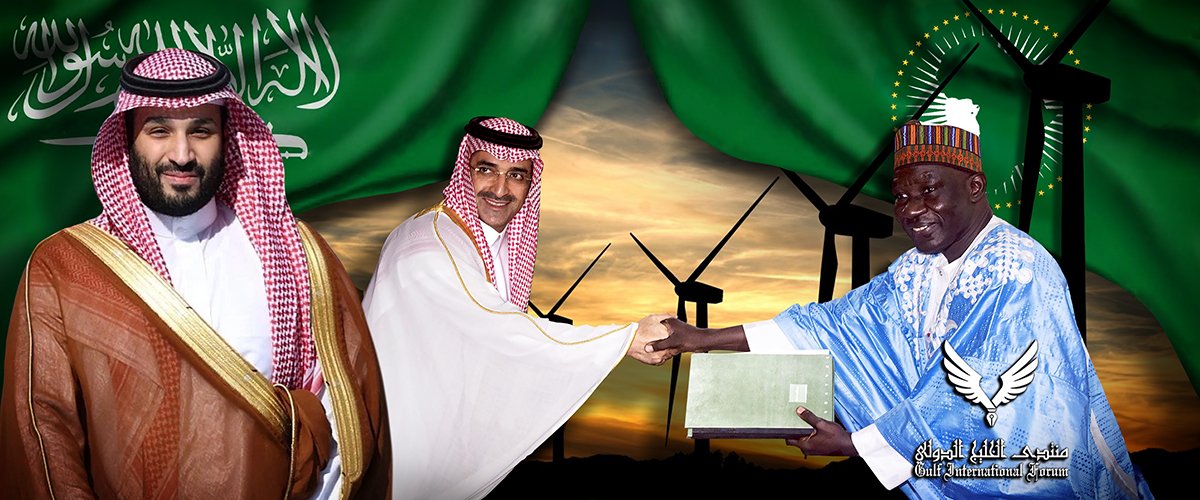

Saudi Arabia is rapidly deepening its economic footprint in Africa, positioning the continent as a central pillar of its long-term strategy to diversify its economy beyond oil and secure critical resources, trade routes, and new markets.
Driven by its Vision 2030 agenda, the Kingdom is ramping up trade and investment links across sectors, including energy, infrastructure, agriculture, and mining, marking a significant shift from its historically inward-looking economic posture.
The scale of ambition is substantial.
Saudi Arabia has pledged to invest more than $25 billion in Africa over the next seven years, a figure later expanded to $41 billion over the coming decade. The package includes development financing, export support, and funding for startups, signalling a broad-based approach to economic engagement.
Analysts say the push reflects both economic and strategic priorities.
“Saudi investment in African markets appears to be part of a long-term strategy combining economic diversification and resource security,” said Pratibha Thaker of the Economist Intelligence Unit.
At the centre of this expansion is Saudi Arabia’s Public Investment Fund (PIF), which is leading investments across the continent through its subsidiaries.
The Kingdom is targeting sectors aligned with its domestic priorities, including food security, energy transition, and industrial development.
Africa’s vast natural resources, expanding consumer markets, and strategic geographic position have made it an attractive destination for Saudi capital.
Focus on ports, logistics, and strategic corridors
Initial investments have been concentrated in North Africa and the Horn of Africa, regions closest to Saudi Arabia across the Red Sea.
Djibouti has emerged as a key hub in the Kingdom’s strategy, hosting major Saudi-backed projects including a logistics city with a 92-year lease and a $12.7 billion oil refinery under development.
Saudi firms have also secured port concessions, including operations at the Port of Tadjourah, strengthening their foothold in regional trade and transport networks
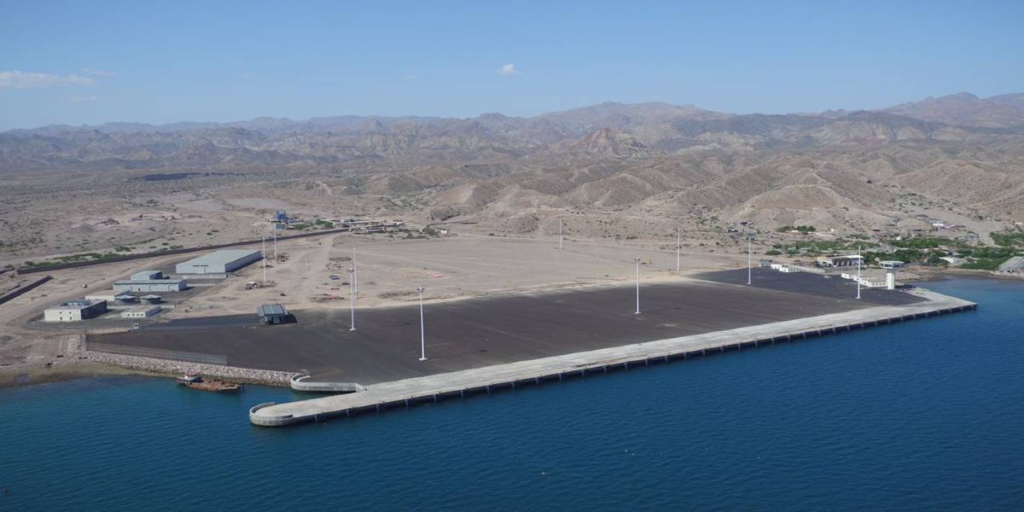
Experts say these investments are closely tied to the Kingdom’s interest in securing trade routes and ensuring supply chain resilience, particularly as tensions in the Middle East continue to disrupt traditional shipping lanes.
“With threats to shipping routes through the Gulf, the Red Sea has become an increasingly important artery for Saudi trade,” analysts note.
Security considerations are also shaping investment decisions, with Saudi Arabia maintaining a military presence in Djibouti and monitoring developments across the Horn of Africa.
Securing food and mineral supply chains
Beyond infrastructure, Saudi Arabia is intensifying efforts to secure access to food and critical minerals from Africa.
The Kingdom imports at least 80 per cent of its food due to its arid climate, making agricultural investments a strategic priority.
Saudi-backed firms, including the Saudi Agricultural and Livestock Investment Company (SALIC), have increased stakes in major agribusinesses such as Olam Agri, strengthening supply chains for essential commodities.
Officials have described Africa as a potential “breadbasket” capable of supporting global food security.
Mining is another key focus area, as Saudi Arabia seeks to build a global hub for mineral processing and battery production.
Investments in African mining projects are expected to provide raw materials needed for the Kingdom’s expanding industrial and energy transition ambitions.
Energy partnerships and clean power expansion
While oil remains central to Saudi Arabia’s economy, the Kingdom is also investing heavily in renewable energy projects across Africa.
ACWA Power, one of Saudi Arabia’s flagship companies, is developing large-scale solar and wind projects in countries including Egypt, Morocco, and South Africa.
In December 2025, the company signed a cooperation framework with the African Development Bank to finance a $5 billion pipeline of clean energy and water projects through 2030.
The company is also expanding into desalination and green hydrogen, sectors seen as critical to addressing water scarcity and supporting sustainable development.
A planned $800 million desalination plant in Senegal is expected to be the largest in Africa once completed.
Meanwhile, a 3,000-megawatt electricity interconnector between Egypt and Saudi Arabia is nearing completion, paving the way for cross-border energy trade between Africa and the Middle East.
Growing partnerships and long-term outlook
African governments are increasingly viewing Saudi Arabia as a key investment partner, particularly in energy and infrastructure projects.
Compared to traditional Western investors, Saudi financing is often perceived as less conditional, making it more attractive for large-scale, integrated projects.
The growing engagement reflects a broader shift in Africa’s global partnerships, as countries seek to diversify sources of investment and reduce reliance on traditional donors.
Despite geopolitical tensions in the Middle East and competition from other Gulf states such as the United Arab Emirates, analysts say Saudi Arabia’s commitment to Africa is likely to deepen.
“Saudi Arabia’s engagement with Africa is increasingly framed as a long-term strategic commitment,” Thaker said.
With investments spanning decades-long projects in infrastructure, energy, and agriculture, the Kingdom’s presence on the continent is expected to expand both geographically and economically.
For Africa, the influx of Saudi capital presents opportunities to accelerate development, strengthen infrastructure, and unlock new trade corridors.
For Saudi Arabia, it marks a decisive step in reshaping its global economic footprint—one that places Africa at the heart of its future growth strategy.
Also Read: Kenya Meat Exports Plunge as Cargo Flights to Gulf Region Collapse – Business News
Related Posts

Previous Post
Next Post