Now Reading: Kenya Real Estate Shift: Wealthy Investors Move to Remote Land for Long-Term Gains
-
01
Kenya Real Estate Shift: Wealthy Investors Move to Remote Land for Long-Term Gains
Kenya Real Estate Shift: Wealthy Investors Move to Remote Land for Long-Term Gains

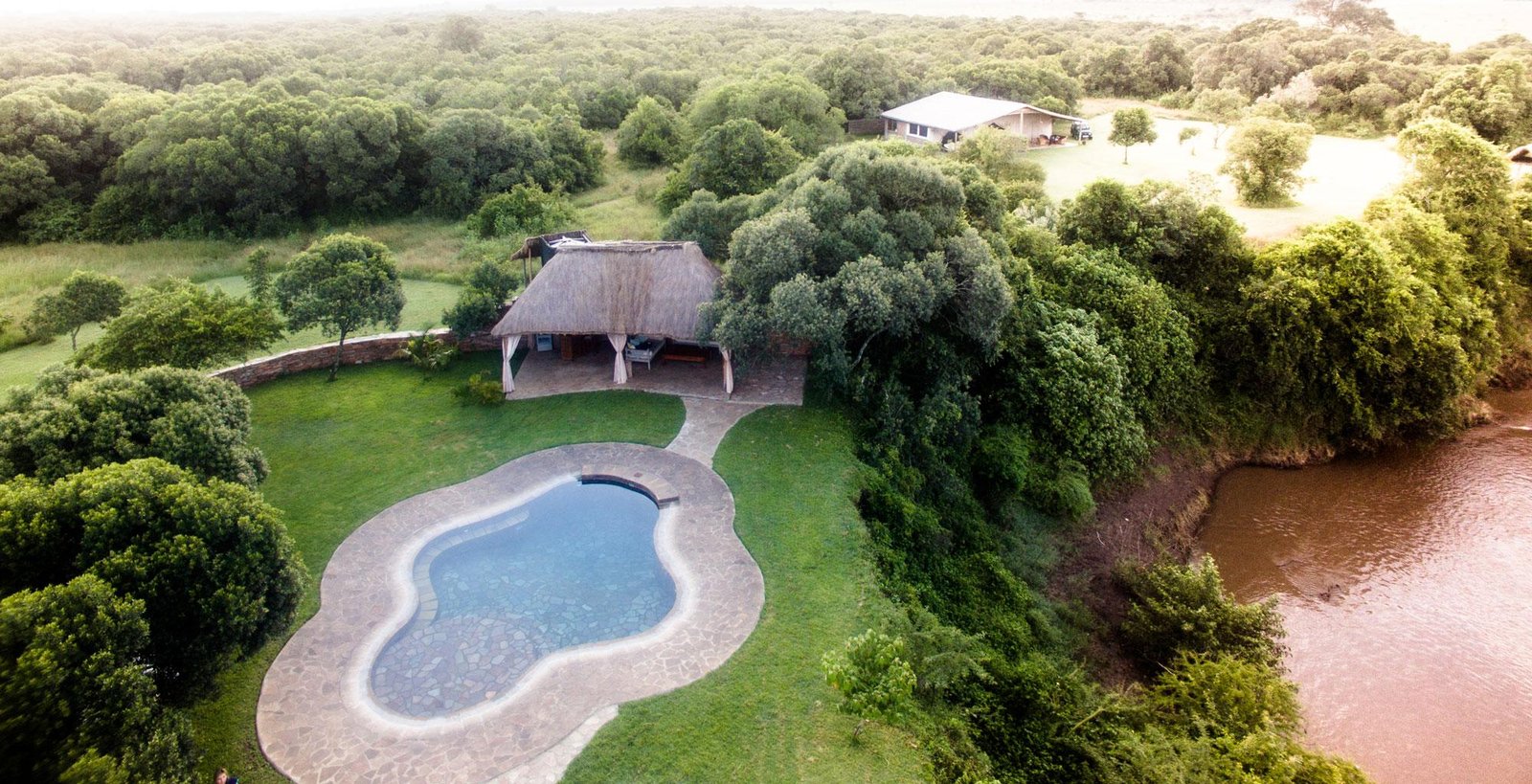

Kenya real estate shift is unfolding far from the traditional urban hotspots, as a growing class of high-net-worth investors redirects capital toward remote and underdeveloped regions. While many buyers continue to focus on plots within towns and satellite areas around Nairobi, a quieter but more strategic movement is taking shape in areas such as Laikipia, Naivasha, and Samburu. These locations, once considered too remote for mainstream investment, are now attracting capital not for immediate development, but for long-term positioning and value creation.
This Kenya real estate shift reflects a deeper change in investment strategy, where land is no longer viewed purely as a development asset but as a multi-dimensional store of value. Investors are increasingly thinking beyond short-term returns, focusing instead on future infrastructure expansion, environmental value, and alternative income streams. As a result, land that appears idle today is being quietly accumulated as a strategic asset for tomorrow’s economy.
Kenya Real Estate Shift Driven by Land Banking and Lifestyle Demand
A key driver of the Kenya real estate shift is the growing adoption of a land banking mindset among wealthy investors. Rather than seeking quick returns through construction or resale, these buyers are acquiring large tracts of land with a 5- to 20-year horizon. The logic is straightforward: as infrastructure projects expand and urban congestion increases, demand will inevitably push outward, transforming today’s peripheral regions into tomorrow’s prime real estate zones.
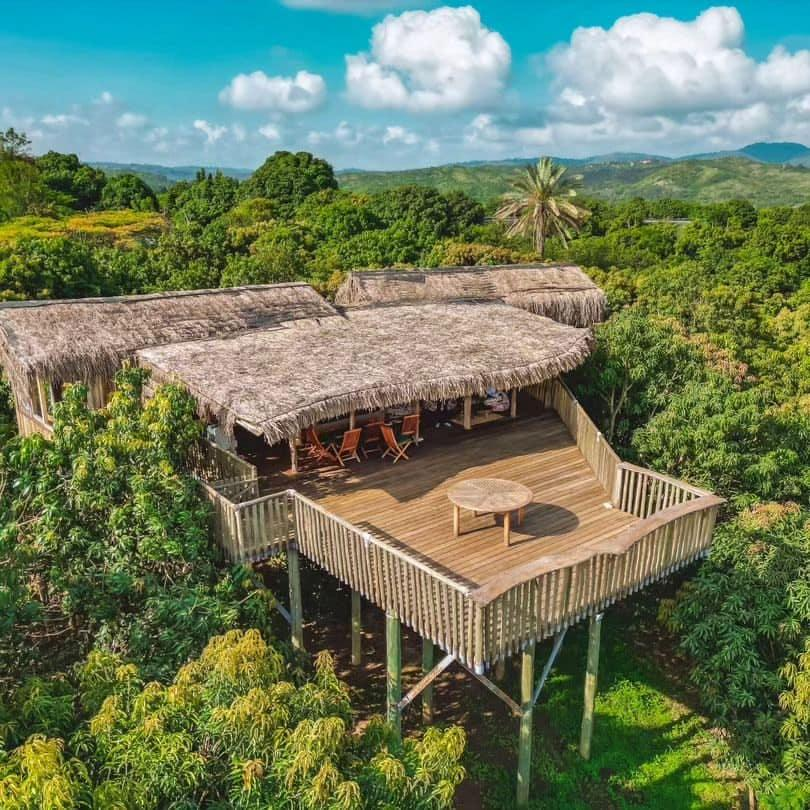
This strategy is reinforced by changing lifestyle preferences among affluent buyers. There is a rising demand for privacy, space, and exclusivity—qualities that are increasingly difficult to secure in urban centers. Regions like Laikipia and Samburu offer expansive landscapes, natural beauty, and a level of control that urban properties cannot match. This has led to the emergence of private ranches, conservancies, and off-grid luxury homes designed to cater to a niche but growing market segment.
The Kenya real estate shift is therefore not just about financial returns but also about lifestyle positioning. Investors are seeking assets that combine long-term appreciation with immediate experiential value, creating a hybrid investment model that blends real estate with personal utility.

Sustainability, Tourism, and New Income Streams Shape Kenya Real Estate Shift
Another defining element of the Kenya real estate shift is the increasing importance of sustainability and environmental value. Land in regions like Samburu and Laikipia is being re-evaluated as an environmental asset capable of generating income through carbon credits and conservation initiatives. As global demand for carbon offset solutions grows, investors are recognizing the potential of preserving natural ecosystems while monetizing them through structured environmental programs.
Tourism is also playing a critical role in shaping this trend. Naivasha and Laikipia are already established tourism destinations, attracting both local and international visitors. Large landholdings in these areas create opportunities for eco-lodges, wellness retreats, and experiential travel offerings that align with shifting consumer preferences toward nature-based and sustainable tourism.
You Might Also Like: African Investment Shift Signals New Era of Self-Funded Growth
From an investment perspective, this diversification of income streams enhances the attractiveness of remote land acquisitions. Instead of relying solely on capital appreciation, investors can generate revenue through tourism, conservation partnerships, and environmental credits. This multi-layered approach reduces risk while increasing the overall value proposition of such assets.
The Kenya real estate shift ultimately reflects a broader redefinition of what constitutes “prime” property. Distance from urban centers is no longer a disadvantage but, in many cases, an indicator of untapped potential. For forward-looking investors, the question is not whether these regions are too far, but whether they are simply early in their growth cycle.
As infrastructure development continues and demand patterns evolve, today’s overlooked locations could become the next frontier of high-value real estate. In this context, the Kenya real estate shift is less about geography and more about timing—rewarding those who recognize opportunity before it becomes obvious.
Previous Post
Next Post