Now Reading: SGR Expansion to Malaba Could Unlock Regional Growth
-
01
SGR Expansion to Malaba Could Unlock Regional Growth

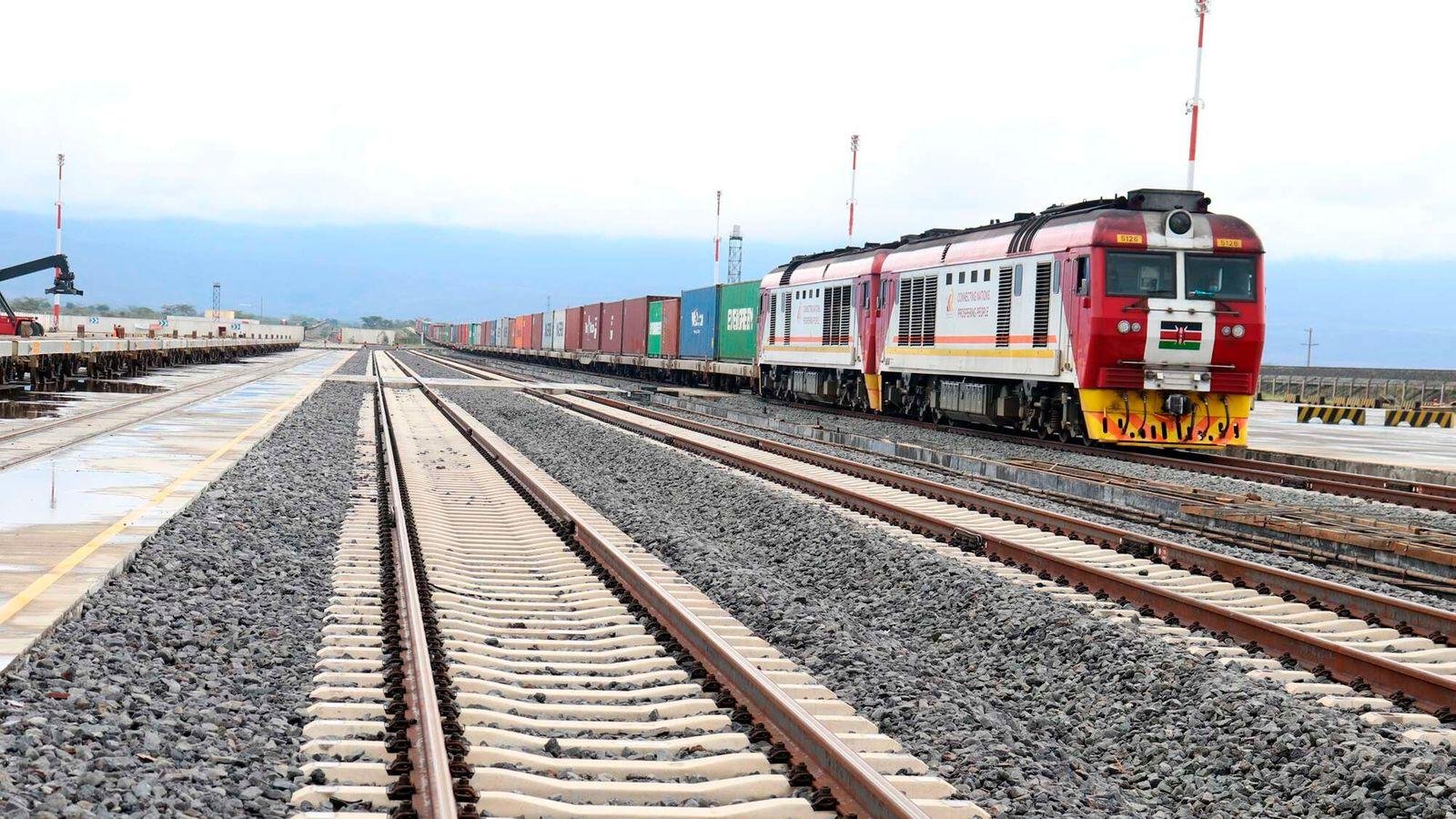

The Kisumu-Malaba SGR is emerging as a critical infrastructure project with the potential to reshape trade and regional integration across East Africa. As discussions around its development gain momentum, the railway extension is increasingly viewed as a strategic link connecting Kenya’s transport network to neighboring economies. By improving cargo movement and reducing logistical bottlenecks, the project could significantly enhance competitiveness within the region. The growing focus on the Kisumu-Malaba SGR reflects a broader ambition to position Kenya as a central hub in East Africa’s trade ecosystem.
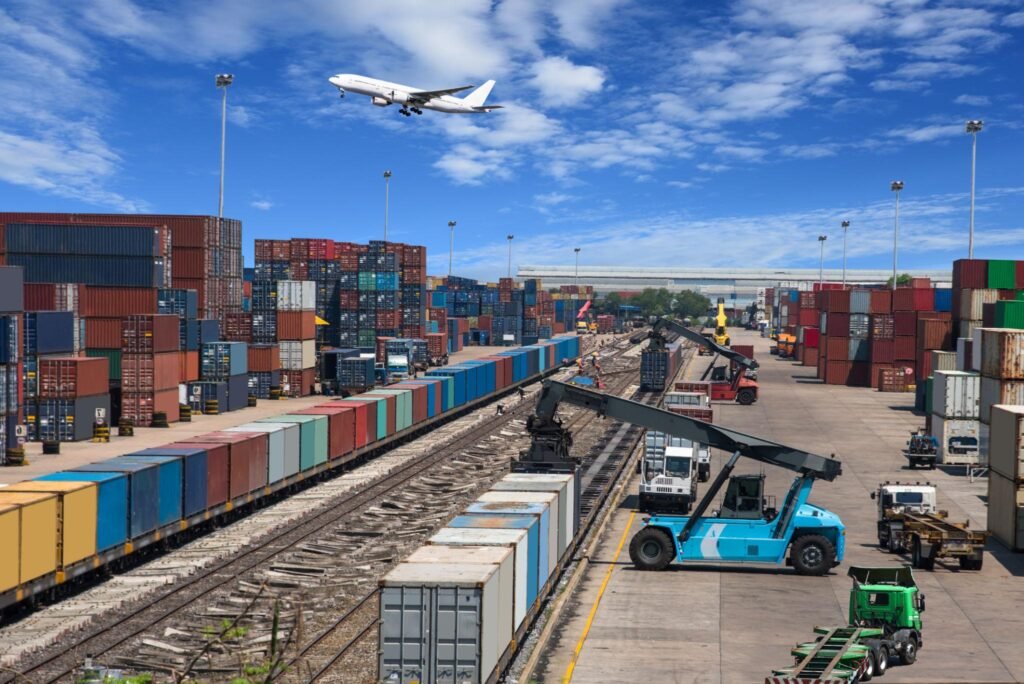
Kisumu-Malaba SGR to Strengthen Trade Corridors and Regional Integration
he proposed Kisumu-Malaba SGR extension is expected to play a transformative role in strengthening regional trade corridors by linking Kenya more efficiently with Uganda and beyond. As a continuation of the existing Standard Gauge Railway, the line would extend connectivity from Naivasha through Kisumu to Malaba, a key border point that handles a significant share of trade between Kenya and its landlocked neighbors.
By reducing reliance on road transport, the Kisumu-Malaba SGR could lower freight costs, improve delivery timelines, and ease congestion along major highways. This would benefit a wide range of sectors, from manufacturing to agriculture, where efficient logistics are essential for competitiveness. For exporters, faster and more reliable transport routes translate into improved access to regional markets.
The integration aspect of the Kisumu-Malaba SGR is particularly significant within the framework of the East African Community, which has long prioritized infrastructure development as a key driver of economic cooperation. Enhanced rail connectivity would facilitate cross-border trade, streamline customs processes, and support the movement of goods across member states.
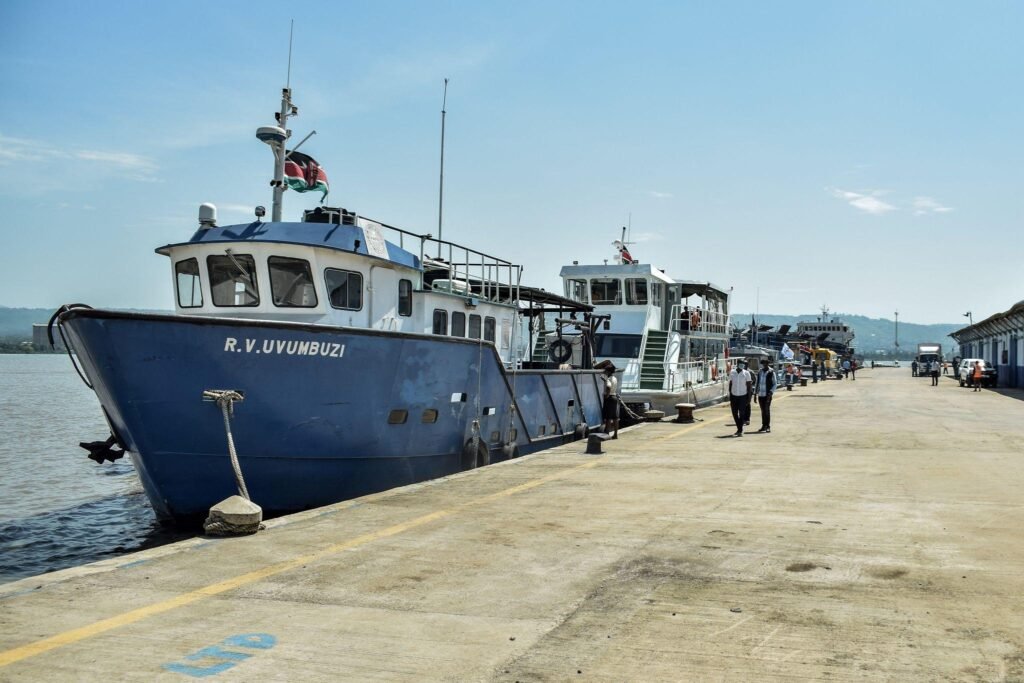
In addition, the link to Kisumu positions the railway to leverage Lake Victoria as a complementary transport route. By connecting rail and water transport, the project could create a multimodal logistics network that enhances efficiency and expands trade capacity within the region.
he proposed Kisumu-Malaba SGR extension is expected to play a transformative role in strengthening regional trade corridors by linking Kenya more efficiently with Uganda and beyond. As a continuation of the existing Standard Gauge Railway, the line would extend connectivity from Naivasha through Kisumu to Malaba, a key border point that handles a significant share of trade between Kenya and its landlocked neighbors.
By reducing reliance on road transport, the Kisumu-Malaba SGR could lower freight costs, improve delivery timelines, and ease congestion along major highways. This would benefit a wide range of sectors, from manufacturing to agriculture, where efficient logistics are essential for competitiveness. For exporters, faster and more reliable transport routes translate into improved access to regional markets.
The integration aspect of the Kisumu-Malaba SGR is particularly significant within the framework of the East African Community, which has long prioritized infrastructure development as a key driver of economic cooperation. Enhanced rail connectivity would facilitate cross-border trade, streamline customs processes, and support the movement of goods across member states.
In addition, the link to Kisumu positions the railway to leverage Lake Victoria as a complementary transport route. By connecting rail and water transport, the project could create a multimodal logistics network that enhances efficiency and expands trade capacity within the region.
Kisumu-Malaba SGR Expected to Drive Economic Growth but Faces Funding Questions
Beyond logistics, the Kisumu-Malaba SGR is expected to have broader economic implications, including job creation, industrial growth, and increased investment in surrounding regions. Infrastructure projects of this scale often stimulate local economies by attracting businesses, improving access to markets, and encouraging urban development along transport corridors.
However, the project also raises important questions around financing and sustainability. Large-scale railway developments require substantial capital investment, and policymakers must balance the benefits of improved infrastructure with the risks associated with increased public debt. Institutions such as the National Treasury Kenya will play a central role in determining how the project is funded and managed.
See Also: Iran War Hits Africa but Opens Door for Economic Reset
Analysts emphasize the need for a clear financing strategy that ensures long-term viability without placing excessive strain on public finances. Public-private partnerships, concessional loans, and regional collaboration are among the options being considered to support the project’s development.
At the same time, the success of the Kisumu-Malaba SGR will depend on effective implementation and coordination with neighboring countries. Infrastructure alone is not enough; regulatory alignment, efficient border processes, and supportive trade policies are essential to maximize its impact.
Ultimately, the Kisumu-Malaba SGR represents a strategic opportunity to deepen regional integration and unlock economic potential. If executed effectively, it could redefine how goods move across East Africa, strengthening Kenya’s position as a regional trade hub and driving growth across multiple sectors.
Previous Post
Next Post