Now Reading: Regional Power Play: Angola, Botswana, and Zambia Redefine Energy Ownership
-
01
Regional Power Play: Angola, Botswana, and Zambia Redefine Energy Ownership
Regional Power Play: Angola, Botswana, and Zambia Redefine Energy Ownership

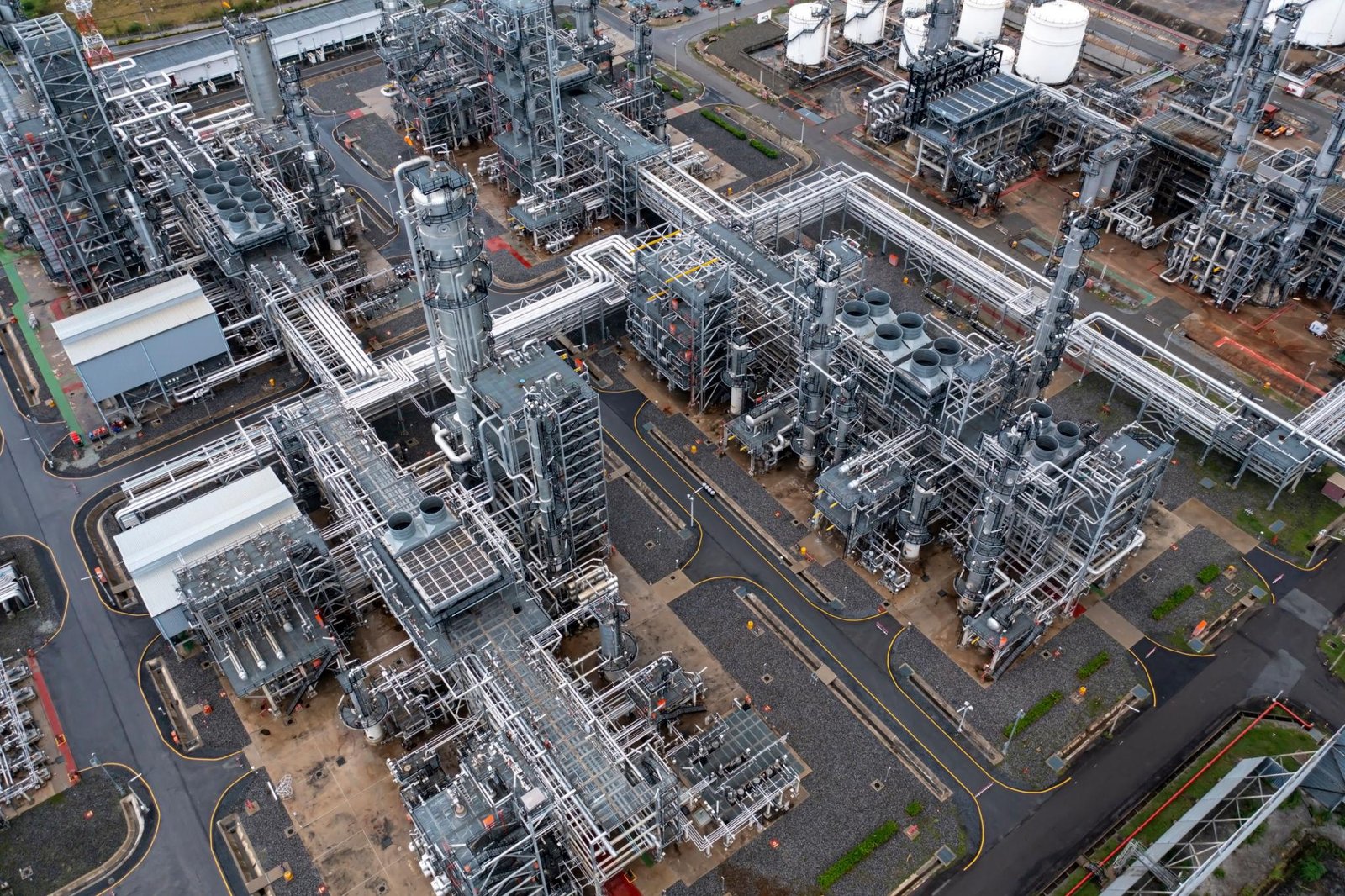

The Africa energy sovereignty shift is gaining momentum as strategic infrastructure deals begin to reshape how the continent controls its energy future. A landmark development has emerged with Angola offering Botswana a 30% stake in the Lobito Oil Refinery, while Zambia has already secured a 26% share. This move goes far beyond a conventional oil transaction. It represents a structural rethinking of ownership, value chains, and regional collaboration in Africa’s energy sector. For decades, African economies exported crude oil while importing refined products, effectively outsourcing value creation. The Africa energy sovereignty shift now signals a reversal of that model, with downstream control increasingly returning to the continent.
This development positions the Lobito refinery as more than a national asset. It is evolving into a shared regional platform, where multiple countries co-own and benefit from critical energy infrastructure. The implications extend across energy security, industrialization, and capital markets, marking a significant turning point in Africa’s economic strategy.

Africa Energy Sovereignty Shift Redefines Regional Integration and Energy Security
At the core of the Africa energy sovereignty shift is a new approach to regional integration, where countries collaborate through equity participation rather than relying on external supply chains. For landlocked economies like Botswana and Zambia, owning stakes in refining infrastructure provides a direct pathway to energy security. Instead of being exposed to volatile global fuel markets and logistical bottlenecks, these countries gain partial control over supply, pricing, and distribution.
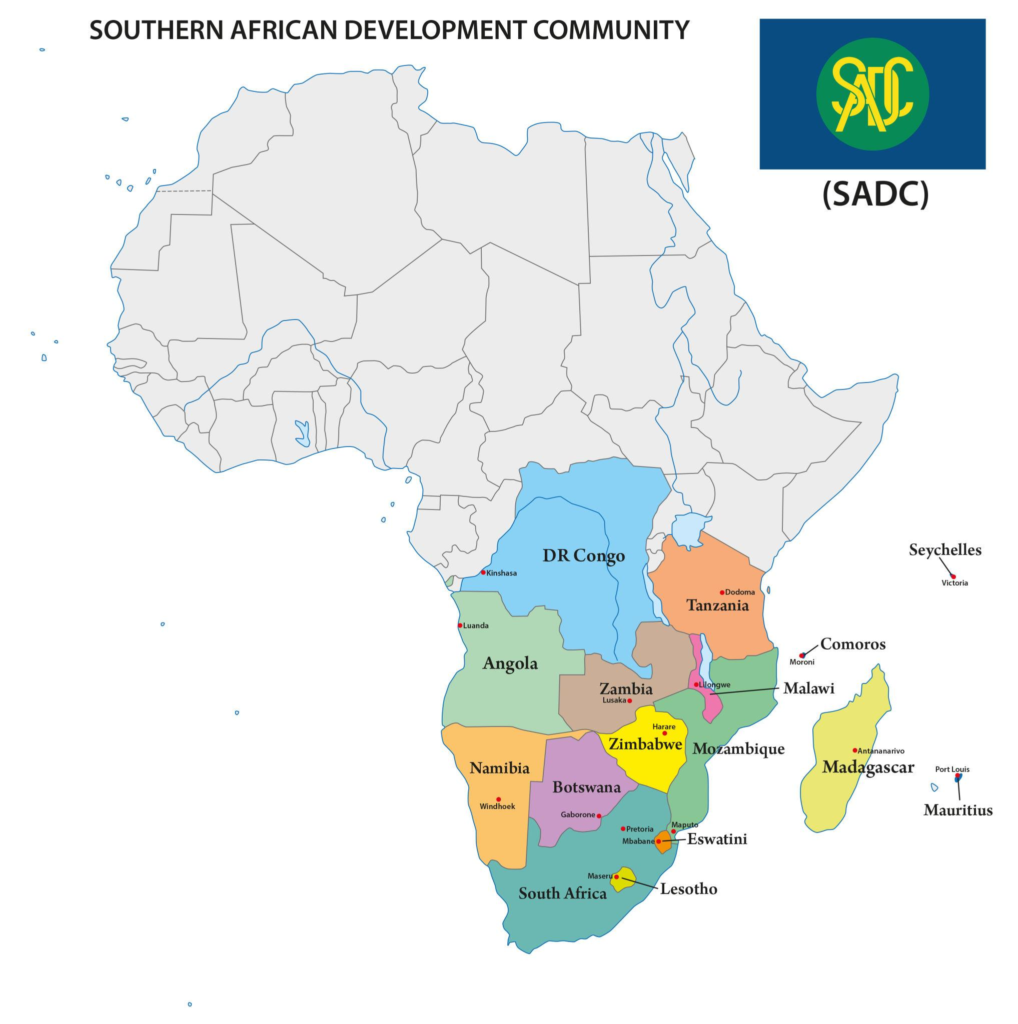
This model also signals a broader shift in regional power dynamics, particularly within frameworks such as the Southern African Development Community. By co-investing in strategic assets, member states are moving toward coordinated energy planning rather than fragmented national strategies. This could pave the way for more integrated energy systems, including shared pipelines, storage facilities, and distribution networks.
From an economic perspective, the Africa energy sovereignty shift enhances value retention within the region. Refining margins, logistics revenues, and downstream profits that were previously captured offshore are now being internalized. This not only strengthens national balance sheets but also supports local industries, job creation, and broader economic resilience.
Sovereign Equity Partnerships Signal New Investment Model
Another critical dimension of the Africa energy sovereignty shift is the emergence of a new investment model centered on sovereign equity partnerships. Unlike traditional infrastructure financing structures, which often rely on external investors or independent power producers, this approach emphasizes shared ownership among African states. The Lobito refinery deal illustrates how governments can pool resources and align interests to develop large-scale infrastructure projects.
This model has significant implications for capital markets. Multi-country ownership structures create diversified demand bases and reduce single-country risk, making projects more attractive to institutional investors. With sovereign alignment and long-term revenue visibility, such platforms offer the kind of stability and scale that global investors seek in emerging markets.
You Might Also Like: E-Commerce Drives Courier Industry Growth in Kenya
The potential applications extend beyond oil refining. Similar structures could be deployed across transmission networks, LNG terminals, and industrial energy hubs, accelerating infrastructure development across the continent. As Africa continues to industrialize, these shared ownership models could become a cornerstone of large-scale project financing.
The Africa energy sovereignty shift ultimately represents more than a change in ownership—it is a redefinition of how the continent approaches development. By retaining control over critical assets and fostering regional collaboration, African nations are laying the foundation for a more self-sufficient and integrated economic future.
If replicated, the Lobito model could become a blueprint for the next generation of infrastructure deals across Africa. And in doing so, it would signal a broader transformation—not just in energy, but in how the continent builds, owns, and benefits from its economic assets.

Previous Post
Next Post