Now Reading: From Lagos to Nairobi: Africa Leads the Next EV Revolution
-
01
From Lagos to Nairobi: Africa Leads the Next EV Revolution
From Lagos to Nairobi: Africa Leads the Next EV Revolution

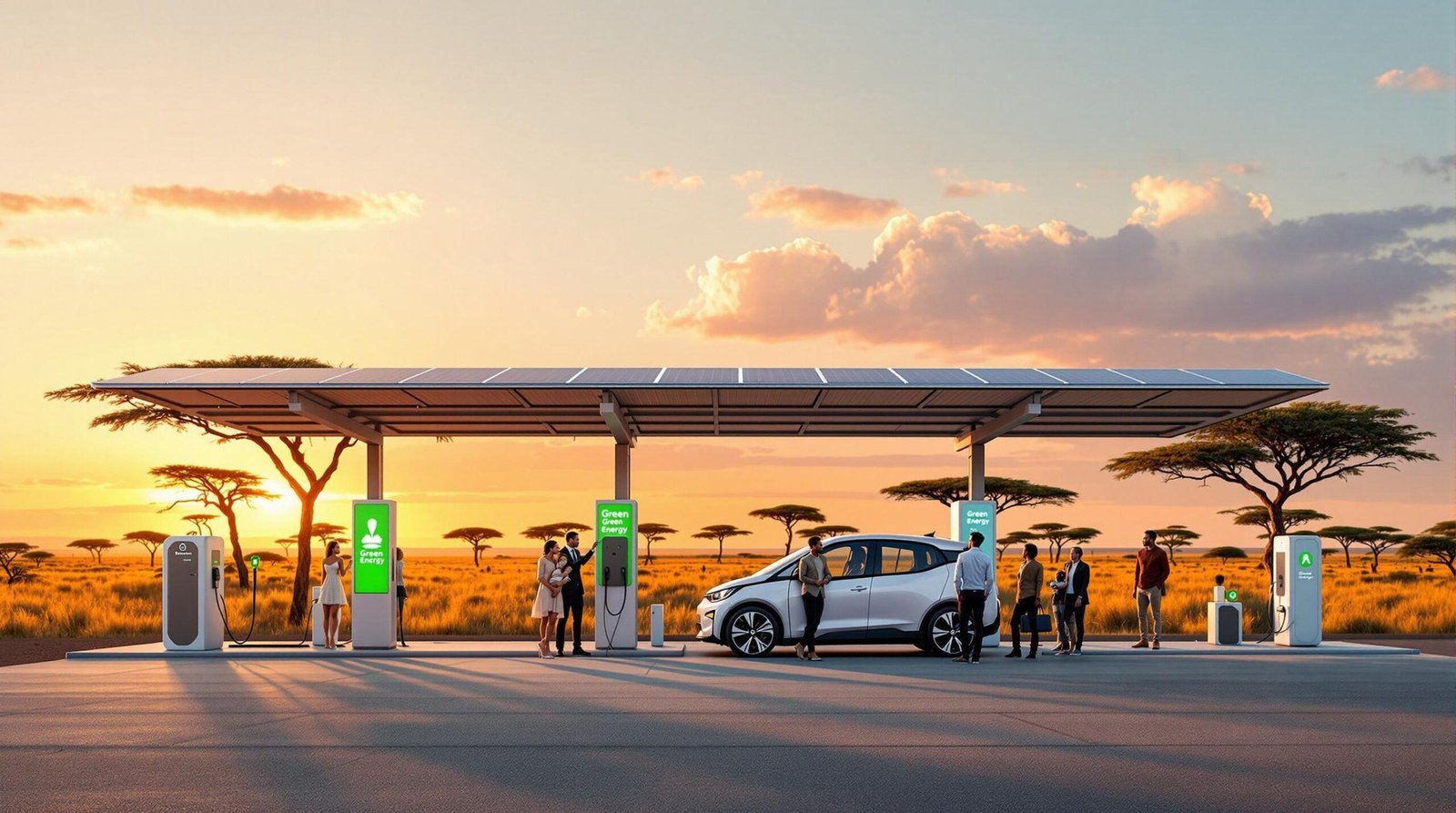

The Africa electric mobility boom is no longer a future projection—it is actively unfolding across the continent’s cities, driven not by global automotive giants but by local startups building solutions tailored to African realities. While global conversations often center around companies like Tesla, the real transformation in Africa is happening in a very different segment of the market. It is not about high-end electric sedans but about practical, cost-efficient mobility solutions designed for daily use. From two-wheelers to buses, African innovators are redefining what electrification looks like by focusing on utility, affordability, and scalability.
At the center of this Africa electric mobility boom is MAX, based in Lagos, which has emerged as a leading force in building an integrated EV ecosystem. With a recent $24 million funding round, MAX is scaling operations across West and Central Africa, combining electric vehicles, battery-swapping infrastructure, IoT fleet management, and driver financing into a unified platform. The company’s achievement of profitability in Nigeria signals a critical turning point, demonstrating that clean mobility in Africa is not just environmentally viable but commercially sustainable.
Africa Electric Mobility Boom Built on Local Manufacturing and Battery Swapping
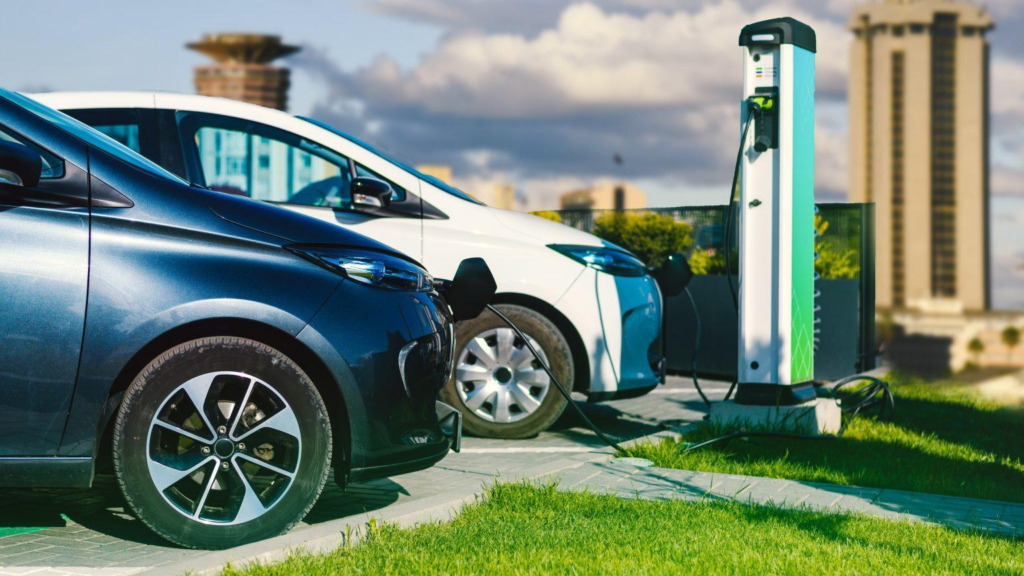
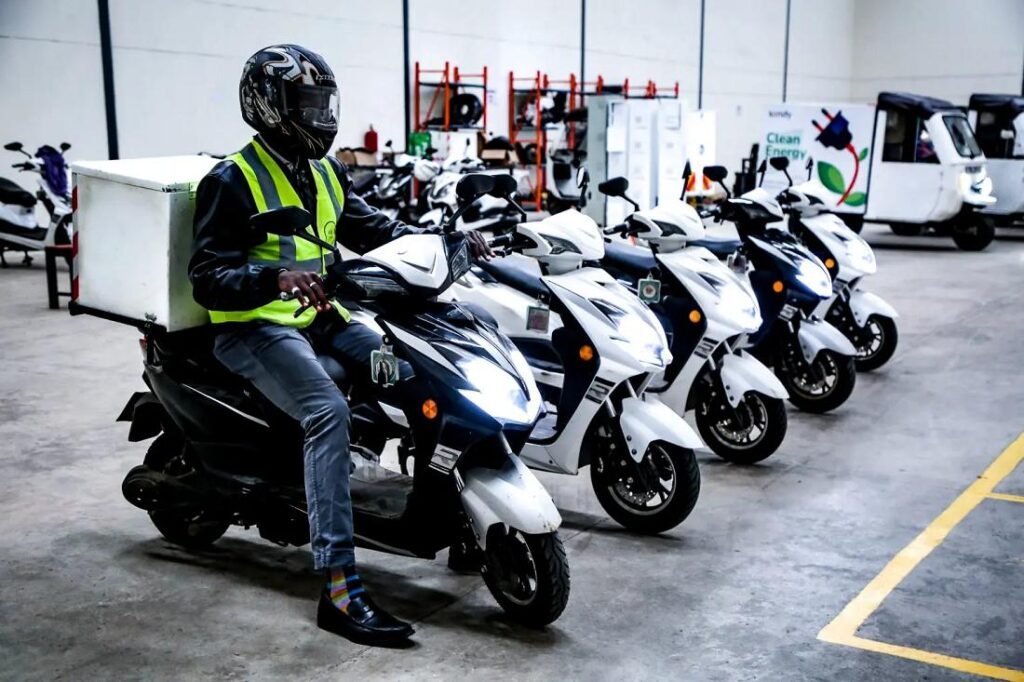
A defining feature of the Africa electric mobility boom is its emphasis on localized solutions rather than imported models. Startups have recognized that electrifying African transport requires more than just introducing EVs—it demands building an entire ecosystem around them. MAX’s approach reflects this understanding, focusing on locally assembled vehicles, accessible financing for drivers, and solar-powered battery-swapping stations that reduce downtime and eliminate reliance on inconsistent grid infrastructure.
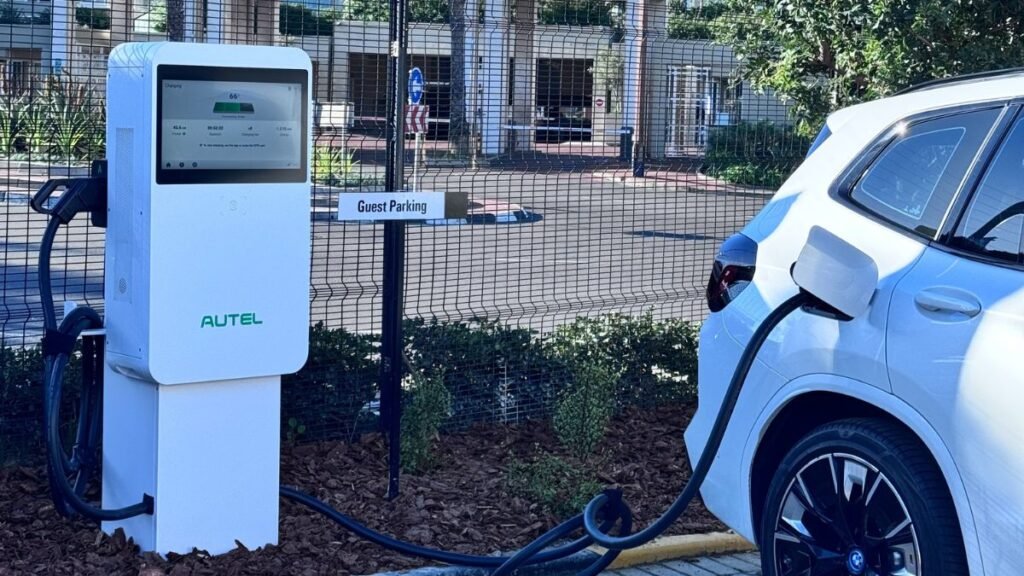
This model addresses one of the biggest barriers to EV adoption: charging time and accessibility. Instead of waiting hours for a vehicle to charge, drivers can swap batteries in minutes, mirroring the convenience of refueling petrol vehicles. This is particularly critical in high-utilization sectors such as motorcycle taxis and delivery services, where time directly translates to income.
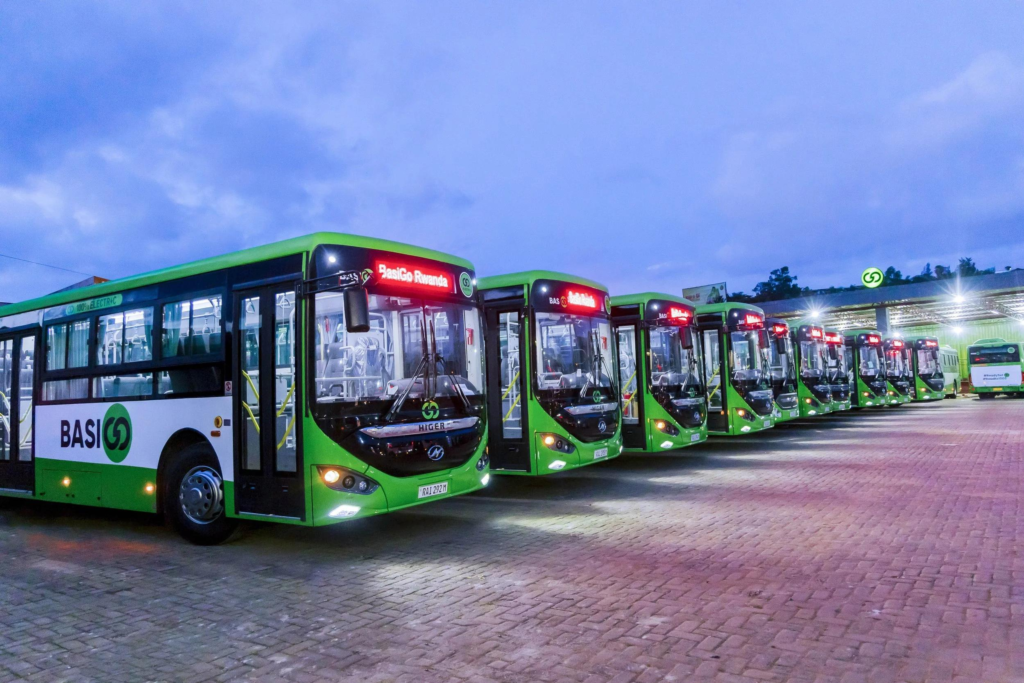
Other players are reinforcing this trend across the continent. BasiGo has secured $42 million to deploy electric buses across East Africa, targeting large-scale urban transport systems. Roam is manufacturing electric motorcycles locally in Nairobi, while Ampersand Energy is building battery-swapping networks in Rwanda. Together, these companies are creating a distributed but rapidly expanding ecosystem that defines the Africa electric mobility boom.
Cost Economics and Energy Independence Fuel Africa Electric Mobility Boom
The economic case for the Africa electric mobility boom is becoming increasingly compelling. In markets like Nigeria, the cost of operating an electric vehicle can be less than half that of petrol-powered alternatives, with estimates showing EV charging costs below 3 naira per kilometer compared to approximately 6 naira for petrol. For drivers covering over 100 kilometers daily, this is not a marginal saving—it is a fundamental shift in operating economics that directly improves profitability.
Beyond individual savings, the broader macroeconomic impact is significant. Rising global oil prices—often exceeding $100 per barrel—mean that every kilometer driven on petrol represents capital leaving the continent. In contrast, electric mobility, particularly when powered by solar energy, retains value within local economies. This shift supports energy independence, reduces foreign exchange pressure, and aligns with broader sustainability goals.
You Might Also Like: BYD EV Battery Breakthrough: Ultra-Fast Charging Technology Could Redefine Global Mobility
MAX’s ambition to reach 250,000 drivers by 2027 and generate over $150 million in annual recurring revenue illustrates the scale of opportunity within the Africa electric mobility boom. More importantly, it highlights the emergence of a new class of infrastructure-driven startups that are not just building products but reshaping entire industries.
As the global auto industry debates the pace of EV adoption, Africa is quietly moving ahead with a model that prioritizes practicality over prestige. The continent’s approach—focused on two- and three-wheelers, shared mobility, and integrated energy systems—may ultimately prove more scalable and impactful than traditional Western models.
The Africa electric mobility boom is therefore not just about transportation. It is about redefining energy use, enabling economic inclusion, and building locally relevant solutions at scale. If current trends continue, the company that puts one million electric vehicles on African roads is unlikely to come from Detroit or Shanghai—but from cities like Lagos, Nairobi, or Kigali, where the future of mobility is already being built.
Related Posts
Previous Post
Next Post