Now Reading: Roam Air Gen 3 Launch Boosts Electric Motorcycle Innovation in Kenya
-
01
Roam Air Gen 3 Launch Boosts Electric Motorcycle Innovation in Kenya
Roam Air Gen 3 Launch Boosts Electric Motorcycle Innovation in Kenya

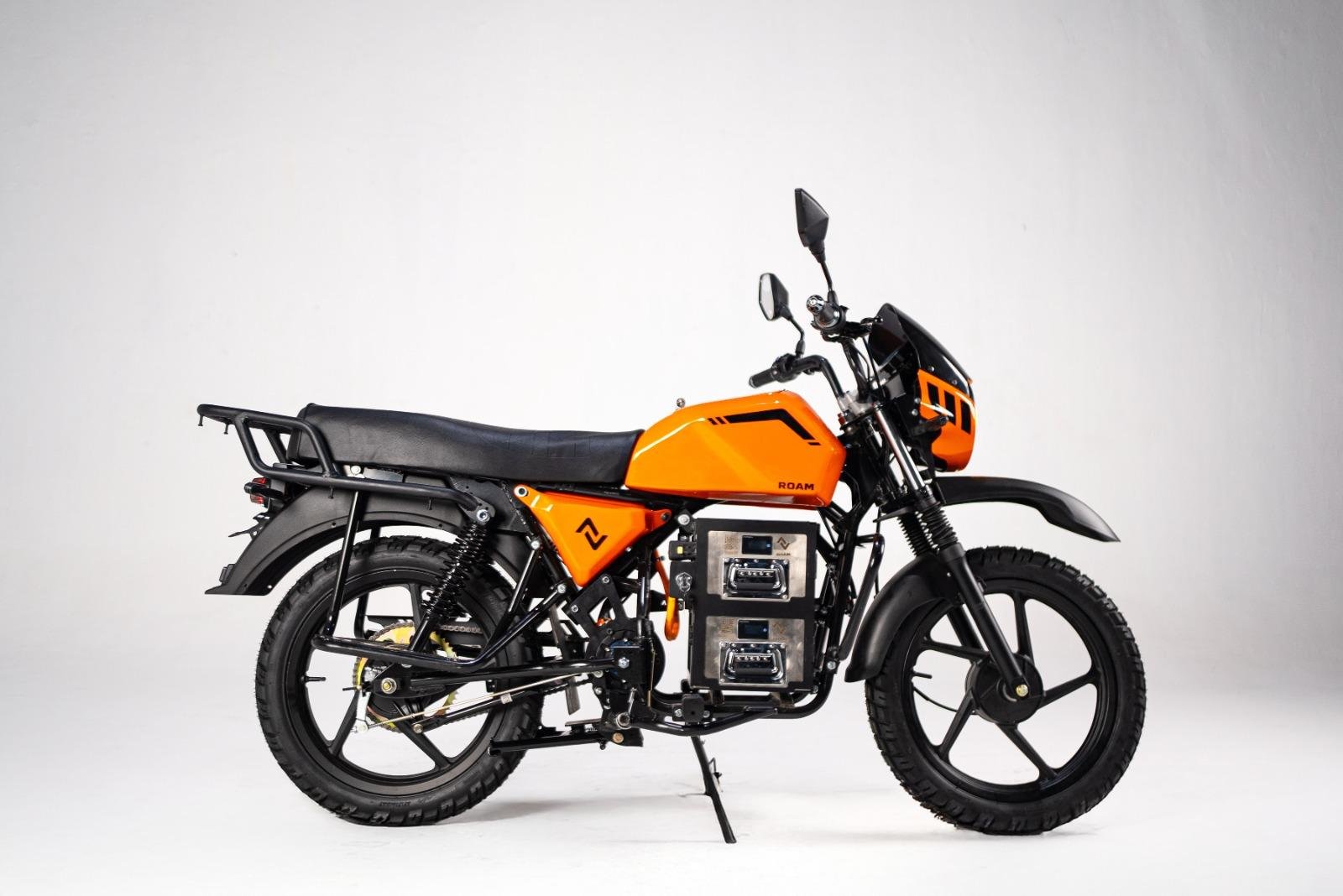

The electric motorcycle innovation wave in Kenya is gaining momentum with the launch of the Roam Air Gen 3, a next-generation electric motorcycle designed specifically for Africa’s demanding transport environment. Developed by Roam—recognized among the fastest-growing electric mobility companies globally—the new model represents a significant leap forward in performance, durability, and rider-focused economics. As electric mobility continues to reshape last-mile logistics across cities like Nairobi, innovations such as the Roam Air Gen 3 are addressing the practical challenges that have historically slowed adoption, including charging time, battery reliability, and operational durability.
This latest development underscores a broader trend within the electric motorcycle innovation space in Kenya: the shift from early-stage experimentation to mature, market-ready solutions built for scale. Rather than adapting global EV models, companies like Roam are engineering products specifically for local conditions, ensuring that electric motorcycles are not just viable but superior to traditional alternatives in real-world use.
Electric Motorcycle Innovation Focuses on Battery Technology and Charging Efficiency
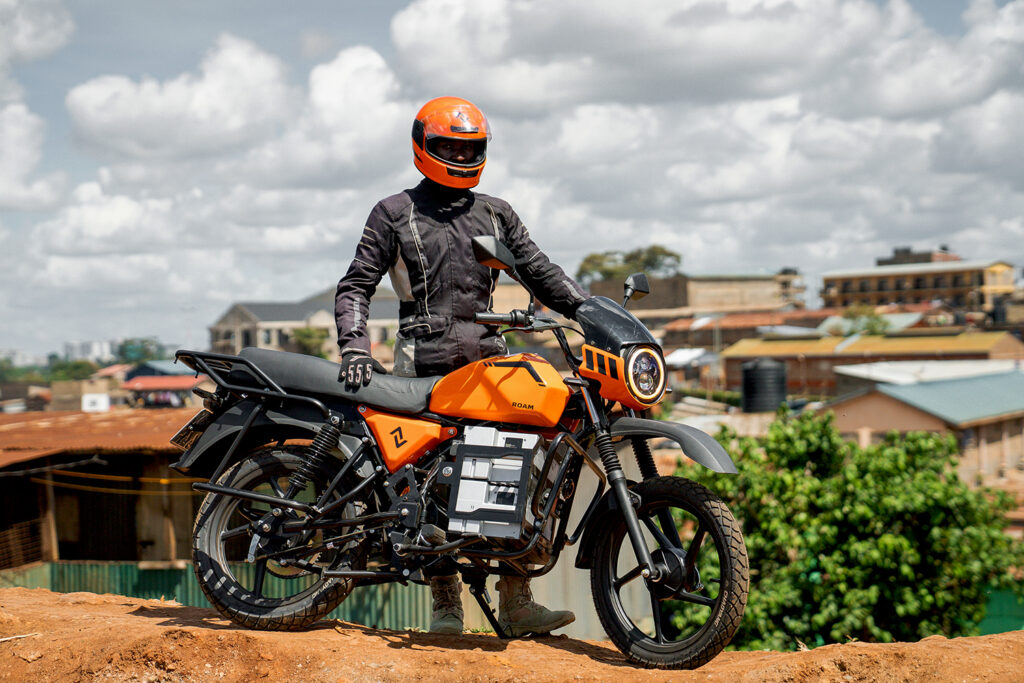
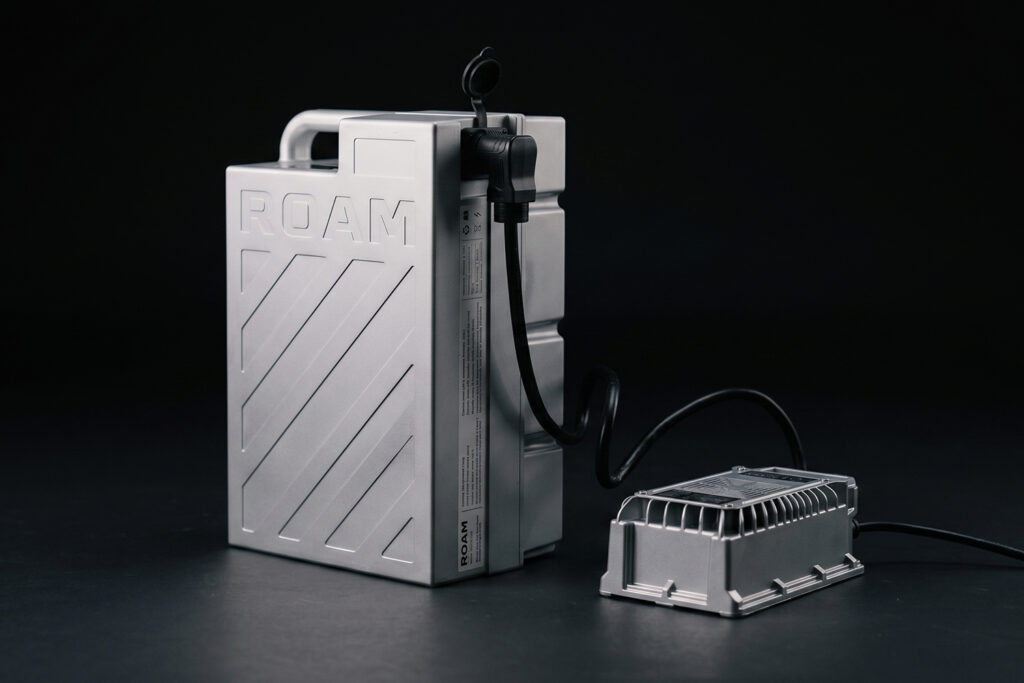
At the core of Kenya’s electric motorcycle innovation behind the Roam Air Gen 3 is its advanced battery system, which introduces a new level of performance and reliability. The battery is fully submersible, a critical feature in regions where flooding and unpredictable weather conditions can impact vehicle performance. It is also app-trackable with integrated anti-theft functionality, addressing one of the key concerns for riders operating in high-risk environments.
Charging efficiency marks another major breakthrough. The Roam Air Gen 3 delivers more than one kilometer of range per minute of charging, allowing the battery to move from 20% to 80% capacity in under 40 minutes. With a full range of approximately 80 kilometers, the motorcycle is well-suited for daily urban operations, particularly in delivery and ride-hailing sectors where consistent uptime is essential.
Equally important is the battery’s longevity, backed by a 100,000-kilometer guarantee. This significantly reduces long-term ownership costs and provides riders with greater confidence in transitioning from petrol-powered bikes. By addressing both performance and durability, the electric motorcycle innovation seen in the Roam Air Gen 3 strengthens the economic case for electrification in Kenya.
Durability and Rider Economics Drive Electric Motorcycle Innovation and Adoption
Beyond battery performance, the electric motorcycle innovation embodied in the Roam Air Gen 3 extends to its structural design. The motorcycle features a reinforced chassis capable of handling up to 200,000 duty cycles under a 250-kilogram load. This level of durability is essential for boda boda operators and delivery riders who rely on their vehicles for daily income in often challenging road conditions.
According to Habib Lukaya, the design philosophy behind the Roam Air Gen 3 is rooted in solving real-world problems faced by riders. From reducing charging times to enhancing security and ensuring resilience on rough terrain, every feature is aimed at maximizing uptime and minimizing costs. This directly translates into higher daily earnings for riders, making electric motorcycles not just an environmental choice but a financially compelling one.
You Might Also Like: Electric Motorcycles Transform Last-Mile Delivery in Kenya
The broader implication of this innovation is the acceleration of electric mobility adoption across the country. As technology improves and infrastructure expands, the barriers that once limited EV uptake are rapidly diminishing. Products like the Roam Air Gen 3 are helping to shift perceptions, demonstrating that electric motorcycles can outperform traditional bikes in both efficiency and reliability.
As the sector continues to evolve, the focus is increasingly on delivering solutions that align with the economic realities of riders and businesses. In this context, Kenya’s electric motorcycle innovation movement is not just about introducing new technology—it is about redefining the economics of mobility and creating a more sustainable, profitable future for the transport industry.
Previous Post
Next Post