Now Reading: Africa’s Aviation Growth Signals New Era for Travel and Trade
-
01
Africa’s Aviation Growth Signals New Era for Travel and Trade
Africa’s Aviation Growth Signals New Era for Travel and Trade



Africa’s aviation growth is reshaping the continent’s role in global travel and trade, as airlines expand capacity, passenger demand climbs, and new hubs emerge across key cities. Early 2026 data shows African carriers recording 11.7% passenger growth—outpacing global averages—while air cargo demand surged by more than 18%, the fastest rate worldwide. At the same time, international seat capacity increased nearly 19% year-on-year, pointing to a structural shift that is positioning Africa as a critical bridge between continents. This Africa’s aviation growth is not just about numbers; it reflects a deeper transformation in connectivity, infrastructure, and economic opportunity.
For the tourism sector, the implications are immediate and far-reaching. Aviation is no longer a supporting component of travel—it is the foundation upon which Africa’s expanding tourism economy is being built. Improved connectivity is unlocking previously hard-to-reach destinations, driving demand for high-value travel experiences, and enabling more seamless movement across borders.
Africa’s Aviation Growth Powers Tourism Expansion and Market Access
Africa’s aviation growth is playing a central role in accelerating tourism across the continent. Increased flight frequencies and expanded routes are making it easier for international and regional travelers to access diverse destinations, from safari circuits to coastal retreats. This improved accessibility is fueling demand for premium travel segments, including luxury tourism, eco-tourism, and multi-country itineraries that were previously constrained by limited connectivity.
As airlines scale operations, the tourism value chain is benefiting from increased visitor flows, higher occupancy rates, and greater investment in hospitality infrastructure. Countries that were once considered secondary destinations are now gaining visibility, as improved air links reduce travel time and enhance convenience. Africa’s aviation growth is therefore acting as a catalyst for broader economic activity, supporting jobs, foreign exchange earnings, and regional development.
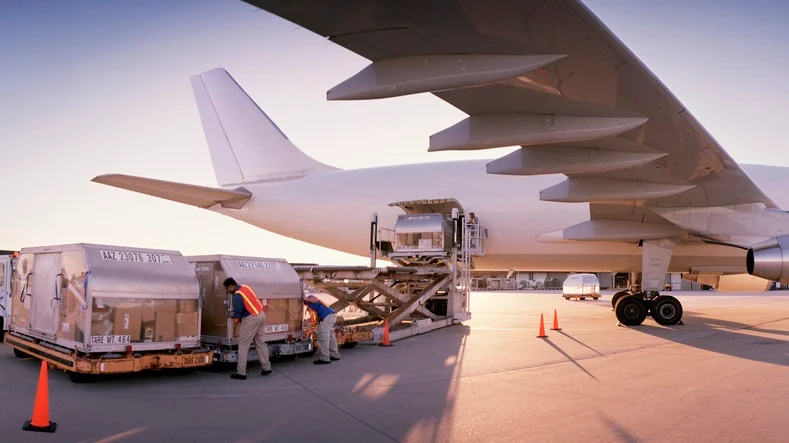
Cargo growth further strengthens this dynamic. With air freight demand rising sharply, businesses are gaining faster access to global markets, particularly for high-value and time-sensitive goods. This is especially significant for sectors such as horticulture, pharmaceuticals, and e-commerce, where speed and reliability are critical.
Strategic Hubs Drive Africa’s Aviation Growth Across Key Cities
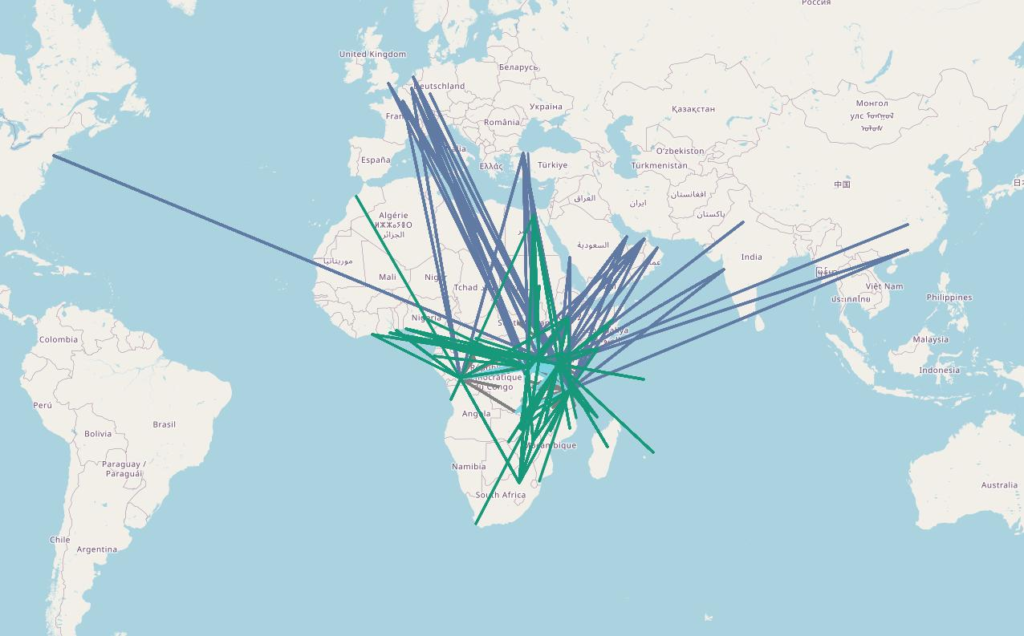
A defining feature of Africa’s aviation growth is the emergence of new-generation aviation hubs that are redefining how passengers move across the continent. Cities like Addis Ababa, Nairobi, and Johannesburg are rapidly establishing themselves as strategic gateways, supported by expanding airline networks and favorable geographic positioning.
These hubs are not only facilitating intra-African connectivity but also strengthening links between Africa and global markets in Europe, Asia, and the Middle East. By concentrating traffic through well-connected nodes, airlines are improving efficiency, increasing route viability, and enhancing the overall travel experience. This hub-and-spoke model is enabling more passengers to transit seamlessly across multiple destinations, reinforcing Africa’s position in global aviation networks.
You Might Also Like: Regional Power Play: Angola, Botswana, and Zambia Redefine Energy Ownership
Africa’s aviation growth also reflects long-term investment in fleet modernization, airport infrastructure, and policy support. Governments and industry stakeholders are increasingly recognizing aviation as a driver of economic diversification, rather than merely a transport service. This shift in perspective is helping to sustain growth momentum and attract further investment into the sector.
Despite ongoing challenges—including thin profit margins and infrastructure gaps in some regions—the trajectory remains strong. With the African aviation market projected to grow steadily over the coming decades, the current surge represents an inflection point. The continent is not just participating in global aviation growth; it is becoming a key contributor to it.
Related Posts

Previous Post
Next Post