Now Reading: Tomato Prices Rise Sharply Across Kenyan Markets
-
01
Tomato Prices Rise Sharply Across Kenyan Markets

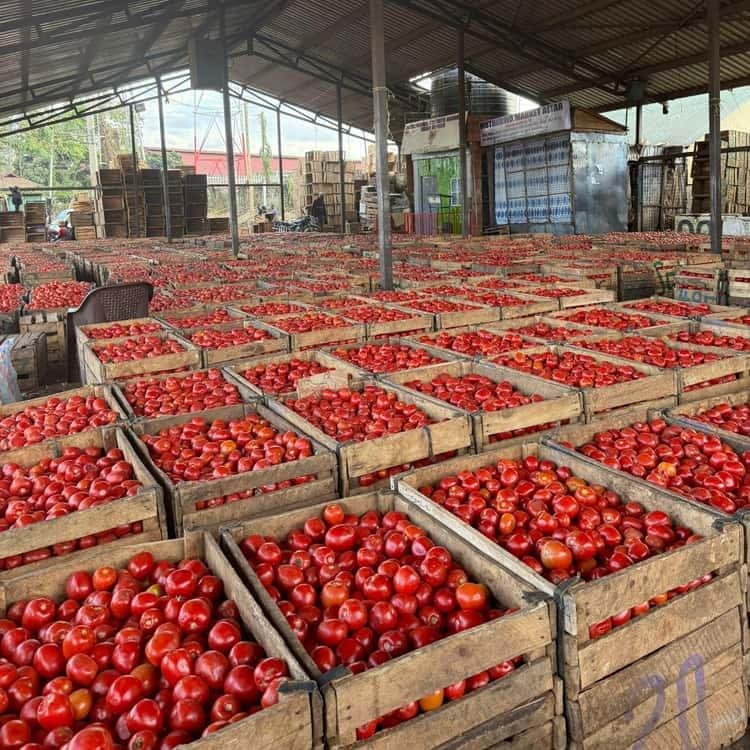

Tomato price surge in Kenya is intensifying pressure on household budgets as one of the country’s most widely consumed food items becomes increasingly expensive. Across major markets, consumers are facing sharp price increases driven by supply shortages and seasonal disruptions. For many families, tomatoes are a staple ingredient, meaning the rising costs are quickly translating into higher daily food expenses. As the tomato price surge continues, it is also highlighting broader concerns about food inflation and supply chain vulnerabilities in the agricultural sector.
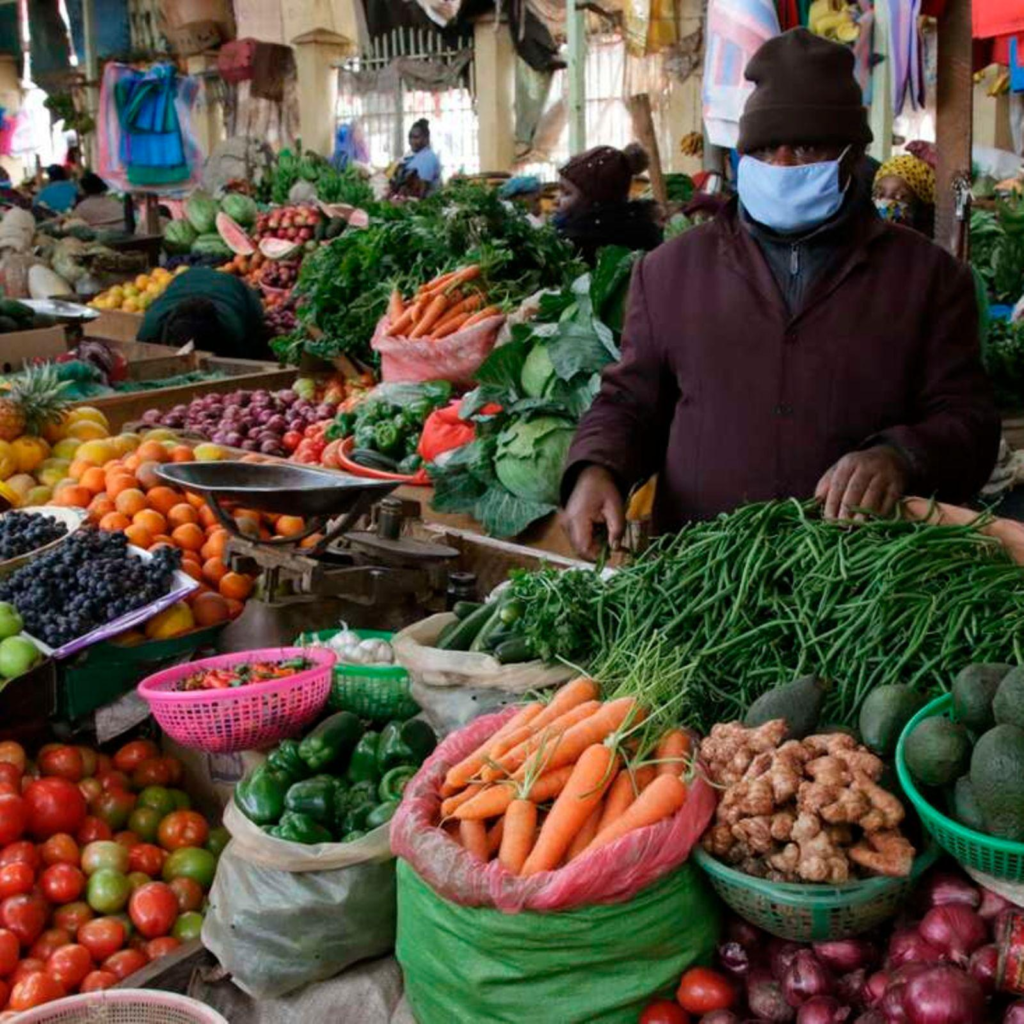
Tomato Price Surge Driven by Supply Constraints and Seasonal Shifts
The tomato price surge in Kenya is largely being driven by reduced supply linked to seasonal production cycles and adverse weather conditions. In key growing regions, inconsistent rainfall and rising input costs have affected yields, limiting the volume of tomatoes reaching markets.
As supply tightens, traders are forced to increase prices to maintain margins, passing the cost burden on to consumers. This dynamic is particularly visible in urban centers, where demand remains high but supply chains are more sensitive to disruptions.
Agricultural stakeholders, including the Agriculture and Food Authority, have noted that fluctuations in production are a recurring challenge in the horticulture sector. Without adequate storage, irrigation, and post-harvest infrastructure, supply tends to vary significantly across seasons.
The tomato price surge in Kenya also reflects structural issues within the agricultural value chain. Limited access to affordable inputs, high transportation costs, and inefficiencies in distribution networks contribute to price volatility, making it difficult to stabilize the market.
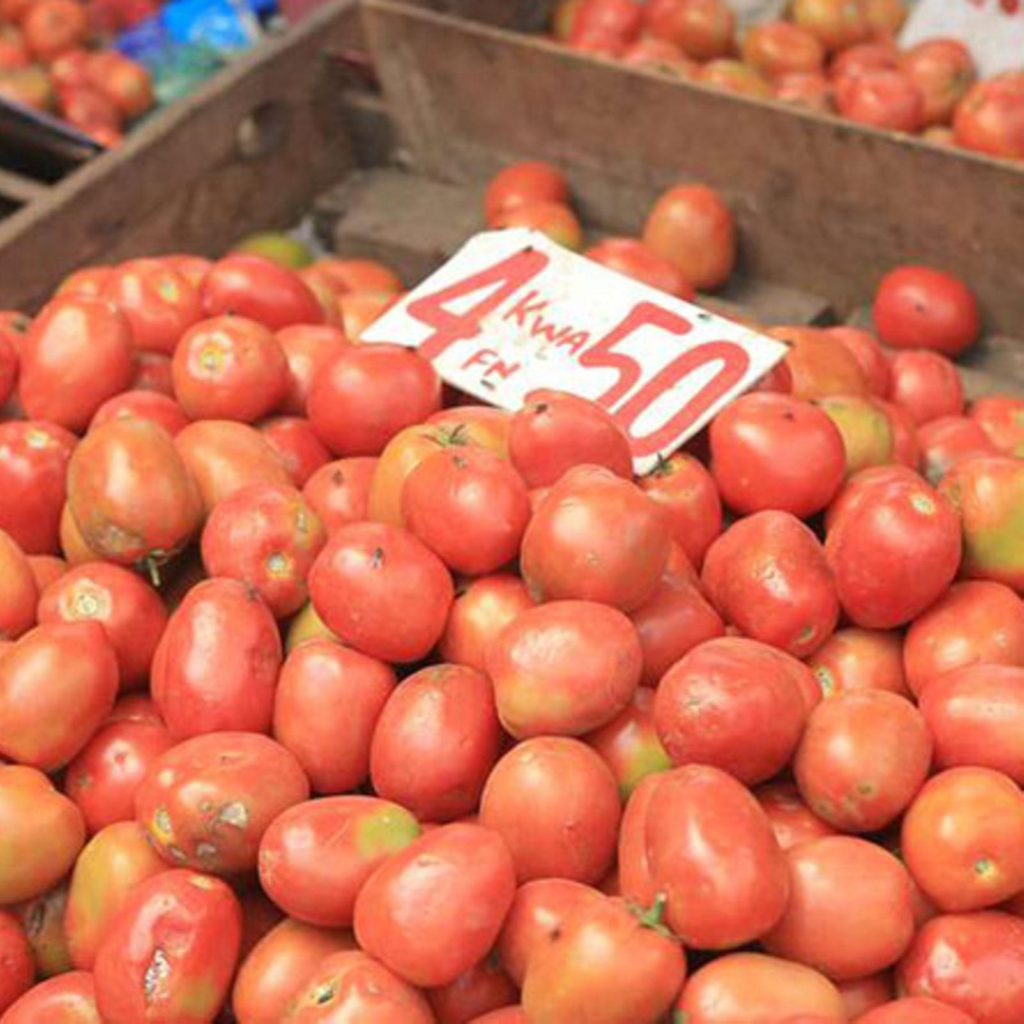
Tomato Price Surge Raises Broader Food Inflation Concerns
Beyond the immediate impact on consumers, the tomato price surge in Kenya is feeding into wider concerns about food inflation and economic stability. As the cost of basic food items rises, households are forced to adjust spending patterns, often reducing consumption or reallocating budgets away from other needs.
For small businesses such as restaurants and food vendors, higher tomato prices translate into increased operating costs. These businesses must either absorb the additional expenses or pass them on to customers, further contributing to inflationary pressures.
You Might Also Like: Kenyan Businesses Eye China Market After Trade Breakthrough
Economic analysts warn that sustained increases in food prices can have ripple effects across the economy, influencing inflation rates and consumer confidence. Institutions like the Central Bank of Kenya closely monitor such trends as part of broader efforts to manage inflation and maintain economic stability.
The tomato price surge also underscores the importance of investing in agricultural resilience. Improving irrigation systems, enhancing storage capacity, and strengthening supply chains could help reduce volatility and ensure more consistent availability of key food items.
Ultimately, the current price spike serves as a reminder of how vulnerable food systems can be to environmental and structural challenges. Addressing these issues will be critical to stabilizing prices and protecting consumers from future shocks.

Previous Post
Next Post