
Now Reading: Emirates raises the stakes in Kenya’s aviation market
-
01
Emirates raises the stakes in Kenya’s aviation market

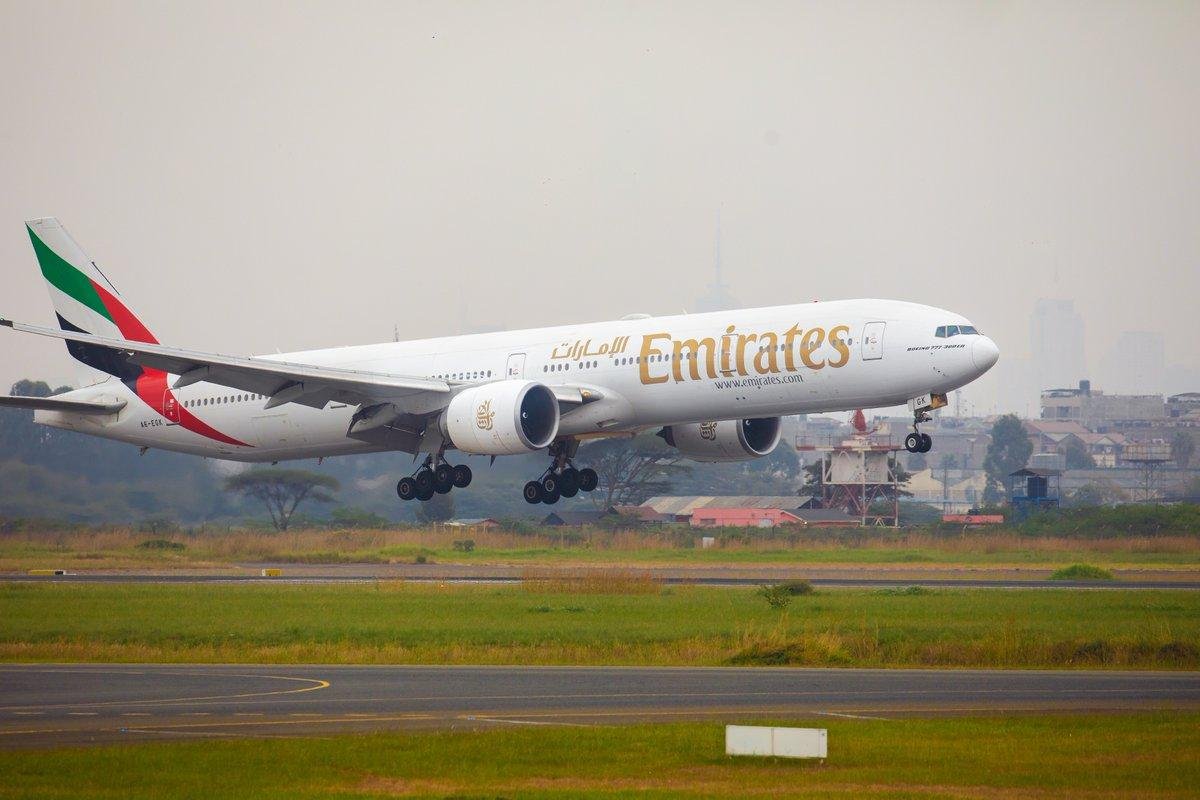

Kenya’s aviation market is becoming a more important battleground for global airlines, and Emirates is signaling that it intends to compete for more of the region’s premium and connecting traffic. Emirates flights to Kenya will receive a major upgrade from October 25, when the Dubai-based carrier introduces its Airbus A350 on the Nairobi route, bringing Premium Economy to Kenyan travellers for the first time. The move follows Emirates’ decision to add a third daily Dubai-Nairobi service in July, taking the route to 21 flights a week. For Kenya, the investment points to a broader contest over who controls the passenger flows linking East Africa with Europe, the United States, Asia, and the Middle East.

Emirates flights to Kenya target East Africa’s premium travel market
The Airbus A350 will operate flights EK717 and EK718 between Dubai and Nairobi, making the Kenyan capital the 32nd destination in Emirates’ A350 network. The aircraft has 298 seats across Business, Premium Economy, and Economy cabins, giving Emirates a new way to segment the market rather than relying primarily on the traditional gap between Economy and Business Class.
For passengers, the most significant change is Premium Economy. The cabin is designed to capture travellers who want greater comfort and space without paying Business Class fares. That creates another pricing tier for Emirates while potentially broadening its appeal among corporate travellers, tourists, and other passengers willing to pay more for a better experience.
The timing is significant. Emirates already increased capacity on the route with its third daily flight in July, strengthening connections through Dubai to destinations across Europe and beyond. The airline says the additional service also improves onward connections to markets including the UK, France, Belgium, Spain, Italy, and Portugal.
The strategy places pressure on competing carriers serving East Africa, particularly those using Addis Ababa, Doha, Istanbul, and other hubs to connect passengers to international destinations.
For Emirates flights to Kenya, the objective is therefore bigger than offering a newer aircraft. It is about strengthening Dubai’s position as a gateway for East African travellers.
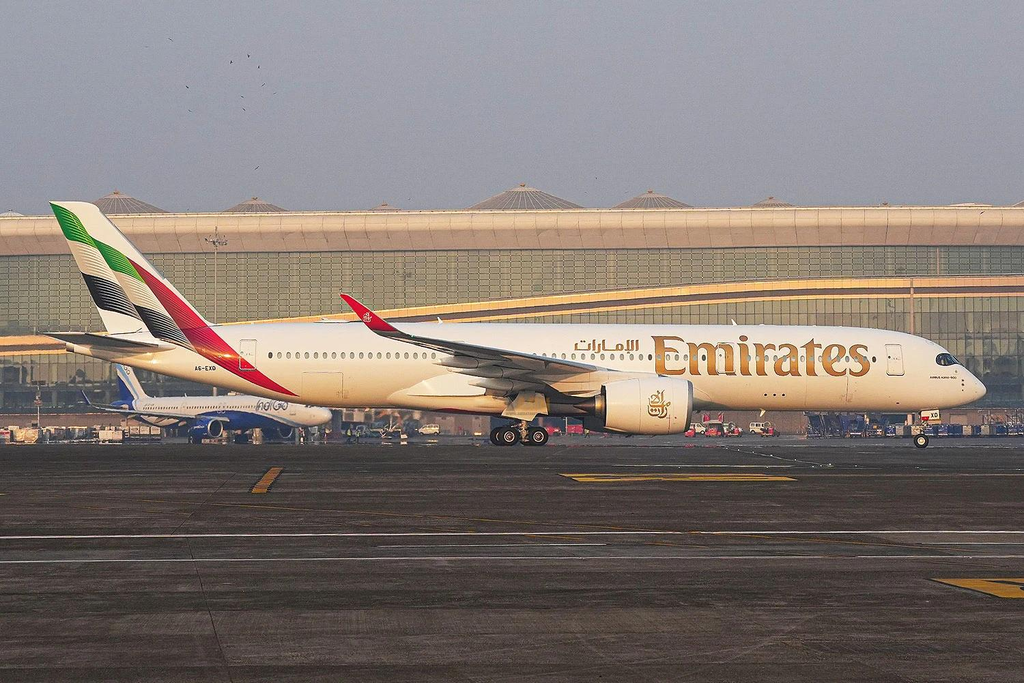
Emirates flights to Kenya could reshape competition for regional passengers
The commercial implications extend beyond the aircraft itself. Airlines compete not only on fares but also on schedules, connections, aircraft quality, and the ability to move passengers efficiently through major hubs.
That makes Nairobi strategically valuable. Kenya is one of East Africa’s major tourism and business centers, while its location gives international airlines access to passengers travelling from neighboring markets.
Emirates’ expansion also comes as African aviation faces pressure from rising operating costs and intense competition for profitable passengers. Offering Premium Economy could allow the carrier to capture additional revenue from customers who might otherwise remain in Economy while reinforcing its appeal to corporate and higher-spending travellers.
See Also: High aviation taxes put Africa’s connectivity ambitions at risk
The move may also force competitors to respond. Airlines that want to retain market share could be pushed to improve cabins, schedules, loyalty programmes, or pricing, potentially giving consumers more choice while intensifying pressure on already-thin industry margins.
For Kenya, the broader economic benefit lies in connectivity. More competitive international air services can support tourism, business travel, trade, and investment, provided increased capacity translates into sustainable demand.
Yet the significance of Emirates flights to Kenya ultimately lies in what happens next. The A350 is not simply a new aircraft arriving at JKIA; it is a signal that global carriers see Nairobi as a market worth investing in and defending.
As East Africa’s aviation industry matures, the winners may be the airlines that can combine capacity, premium products, and powerful global networks.
For travellers, that means more choice.
For airlines, it means the fight for East Africa is becoming considerably more competitive.
Related Posts

Previous Post
Next Post




Pingback: How Kenya can earn more from exports to Germany