Now Reading: Africa Debt Crisis Deepens as Youth Investment Takes a Back Seat
-
01
Africa Debt Crisis Deepens as Youth Investment Takes a Back Seat

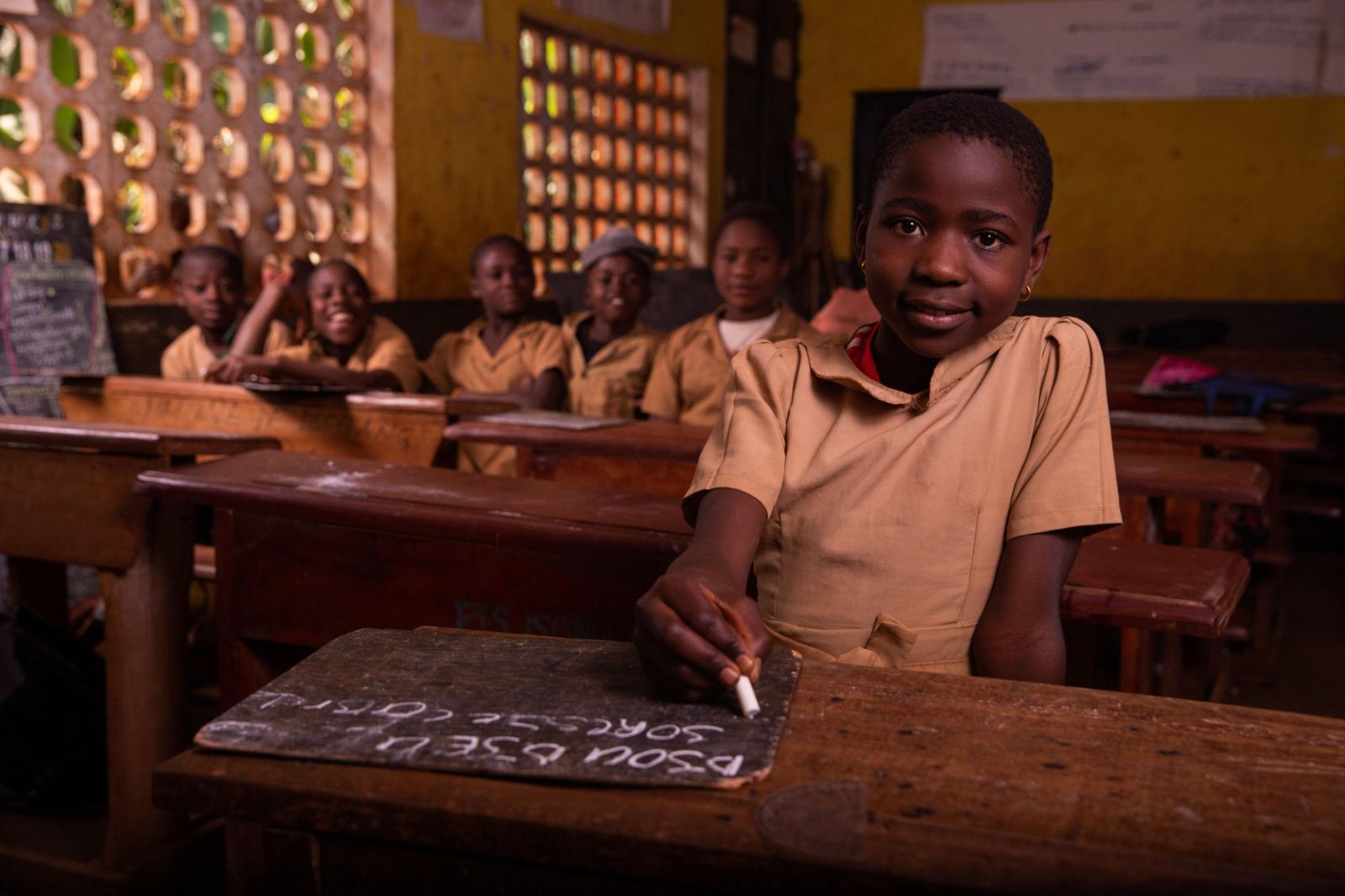

Africa debt crisis is emerging as one of the most significant barriers to long-term economic transformation, with growing concern that it is crowding out critical investment in young populations. A fresh warning from the Commonwealth Secretariat highlights how rising debt servicing costs are diverting resources away from education, skills development, and job creation. As governments across the continent grapple with tightening fiscal space, the Africa public debt crisis is no longer just a macroeconomic issue—it is becoming a defining constraint on future growth. With Africa’s population among the youngest globally, the inability to invest in youth risks creating long-term structural challenges that could slow development for decades.

Africa Debt Crisis Strains Budgets and Limits Youth Investment
The Africa public debt crisis has intensified in recent years, driven by a combination of external borrowing, currency depreciation, and rising global interest rates. Governments that once relied on debt to finance infrastructure and development projects are now allocating a growing share of revenues to debt servicing, leaving less room for social and economic investment.
According to the Commonwealth Secretariat, this shift is having a direct impact on youth-focused spending. Funding that would typically support education systems, vocational training, and employment programs is increasingly being redirected toward meeting repayment obligations. For many countries, this creates a cycle where limited investment in human capital reduces productivity growth, making it even harder to manage debt sustainably.
Institutions such as the International Monetary Fund have also raised concerns about debt sustainability across several African economies, noting that elevated debt levels increase vulnerability to external shocks. When combined with inflationary pressures and currency volatility, governments face difficult trade-offs between maintaining fiscal stability and investing in future growth.
The impact is particularly pronounced in countries with rapidly expanding youth populations. Africa is projected to have the world’s largest workforce in the coming decades, yet without sufficient investment in education and skills, this demographic advantage risks turning into a liability. Analysts warn that the Africa public debt crisis could therefore have far-reaching consequences, not only for economic growth but also for social stability.
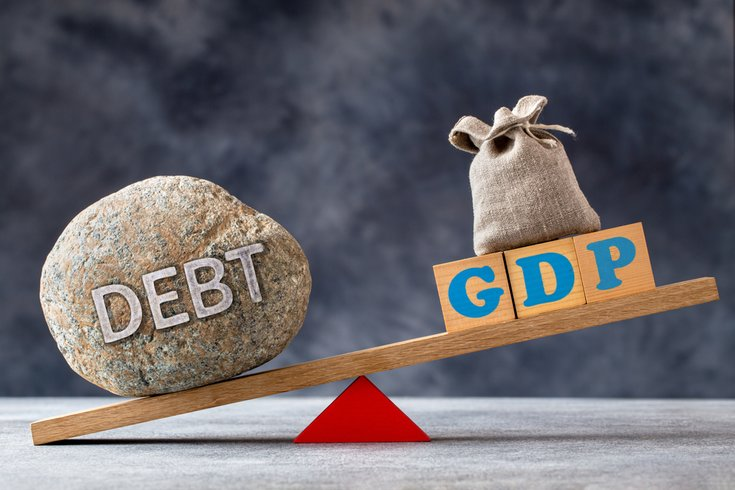
Africa Debt Crisis Raises Urgency for Fiscal Reform and Investment Strategy
Despite the mounting challenges, the Africa public debt crisis is also prompting renewed calls for fiscal reform and more strategic investment approaches. Policymakers are increasingly being urged to improve revenue collection, enhance transparency, and prioritize spending that delivers long-term economic returns.
The World Bank has emphasized the importance of aligning borrowing with productive investments, particularly in sectors that can generate employment and boost economic resilience. This includes renewable energy, digital infrastructure, and industrial development, all of which have the potential to create jobs for young people while supporting broader economic growth.
You Might Also Like: Kenya and Ethiopia Lead Africa’s $20 Billion Foreign Investment Surge
At the same time, there is growing recognition that debt restructuring and international cooperation may be necessary to ease the burden on heavily indebted countries. Initiatives aimed at providing relief or extending repayment timelines could create the fiscal space needed to reinvest in youth and development priorities. However, such measures often come with conditions that require governments to implement structural reforms, which can be politically and economically challenging.
The Africa public debt crisis ultimately underscores a critical balancing act. Governments must manage immediate financial obligations while ensuring that long-term investments are not sacrificed. Failure to strike this balance risks undermining the continent’s growth trajectory at a time when global competition for investment and talent is intensifying.
As the Commonwealth’s warning gains attention, the focus is likely to shift toward how African economies can navigate this complex landscape. The choices made today will determine whether the continent can harness its demographic potential or remain constrained by the weight of rising debt.

Previous Post
Next Post