Now Reading: Auditor-General flags gaps in Ksh19.6bn affordable housing loan
-
01
Auditor-General flags gaps in Ksh19.6bn affordable housing loan

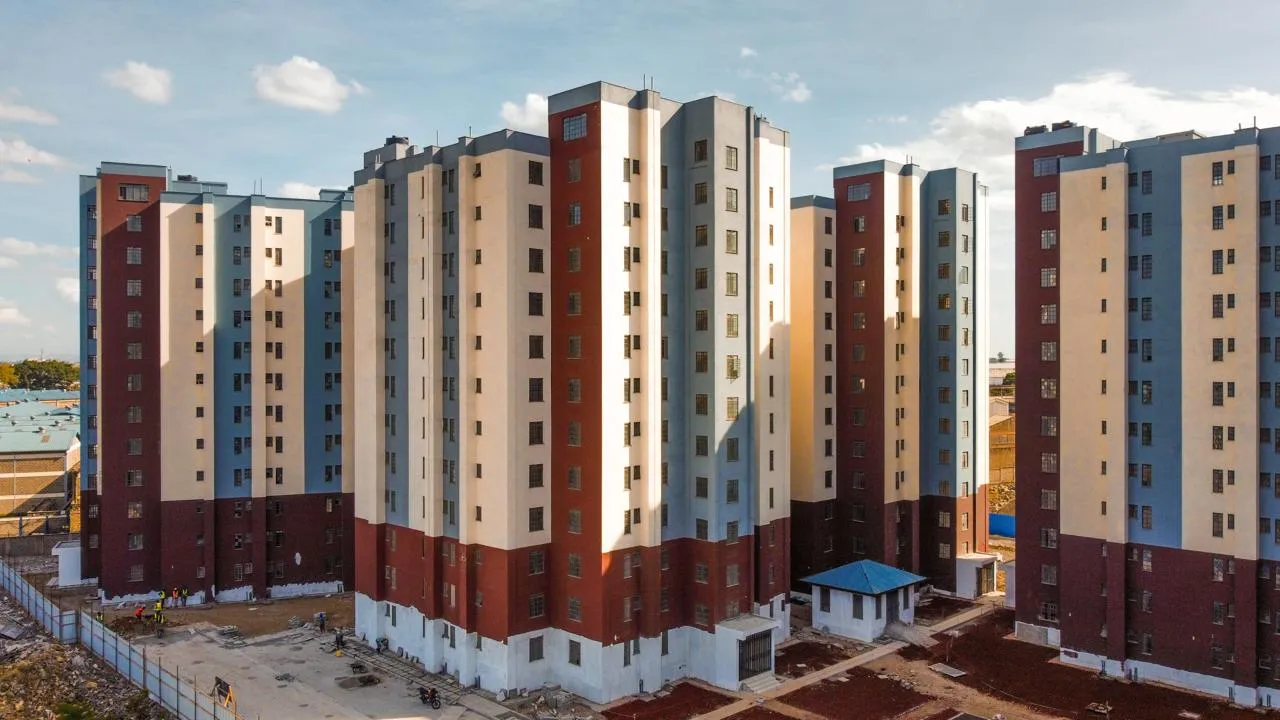

Kenya’s Auditor-General has raised red flags over Ksh19.6 billion meant to support affordable home loans after audit records failed to trace how the funds were utilised, casting new scrutiny on one of the country’s flagship housing finance initiatives.
In a report covering the year ended June 2025, Auditor-General Nancy Gathungu said documents supporting the use and repayment status of the funds were unavailable, making it impossible to confirm whether the money achieved its intended purpose. The funds were part of a World Bank-backed loan extended to the Kenya Mortgage Refinance Company (KMRC) to expand access to long-term, affordable housing finance.
The money originated from the World Bank’s International Bank for Reconstruction and Development (IBRD) under a broader Ksh33.1 billion loan agreement signed in December 2019. The project was designed to provide cheaper, long-term mortgages by refinancing loans issued by banks and savings and credit cooperatives to homebuyers.
According to the audit, by June 30, 2025, a total of Ksh19.62 billion had been disbursed to KMRC. However, the Auditor-General said records required to confirm how the funds were applied, and whether repayment obligations were being met, could not be produced for verification.
Audit raises concerns over oversight and repayments
Under the loan agreement, KMRC was required to begin repaying the principal in 40 semi-annual installments starting March 2024. The audit report notes that repayment schedules and supporting documentation were unavailable, preventing confirmation of compliance with the loan terms.
The Auditor-General further pointed out that KMRC’s financial statements are not audited by her office, limiting independent oversight over the institution’s handling of public and donor funds. As a result, the audit could not establish whether the refinancing program delivered value for money or met its housing affordability objectives.
KMRC has pushed back against the findings. Chief executive Johnstone Olteita said the funds had been used to refinance more than 5,100 mortgages through partner banks and SACCOs, providing borrowers with single-digit, fixed-rate loans over longer tenures. He disputed suggestions that the funds were unaccounted for, arguing that the refinancing outcomes demonstrate utilisation.
The audit also flagged underutilisation of technical assistance funds linked to the project. Of the Ksh725.8 million allocated for consulting, training, and operational support, only about 25 percent had been spent by June 2025. Auditors warned that low absorption could undermine the project’s long-term effectiveness and institutional capacity.
Affordable housing agenda under renewed scrutiny
The findings come at a sensitive time for Kenya’s affordable housing agenda, which has relied heavily on public financing, multilateral loans, and policy-backed institutions to bridge the gap between housing demand and access to credit.
Affordable mortgage finance remains a major constraint in Kenya, where high interest rates and short loan tenures have historically locked out middle- and lower-income earners. KMRC was established to address this challenge by providing lenders with cheaper, long-term funding, allowing them to offer more accessible mortgage products.
However, governance concerns around large public-backed financing schemes have repeatedly attracted scrutiny, particularly where audit trails are weak or incomplete. Analysts say the latest audit underscores the need for stronger transparency, clearer reporting structures, and tighter oversight of institutions handling public and donor-funded resources.
The Treasury and housing authorities are yet to publicly respond to the Auditor-General’s findings. With Parliament expected to review the report, pressure is likely to mount for KMRC and relevant ministries to provide clarity on fund utilisation, repayment status, and project outcomes.
As Kenya continues to lean on multilateral financing to support housing and infrastructure development, the audit has reignited debate over accountability mechanisms needed to safeguard public funds and maintain investor confidence.
Related Posts


Previous Post
Next Post