
Africa stablecoin payments could become a foundational layer of the continent’s digital economy, especially as more enterprises adopt blockchain-based financial tools.

Africa stablecoin payments could become a foundational layer of the continent’s digital economy, especially as more enterprises adopt blockchain-based financial tools.
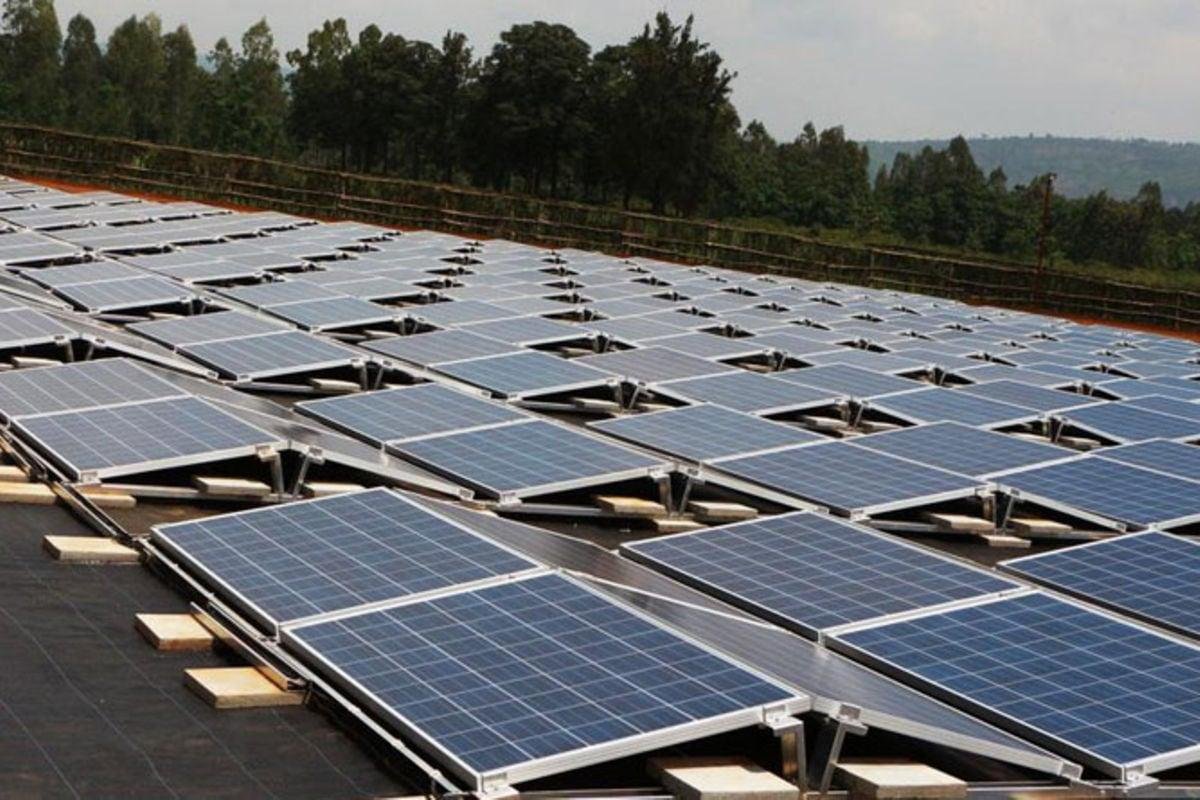
Africa faces a multi-billion-dollar financing gap in renewable infrastructure, despite having some of the world’s most abundant solar, wind, and hydro resources.
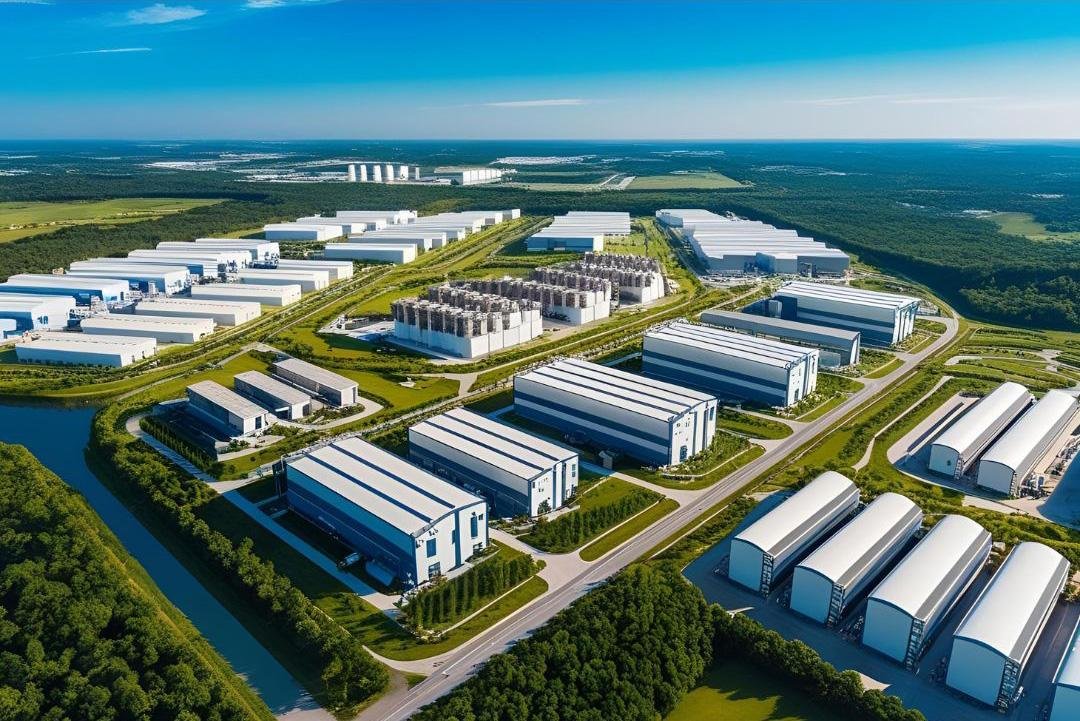
Ethiopia’s population size and labor force as key advantages, positioning it as a long-term industrial powerhouse despite ongoing macroeconomic and political challenges.

Beyond oil, the broader inflationary spillover is becoming increasingly visible.

Automation is equally transformative, particularly in warehousing and port operations.
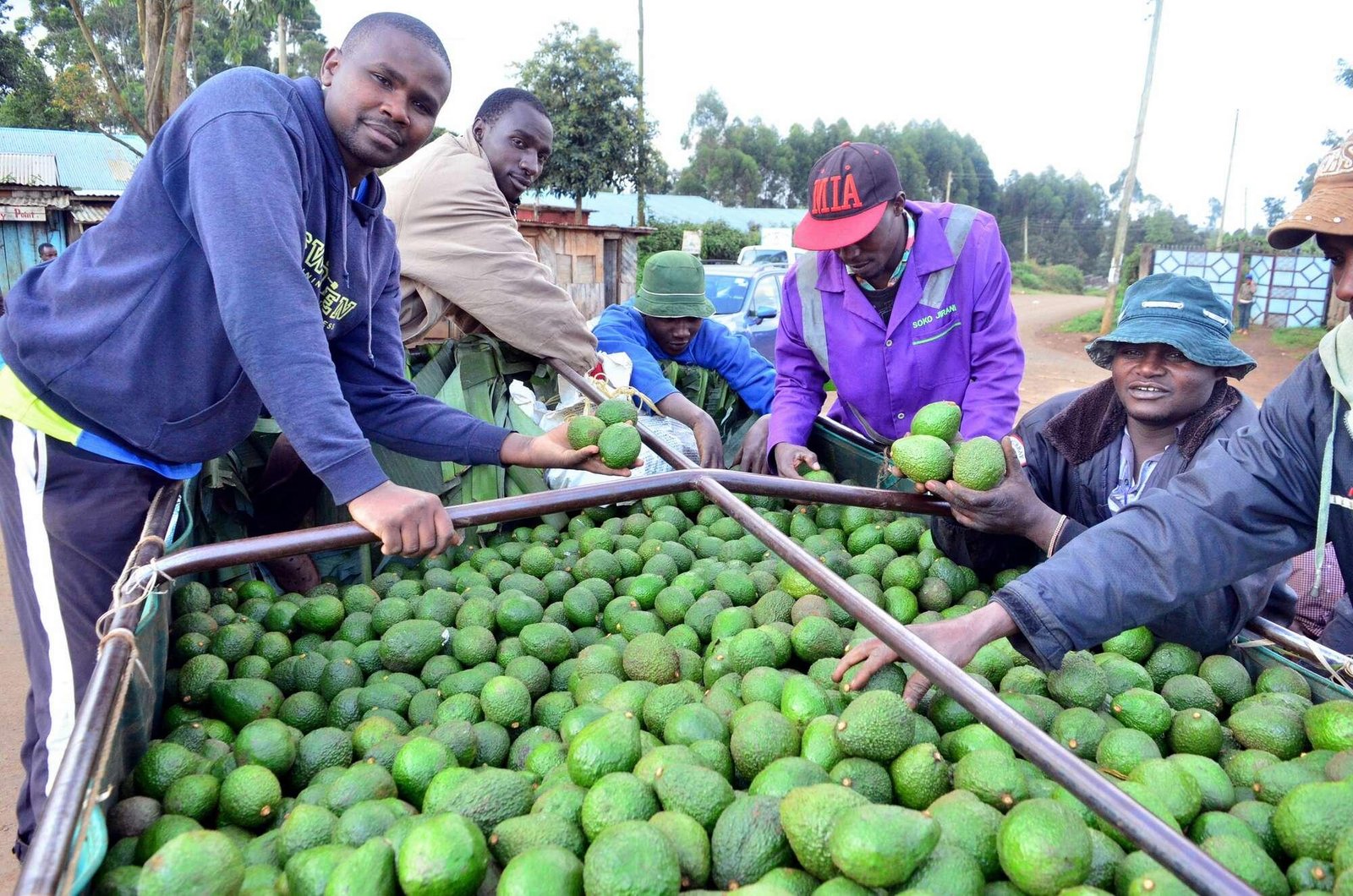
Duty-free policy could also catalyze investment across the agricultural value chain, from cold storage and logistics to processing and packaging.
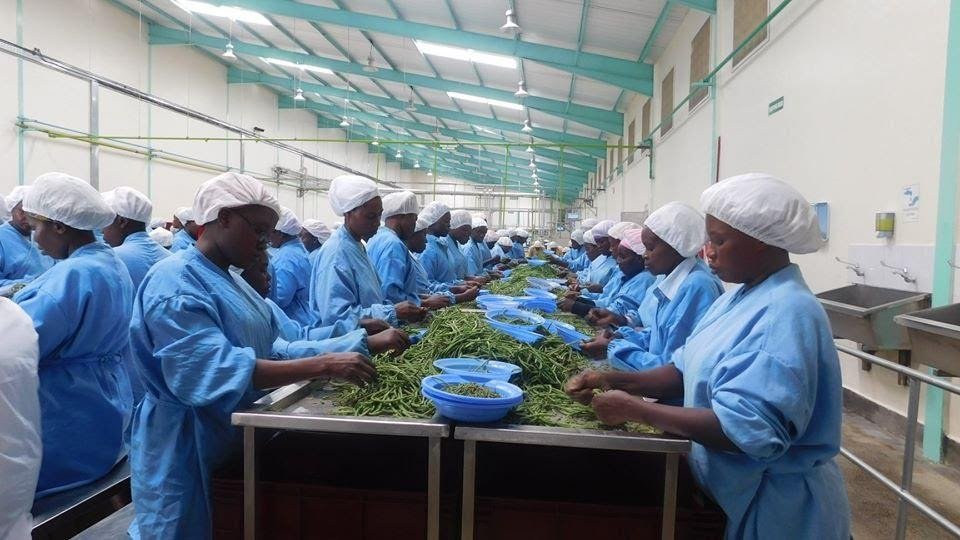
The scale of the ARISE IIP Kenya investment reflects a broader trend of capital flowing into industrial development across Africa.

The evolution of the Kenya creator economy TikTok reflects a broader shift in how technology is shaping business models.

The momentum behind Africa value addition investment suggests that the continent is entering a new phase of economic strategy.

The debate around inclusive growth investment in Africa signals a shift in how success is defined. It is no longer enough to measure investment by capital inflows alone—impact, sustainability, and distribution are becoming equally important metrics.