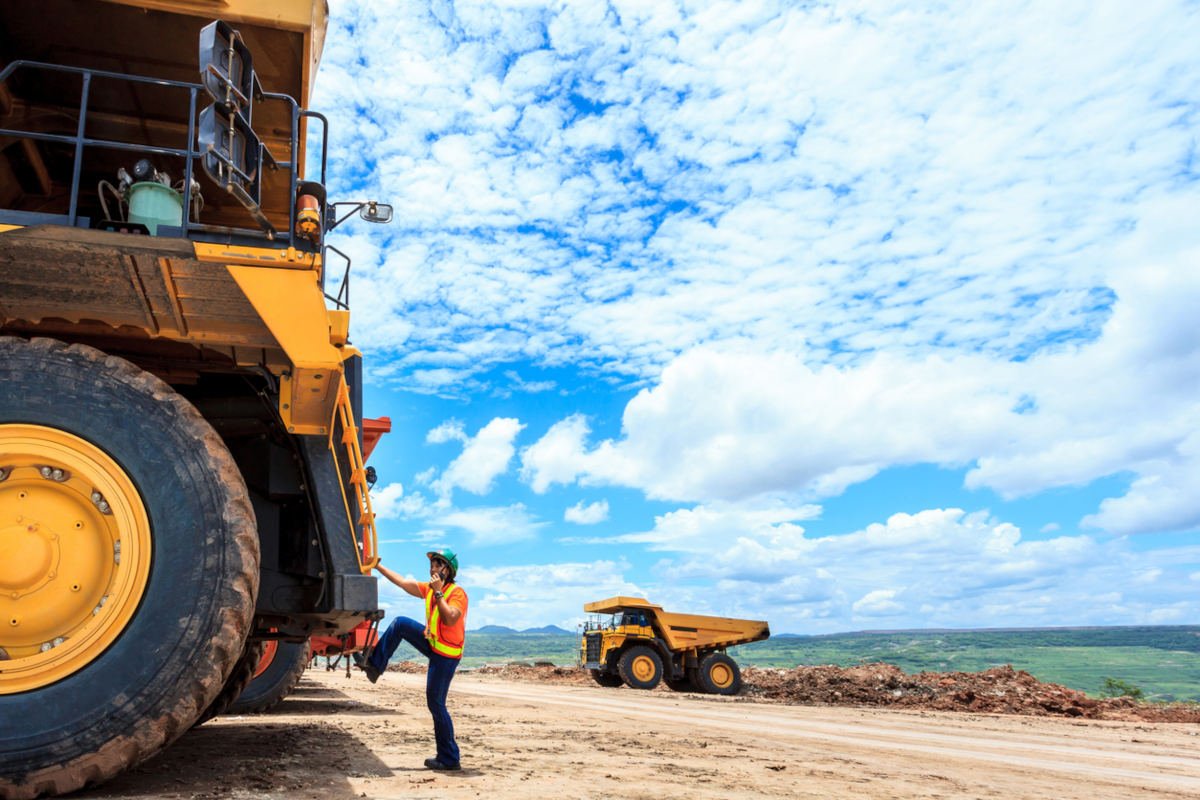
Lindian Resources, an Australian company listed on the ASX, will use the funding to advance the Kangankunde Rare Earths Project, a high-grade deposit expected to begin production in 2026.
Provides authoritative coverage of the forces shaping Kenya’s economic and financial environment. Tracks policy, markets, banking, inflation, and trade to deliver data-driven insights for decision-makers.
With a strong focus on trade and exports, this page offers timely analysis, data-driven insights, and expert perspectives to help business leaders, investors, and decision-makers understand market trends, assess risks, and identify opportunities in Kenya and the wider global economy.
Lindian Resources, an Australian company listed on the ASX, will use the funding to advance the Kangankunde Rare Earths Project, a high-grade deposit expected to begin production in 2026.

The new platform, dubbed Shuru, allows taxpayers to file returns directly through WhatsApp without the need for additional applications or complex login procedures, marking a significant move toward more accessible and user-friendly tax services.

The Consumer Price Index increased from 149.20 in February to 150.00 in March, translating to a monthly inflation rate of 0.5 per cent, while the year-on-year rate stood at 4.4 per cent.
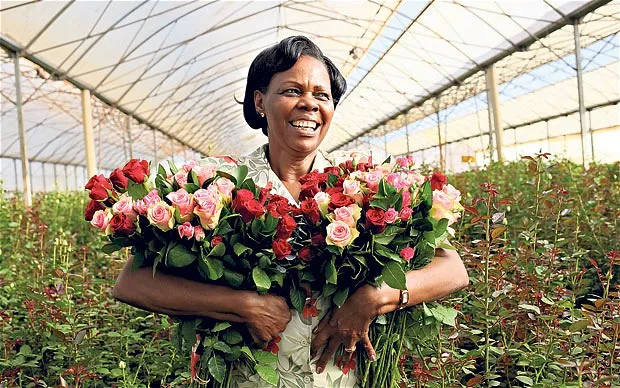
The Kenya Flower Council has warned that the situation is placing severe strain on one of the country’s most important export sectors, with losses already exceeding $4.2 million over the past three weeks due to shipment delays and reduced cargo capacity.
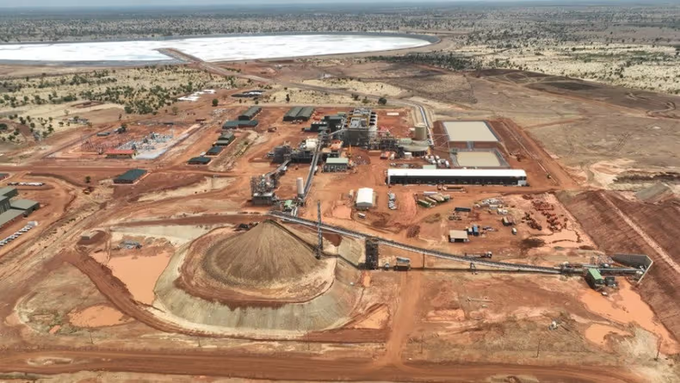
In a gazette notice dated March 24, Mining Cabinet Secretary Ali Hassan Joho invited qualified investors to submit expressions of interest to commercialise deposits of niobium and rare earth elements, minerals essential for advanced electronics, clean energy technologies, and defence systems.
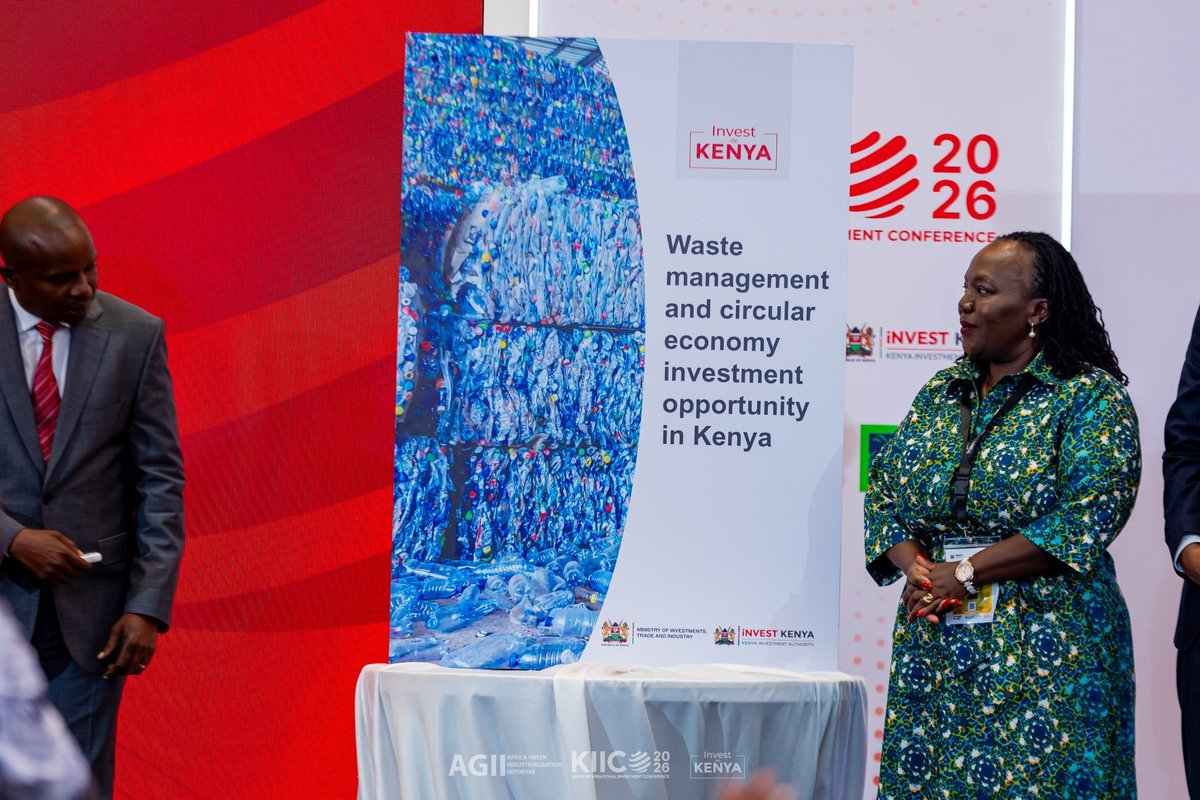
Launched at the Kenya International Investment Conference (KIICO), the blueprint sets out a targeted strategy to attract private capital into waste management and circular economy value chains, reframing discarded materials as inputs for industrial growth rather than environmental liabilities.

Equity risk premiums, the additional returns investors demand to compensate for country-specific risks, range from as low as 4–5% in stable economies to over 30% in the most volatile markets.
According to recent rankings and business environment assessments, countries that reduce regulatory friction, improve governance, and strengthen financial systems are emerging as the most attractive destinations for capital.

The fund introduces a three-account model that separates resource revenues into distinct components: Stabilisation, Strategic Infrastructure Investment, and Future Generations, each with a specific economic role.
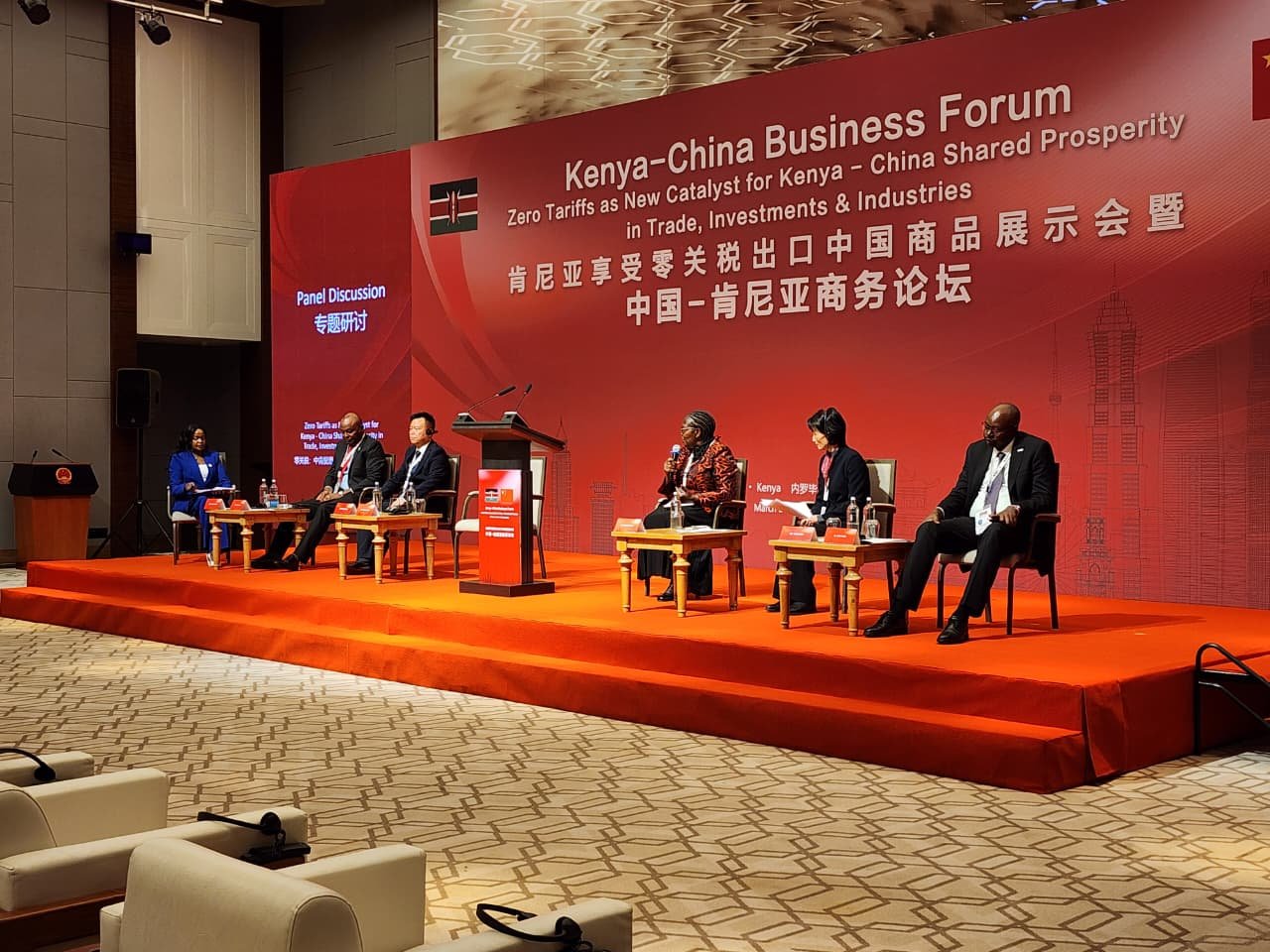
The event, jointly organised by the China Council for the Promotion of International Trade (CCPIT) and the Kenya Export Promotion and Branding Agency, highlighted the growing economic partnership between the two nations and the potential for expanded market access for Kenyan goods.