Now Reading: Debt and Drought Risks Cast Shadow Over Kenya’s Economic Recovery
-
01
Debt and Drought Risks Cast Shadow Over Kenya’s Economic Recovery

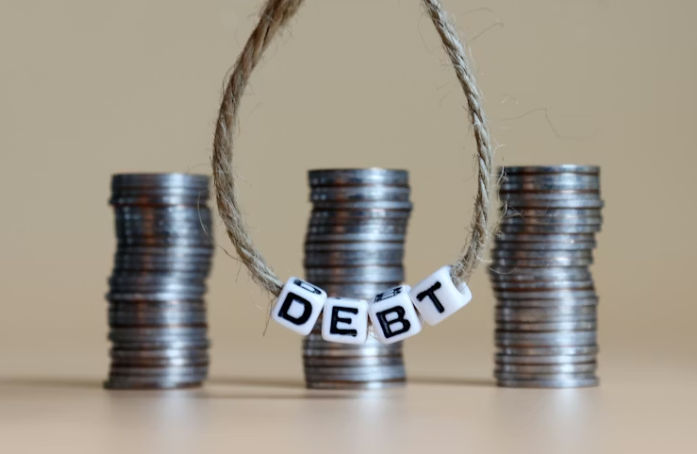

Kenya’s economic recovery is facing renewed strain as global financial institutions raise red flags over escalating debt and drought risks threatening the country’s growth trajectory. In fresh assessments, multilateral lenders caution that mounting public debt obligations and worsening climate shocks are converging at a delicate moment for the economy. The dual pressures, analysts say, could weaken fiscal stability, squeeze development spending, and limit the government’s room to maneuver amid persistent inflationary concerns. For policymakers banking on steady expansion and improved investor confidence, the warning signals could not come at a more sensitive time.
Kenya has been navigating elevated debt-servicing costs following aggressive borrowing over the past decade, with external repayments absorbing a growing share of revenue. At the same time, recurring drought conditions have battered agricultural output, strained food security, and increased reliance on imports — further widening fiscal and current account pressures. The intersection of these vulnerabilities is now drawing sharper scrutiny from global lenders assessing Kenya’s medium-term outlook.
Debt and Drought Risks Expose Fiscal and Food Security Weaknesses
International financial institutions have underscored that debt and drought risks pose structural threats rather than short-term disruptions. Kenya’s debt stock has risen significantly in recent years, leaving the Treasury grappling with high interest payments that crowd out funding for social programs and capital investment. Analysts warn that unless revenue mobilization improves and fiscal consolidation gains traction, debt sustainability could remain a persistent concern.
Compounding these fiscal pressures is the impact of prolonged dry spells on agriculture, a sector that contributes significantly to GDP and employs a large share of the workforce. Reduced crop yields have triggered food inflation and increased the cost of imports, pressuring household purchasing power. The knock-on effect extends to manufacturing and trade, where higher input costs and weaker domestic demand weigh on overall economic performance.
According to development finance experts, the overlapping shocks demand coordinated policy responses. “The convergence of debt stress and climate vulnerability requires more than temporary fixes — it calls for structural reforms in revenue collection, expenditure discipline, and climate resilience investment,” said economist Dr. James Mwangi. “Failure to address these risks decisively could suppress growth for several years.”
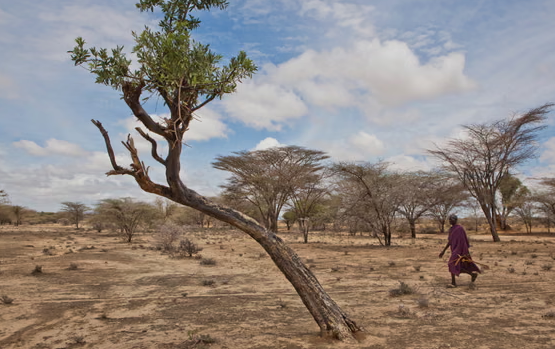
Global banks also highlight that Kenya’s reliance on external financing leaves it exposed to shifts in global interest rates and investor sentiment. Any tightening in international capital markets could raise borrowing costs further, complicating refinancing plans and development funding strategies.
Global Banks Urge Reform as Debt and Drought Risks Intensify
Financial institutions are urging Kenyan authorities to accelerate fiscal reforms, strengthen debt management frameworks, and enhance climate adaptation strategies to mitigate debt and drought risks. Recommended measures include expanding the tax base, curbing non-essential expenditure, improving transparency in public borrowing, and boosting agricultural resilience through irrigation and climate-smart farming.
Experts note that while Kenya has demonstrated resilience in the past, sustained reform momentum will be crucial to maintaining investor confidence. Strategic investments in renewable energy, water infrastructure, and value-added agriculture could cushion the economy against future climate shocks while supporting inclusive growth.
“The risks are significant, but so is Kenya’s potential,” said Dr. Mwangi. “With prudent fiscal management and targeted climate investments, the country can turn vulnerability into an opportunity for sustainable reform.”
As policymakers weigh these warnings, businesses and investors will be closely monitoring the government’s next moves. The balancing act between stabilizing public finances and protecting economic growth may ultimately define Kenya’s economic trajectory over the coming years.
Read Also: Resilient Rebound as Longhorn Publishers Narrows Half-Year Loss to KSh 11mn
Related Posts


Previous Post
Next Post