






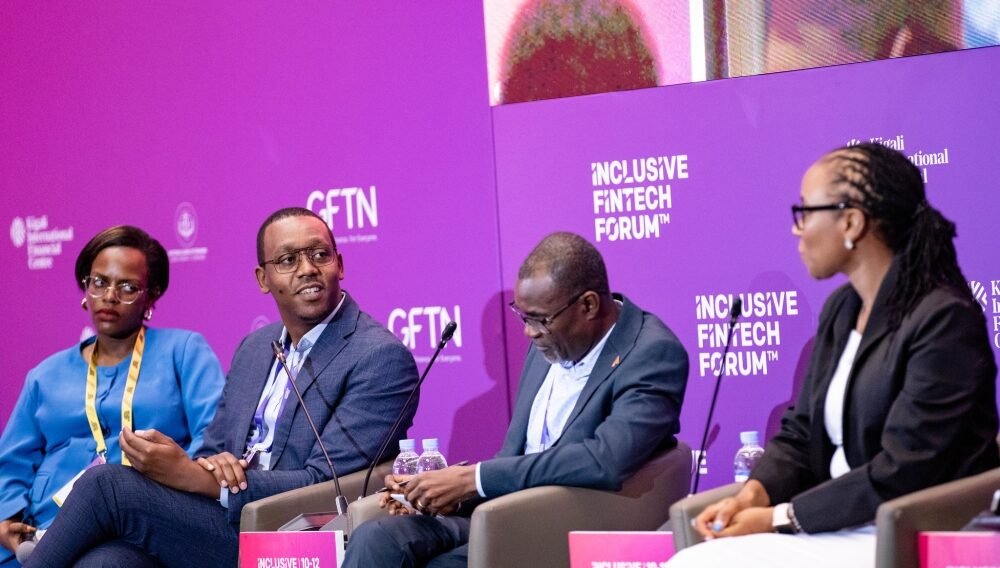
The central banks signed an MoU to simplify cross-border payment licensing, paving the way for faster, cheaper, and more efficient transactions.



Institutions are urging African governments to use the crisis as an opportunity to accelerate structural transformation, reduce dependency on external supply chains, and strengthen regional integration.

Lindian Resources, an Australian company listed on the ASX, will use the funding to advance the Kangankunde Rare Earths Project, a high-grade deposit expected to begin production in 2026.
In recent weeks, New Delhi has delivered thousands of tonnes of rice to countries facing food crises, including 1,000 tonnes to Burkina Faso, 1,000 tonnes to drought-hit Malawi, and 500 tonnes alongside relief supplies to flood-affected Mozambique.

These developments highlight a broader shift toward intra-African investment, where capital generated on the continent is increasingly being used to build industries, create jobs, and strengthen economic resilience.

Addressing these hidden costs requires a more coordinated approach between regulators, financial institutions, and policymakers.

AI-powered coding risks are rapidly emerging as a critical concern for enterprises embracing automation at scale. As organizations integrate AI tools to accelerate software development, a new phenomenon—often referred to

Institutions are urging African governments to use the crisis as an opportunity to accelerate structural transformation, reduce dependency on external supply chains, and strengthen regional integration.

Lindian Resources, an Australian company listed on the ASX, will use the funding to advance the Kangankunde Rare Earths Project, a high-grade deposit expected to begin production in 2026.
In recent weeks, New Delhi has delivered thousands of tonnes of rice to countries facing food crises, including 1,000 tonnes to Burkina Faso, 1,000 tonnes to drought-hit Malawi, and 500 tonnes alongside relief supplies to flood-affected Mozambique.
These developments highlight a broader shift toward intra-African investment, where capital generated on the continent is increasingly being used to build industries, create jobs, and strengthen economic resilience.

Addressing these hidden costs requires a more coordinated approach between regulators, financial institutions, and policymakers.

AI-powered coding risks are rapidly emerging as a critical concern for enterprises embracing automation at scale. As organizations integrate AI tools to accelerate software development, a new phenomenon—often referred to
Institutions are urging African governments to use the crisis as an opportunity to accelerate structural transformation, reduce dependency on external supply chains, and strengthen regional integration.
Lindian Resources, an Australian company listed on the ASX, will use the funding to advance the Kangankunde Rare Earths Project, a high-grade deposit expected to begin production in 2026.
In recent weeks, New Delhi has delivered thousands of tonnes of rice to countries facing food crises, including 1,000 tonnes to Burkina Faso, 1,000 tonnes to drought-hit Malawi, and 500 tonnes alongside relief supplies to flood-affected Mozambique.
These developments highlight a broader shift toward intra-African investment, where capital generated on the continent is increasingly being used to build industries, create jobs, and strengthen economic resilience.
Addressing these hidden costs requires a more coordinated approach between regulators, financial institutions, and policymakers.
AI-powered coding risks are rapidly emerging as a critical concern for enterprises embracing automation at scale. As organizations integrate AI tools to accelerate software development, a new phenomenon—often referred to
Institutions are urging African governments to use the crisis as an opportunity to accelerate structural transformation, reduce dependency on external supply chains, and strengthen regional integration.
Lindian Resources, an Australian company listed on the ASX, will use the funding to advance the Kangankunde Rare Earths Project, a high-grade deposit expected to begin production in 2026.
In recent weeks, New Delhi has delivered thousands of tonnes of rice to countries facing food crises, including 1,000 tonnes to Burkina Faso, 1,000 tonnes to drought-hit Malawi, and 500 tonnes alongside relief supplies to flood-affected Mozambique.
These developments highlight a broader shift toward intra-African investment, where capital generated on the continent is increasingly being used to build industries, create jobs, and strengthen economic resilience.
Addressing these hidden costs requires a more coordinated approach between regulators, financial institutions, and policymakers.
AI-powered coding risks are rapidly emerging as a critical concern for enterprises embracing automation at scale. As organizations integrate AI tools to accelerate software development, a new phenomenon—often referred to
The central banks signed an MoU to simplify cross-border payment licensing, paving the way for faster, cheaper, and more efficient transactions.
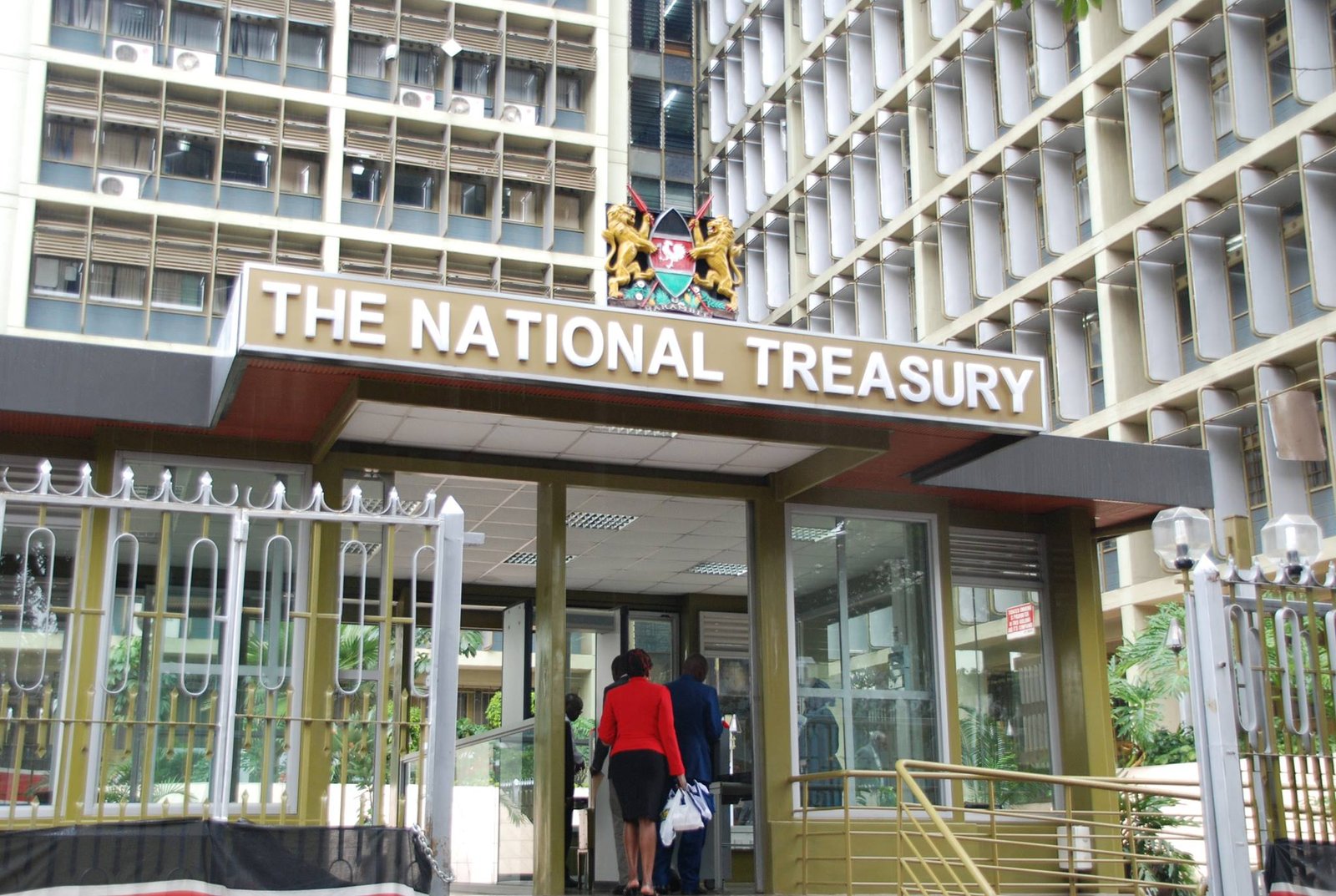
Kenya Reduces IMF Dependence Through Stake Sales

The race for vegetable oils and biofuels is heating up.
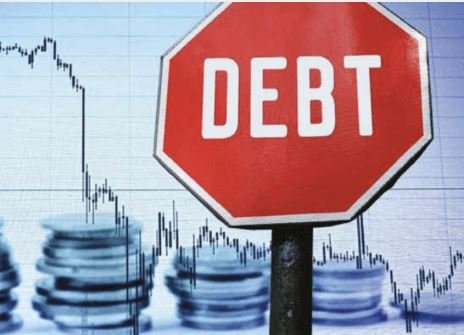
Experts are now calling for new budget rules beyond the PFM Act to strengthen fiscal discipline and control borrowing.

KCB is proving that digital transformation drives real results.

Kenya’s tea industry is facing a major disruption.
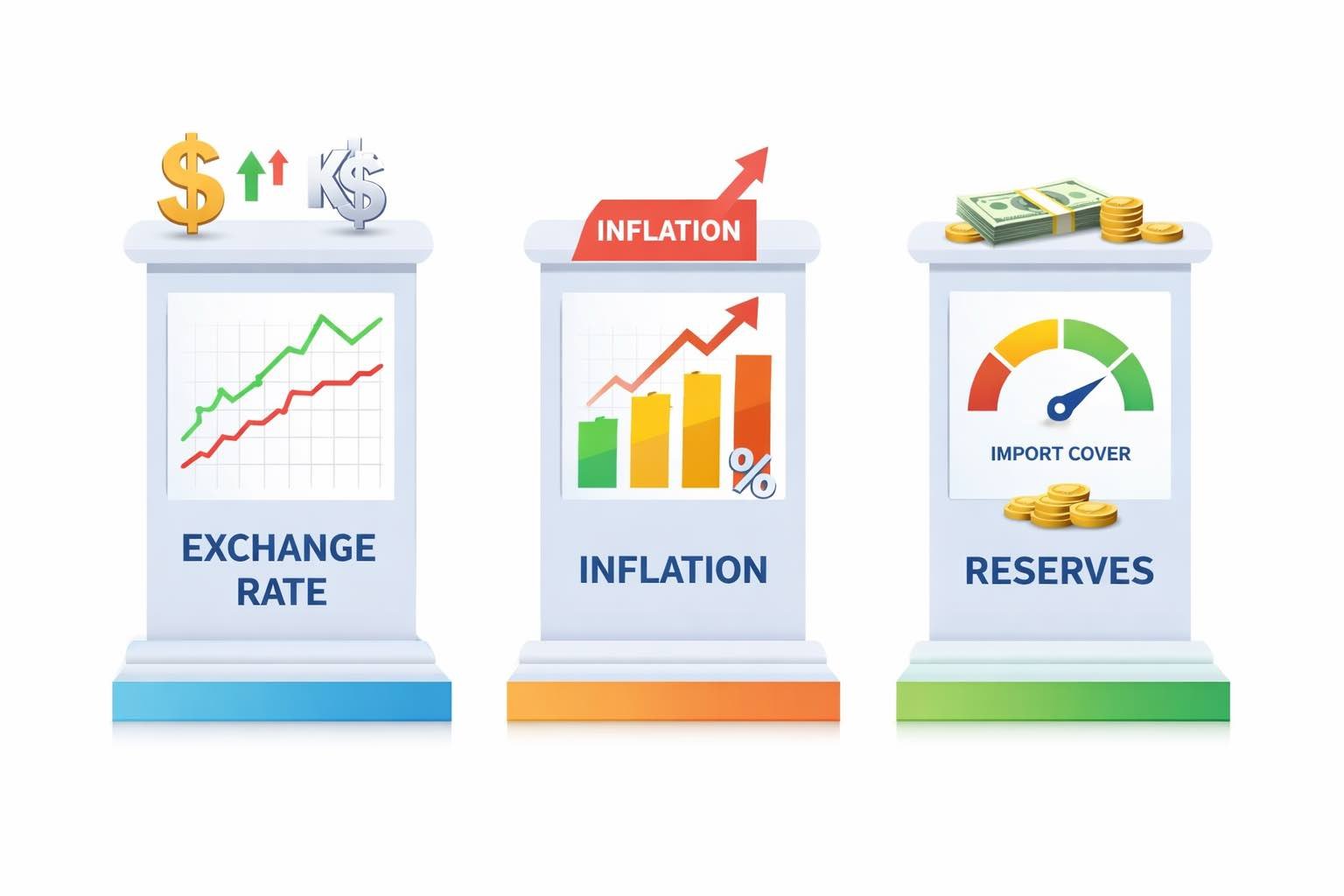
The Kenyan shilling is facing renewed pressure as escalating conflict in the Middle East strengthens the US dollar and disrupts global financial markets. Analysts warn that the currency could weaken by between 8% and 30% if geopolitical tensions persist and capital continues to flow into safe-haven assets. A weaker shilling would significantly increase the cost of imports, fuel and debt servicing for the country. The Kenyan shilling Middle East war impact is emerging as a major concern for policymakers and businesses. Kenyan Shilling Middle East War Pressure Builds From Dollar Strength The Kenyan shilling Middle East war scenario is being driven largely by the strengthening of the United States Dollar, which investors are turning to amid global uncertainty. Historically, geopolitical conflicts push investors toward safer assets such as the dollar, causing emerging market currencies to weaken. For Kenya, a stronger dollar increases the cost of imports including fuel, machinery and raw materials, all of which are priced in foreign currency. This dynamic puts immediate pressure on the shilling, particularly as the country relies heavily on imports to support key sectors of the economy. Analysts say continued volatility in global markets could accelerate the depreciation of the local currency, especially if capital outflows increase. Import Costs, Debt and Inflation Risks Set to Rise The broader Kenyan shilling Middle East war impact could have far-reaching consequences for the economy. A weaker currency would make essential imports more expensive, leading to higher fuel prices and increased costs for goods and services across the country. This could drive inflation upward, affecting household purchasing power and business profitability. At the same time, Kenya’s external debt burden could become more expensive to service, as repayments denominated in dollars would require more local currency. Economists warn that these combined pressures could slow economic growth and complicate fiscal planning. Institutions such as the Central Bank of Kenya may be forced to intervene through monetary policy measures to stabilize the currency and control inflation. Experts say that while the situation depends heavily on how long the Middle East conflict lasts, the risks to the shilling remain significant. “If global uncertainty persists, emerging market currencies like the shilling are likely to remain under pressure,” analysts note. With global investors closely watching geopolitical developments, the Kenyan shilling Middle East war trend underscores how external shocks can quickly impact local currency stability.
The Report shows that one in five Kenyans says their cost of living has risen by more than 20 per cent in the past six months, underscoring the growing pressure on household budgets.
The dividend increase reflects Old Mutual's improved operational performance, particularly in asset management and short-term insurance, as well as disciplined capital management.
The KSh 31 per share payout, though lower than last year’s KSh 45, remains the second highest in the bank’s history, extending a dividend track record spanning decades.