Now Reading: Infrastructure Growth Without Industrial Policy Is Cosmetic
-
01
Infrastructure Growth Without Industrial Policy Is Cosmetic




How can a country spend billions on infrastructure and still struggle to expand manufacturing? Over the past decade, Kenya has consistently allocated between 5 and 8 percent of GDP to infrastructure development.
The Standard Gauge Railway cost approximately $3.6 billion for its first phase, major highways have absorbed hundreds of billions of shillings, and electricity access has expanded to more than 75 percent of households. Yet manufacturing still contributes only about 7 to 8 percent of GDP — a figure that has barely moved in more than ten years.
These numbers raise an uncomfortable question. If infrastructure is the backbone of development, why has industrial output not followed proportionately? Growth that rests primarily on construction and services may look impressive in the short term, but without a strong production base, it remains structurally fragile.
Roads Without Factories
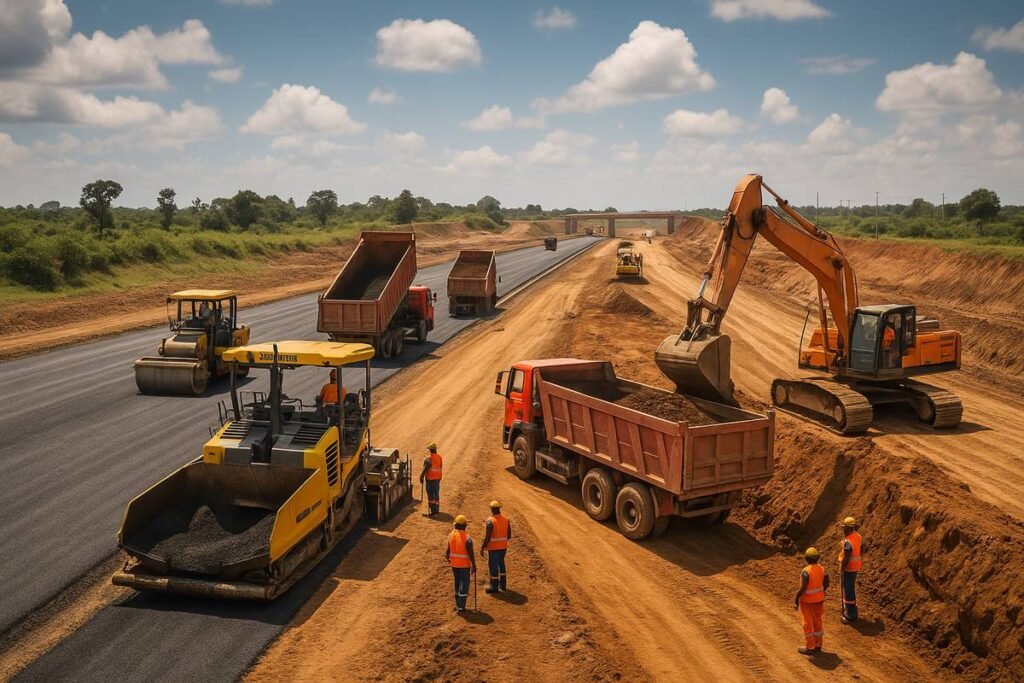
Infrastructure lowers transaction costs, reduces transport time, and improves connectivity. The SGR cut freight time between Mombasa and Nairobi from more than 24 hours by road to roughly 8 hours by rail.
Port capacity at Mombasa has expanded beyond 30 million tonnes annually. Electricity generation capacity now exceeds 3,000 megawatts, much of it from renewable sources.
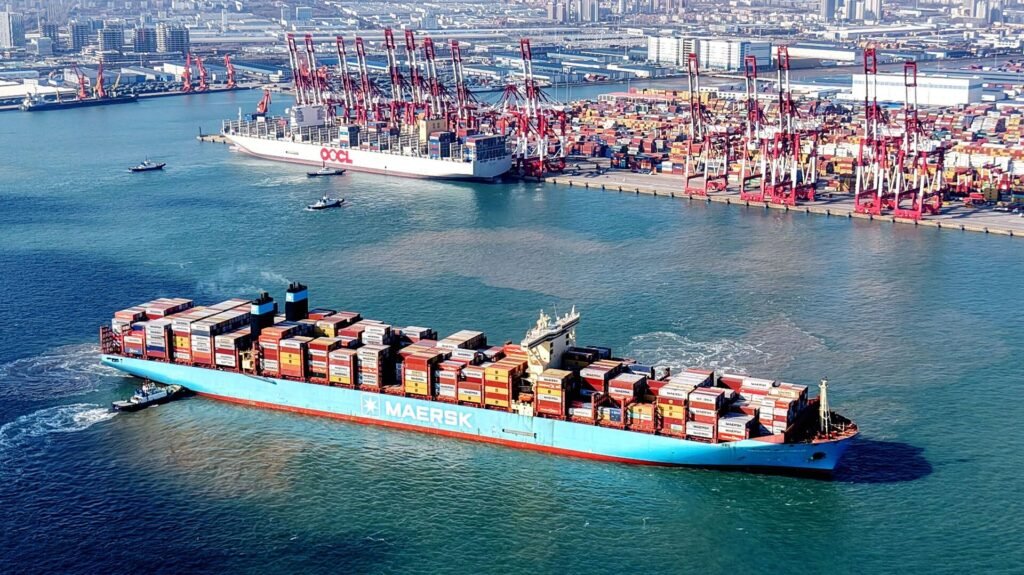
However, the economic multiplier depends on what moves through those systems. If improved logistics primarily facilitate the inflow of imported consumer goods rather than the export of locally manufactured products, then infrastructure becomes a conduit for consumption rather than production.
Kenya’s trade deficit has hovered above KSh 1 trillion annually in recent years, reflecting a persistent imbalance between imports and exports.
An industrial economist based in Nairobi notes that “efficiency without production is like building a highway to someone else’s factory.” The statement may sound stark, but the data supports the concern. Without industrial clusters feeding transport corridors, the returns on infrastructure investment remain below potential.
The Missing Industrial Blueprint
Industrial policy is not about state control; it is about strategic coordination. Countries that industrialized successfully deliberately identified priority sectors, protected emerging industries in early stages, incentivized exports, and ensured policy stability over decades.
Manufacturing shares of GDP in economies like Vietnam and Malaysia rose above 20 percent during critical expansion periods.
Kenya has launched industrial parks and special economic zones, yet uptake has been uneven. Investors frequently cite concerns about regulatory shifts, tax unpredictability, and energy pricing.
When GDP grows at around 5 percent but manufacturing grows at a slower pace, the structure of the economy tilts toward services and trade rather than value addition.
The absence of a focused industrial blueprint means infrastructure projects often operate in isolation. Highways connect cities, but where are the large-scale agro-processing hubs? Rail links reach inland depots, but where are the export-oriented manufacturing clusters designed to scale along those routes?
Employment and the Demographic Clock
More than one million young Kenyans enter the labor market annually. Infrastructure construction provides temporary employment, but manufacturing offers sustained, scalable jobs. Historically, industrialization has absorbed semi-skilled labor at scale, raising incomes and expanding the middle class.
Kenya’s youth unemployment and underemployment rates remain significant, and informal sector participation continues to dominate. Without industrial expansion, the demographic dividend risks turning into economic pressure.
A growing workforce without sufficient productive absorption strains public finances and household stability.
A policy analyst recently observed that “we are building the skeleton of growth, but not its muscles.” The metaphor captures the urgency. Infrastructure is foundational, but it cannot substitute for production capacity.
From Concrete to Competitiveness
Kenya’s infrastructure story is impressive by regional standards. Logistics rankings have improved, electricity connectivity has expanded, and mobility within urban centers is faster. These achievements should not be dismissed. However, infrastructure alone does not guarantee competitiveness.
To convert concrete into economic strength, Kenya must align infrastructure with targeted industrial policy. That means prioritizing value addition in agriculture, encouraging export manufacturing, stabilizing regulatory frameworks, and linking procurement to local production. It also means narrowing the trade deficit through domestic substitution where viable.
Infrastructure growth is visible and politically attractive. Industrial policy is slower, more technical, and less dramatic. Yet without it, roads and rails risk becoming symbols rather than engines. Kenya has laid the groundwork. The question now is whether it will build the factories that give that groundwork meaning.
Also Read: Kodak Invented the Future but Refused to Embrace It and Paid the Ultimate Price
Previous Post
Next Post