Now Reading: Kenya Moves Closer to E-Mobility Innovation with Spiro Expansion
-
01
Kenya Moves Closer to E-Mobility Innovation with Spiro Expansion
Kenya Moves Closer to E-Mobility Innovation with Spiro Expansion

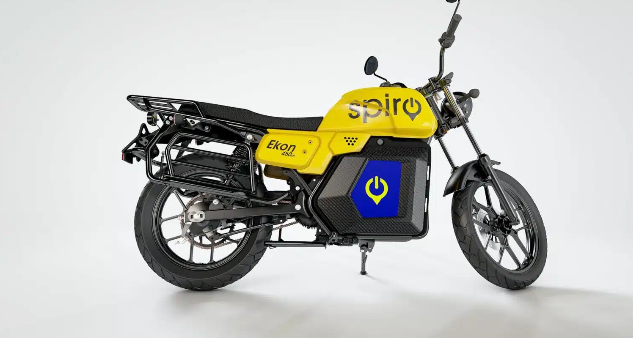

The Spiro Nairobi e-bike hub strategy is gaining momentum after electric motorcycle company Spiro acquired a UK engineering and design firm to strengthen its research and development ambitions in Africa. The company is planning to establish its first African R&D center in Nairobi, signaling a major shift in Kenya’s role within the continent’s growing electric mobility ecosystem. Rather than remaining largely an assembly destination, Kenya could increasingly become a center for engineering, product development, and e-mobility innovation. As investment in clean transport accelerates, the Spiro Nairobi e-bike hub initiative is emerging as a potentially transformative step for industrial technology growth in East Africa.

Spiro Nairobi E-Bike Hub Could Shift Kenya from Assembly to Innovation
The Spiro Nairobi e-bike hub proposal follows the company’s acquisition of UK-based engineering and design firm Coexlion, a move aimed at strengthening in-house capabilities for developing electric motorcycles tailored to African market conditions. According to the company, the acquisition will support the establishment of its first African research and development center in Kenya, allowing engineers to design products better suited for local road conditions, rider usage patterns, and energy needs.
The move reflects a broader ambition to deepen technological ownership within Africa’s growing electric mobility sector. While Kenya has increasingly become an assembly location for electric motorcycles, much of the technology behind batteries, motors, and vehicle systems remains imported from Asia and Europe. A Nairobi-based innovation center could help bridge that gap by supporting localized engineering, software development, battery optimization, and vehicle testing.
Founded in 2022, Spiro operates across several African markets, including Kenya, Uganda, Rwanda, Nigeria, Benin, and Togo, with Nairobi serving as its operational headquarters. The company says it has deployed more than 100,000 electric motorcycles and operates thousands of battery-swapping stations across the continent, positioning itself as one of Africa’s largest e-mobility players.
The Spiro Nairobi e-bike hub initiative could also strengthen Kenya’s ambition to become a technology manufacturing destination. By building research capabilities locally, Kenya may attract additional investments into engineering talent, clean mobility infrastructure, and industrial technology development.

Spiro Nairobi E-Bike Hub Signals Rising Competition in Kenya’s EV Market
Beyond industrial development, the Spiro Nairobi e-bike hub reflects intensifying competition in Kenya’s electric vehicle market, where firms are racing to build ecosystems around battery swapping, affordability, and localized manufacturing. Rising fuel prices, growing climate financing, and the large boda boda economy have accelerated investor interest in electric motorcycles as a cost-saving and sustainable transport solution.
Institutions such as the Electric Mobility Association of Kenya have highlighted the growing adoption of electric vehicles, particularly motorcycles, as businesses and consumers seek alternatives to fuel-powered transport. Kenya’s motorcycle market provides fertile ground for e-mobility expansion, given the scale of commercial transport activity nationwide.
You Might Also Like: Global Hiring Boom: Kenya’s Remote Work Rise Unlocks New Income and Talent Opportunities
Analysts argue that local R&D capability could become a major differentiator in the sector. Companies that can design products specifically for African conditions—including battery performance, road durability, and maintenance costs—may gain an edge over firms relying solely on imported technologies.
However, building a successful innovation ecosystem will require more than capital investment. Kenya will need stronger collaboration between private firms, universities, engineers, and regulators to create sustainable research pipelines and support commercialization of local technologies.
Ultimately, the Spiro Nairobi e-bike hub initiative highlights a broader transition underway in Kenya’s economy: the shift from simply consuming imported technology to increasingly building and adapting it locally. If successful, Nairobi could strengthen its position as East Africa’s clean mobility innovation center while creating jobs, skills, and industrial growth opportunities tied to the future of transport.
Previous Post
Next Post