Now Reading: Kenya’s Duty-Free China Deal To Reshape Exports in 30 Days
-
01
Kenya’s Duty-Free China Deal To Reshape Exports in 30 Days

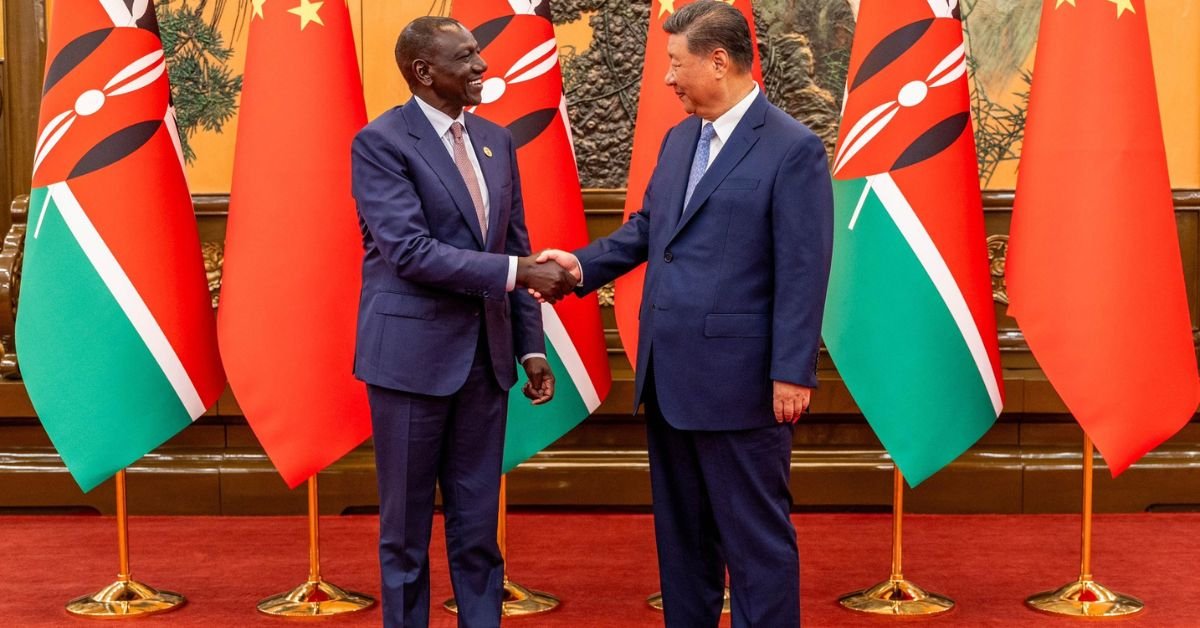

Kenya’s planned duty-free China deal could reshape the country’s export economy within weeks by opening unrestricted access to the world’s largest consumer market and easing long-standing pressure on farmers, exporters, and foreign exchange earnings.
The government says it is on track to sign a Duty-Free, Quota-Free (DFQF) trade agreement with China within the next 30 days, following advanced negotiations between Nairobi and Beijing.
Once finalised, the deal will allow Kenyan goods to enter China at zero tariff and without volume limits, giving local producers access to a market of more than 1.4 billion people.
Investment, Trade and Industry Cabinet Secretary Lee Kinyanjui confirmed that initial discussions have been completed, with only final steps remaining before signing.
He described the agreement as a shift from aid-based diplomacy to trade-led partnerships that reward production and competitiveness.
Why the deal is huge for Kenya
At its core, the duty-free China deal aims to correct a deep trade imbalance that has favoured Beijing for years.
Kenya imports far more from China than it exports, leaving the country with a trade deficit estimated at over KSh 500 billion annually.
By removing tariffs and quotas, the agreement lowers the cost barrier that has made Kenyan products less competitive in the Chinese market. Even modest penetration could have outsized effects.
As Kinyanjui noted, supplying just a fraction of China’s demand for products such as avocados or meat could significantly lift rural incomes and employment.
This matters at a time when Kenya is seeking new growth engines amid pressure on public finances, a weakening shilling, and uncertainty in traditional export markets.
What it means for farmers, manufacturers and exporters
Farmers are expected to be among the biggest winners from the duty-free China deal.
High-demand agricultural products such as tea, coffee, avocados, flowers, macadamia nuts, and meat products stand to benefit most.
Zero-tariff access improves price competitiveness and could encourage exporters to scale up production.
This, in turn, may drive investment in cold storage, logistics, processing facilities, and quality control, creating jobs along the value chain rather than only at the farm level.
For rural communities, higher and more stable export demand could translate into better incomes, reduced post-harvest losses, and stronger incentives for youth to remain in agriculture.

Beyond farming, the deal opens opportunities for agro-processing and light manufacturing.
Exporting processed goods rather than raw commodities allows Kenya to capture more value, earn more foreign exchange, and reduce vulnerability to price swings.
However, access alone is not enough. Exporters will need to meet China’s strict sanitary and phytosanitary standards, packaging rules, and traceability requirements.
Without consistent quality and reliable supply, the benefits of duty-free access could remain largely theoretical.
This places pressure on both businesses and the government to invest in certification systems, inspection capacity, and exporter education.
Also,Kenya’s push for duty-free access addresses a long-standing structural problem. As a lower-middle-income country, Kenya has often been excluded from preferential trade schemes available to least developed countries, even within East Africa.
According to the Trade Ministry, this has forced some exporters to route goods through neighbouring countries to access zero-tariff benefits, adding costs of up to 10% and weakening competitiveness.
The duty-free China deal removes that penalty and places Kenyan exporters on a more equal footing.
Implications of the Duty-Free China Deal for the wider economy
The deal fits into Kenya’s broader effort to diversify trade partners as uncertainty grows around Western markets and preferential access programmes such as AGOA.
Officials have stressed that closer ties with China do not replace relations with the United States, but rather reduce overdependence on any single market.
Still,to fully benefit from the duty-free China deal, Kenya will need more than signatures and speeches.
Key priorities include improving port efficiency, reducing logistics costs, supporting farmer cooperatives, and strengthening quality assurance systems.
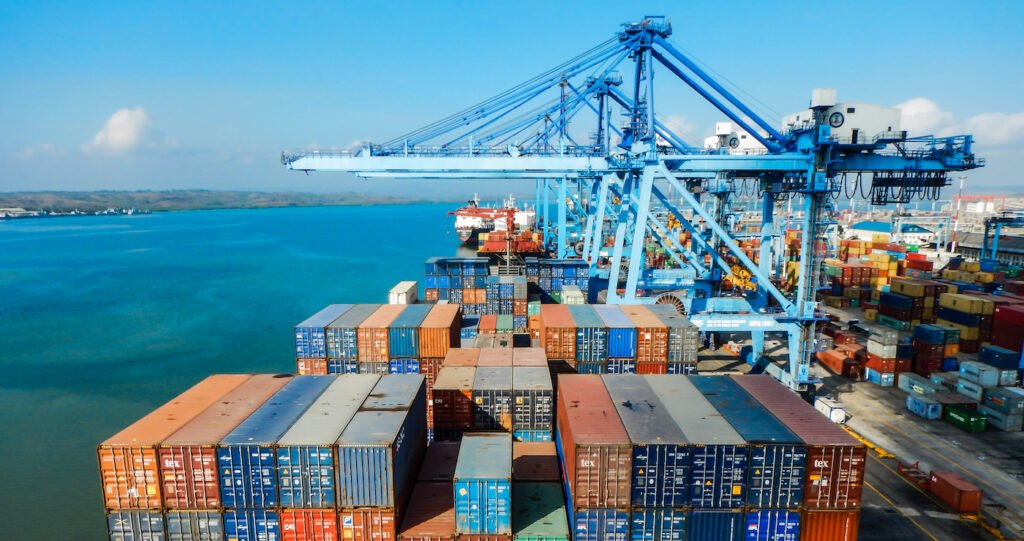
Clear export strategies, targeted financing, and coordination between government agencies and the private sector will be critical.
Without this, duty-free access risks becoming an opportunity that exists on paper but falls short in practice.
Overall, if implemented well, the agreement could mark a turning point in Kenya-China trade relations, shifting the focus from imports and debt toward exports and production.
For farmers, exporters, and the broader economy, the next 30 days could open the door to a more balanced and sustainable growth path driven by what Kenya sells to the world, not just what it buys.
See Also: Kenya’s Economic Growth 2026 Signals Cautious Recovery – Business News

Previous Post
Next Post