Now Reading: Malawi aims to cut inflation below 21% with IMF support
-
01
Malawi aims to cut inflation below 21% with IMF support


Malawi aims to reduce annual inflation to below 21% this year as part of a broader push to stabilise the economy after years of high prices, foreign exchange shortages and weak growth, President Peter Mutharika told parliament on Friday.
Inflation currently stands at about 26% year-on-year and has remained above 20% since mid-2022, eroding household incomes and raising the cost of basic goods in the donor-dependent Southern African nation.
The government says bringing inflation below 21% would mark a turning point in restoring macroeconomic stability.
Speaking during an address to lawmakers in Blantyre, Mutharika said taming inflation was central to his administration’s economic recovery agenda following his return to power after elections held in September.
He pledged tighter fiscal discipline, improved coordination with the central bank and renewed engagement with international partners.
“We must restore stability to prices and rebuild confidence in the economy,” Mutharika said, adding that sustained inflation above 20% had hurt consumers, businesses and government planning.
Foreign exchange shortages weigh on Malawi’s economy
Malawi’s inflation surge has been driven in part by chronic shortages of foreign currency, which have disrupted imports of fuel, fertiliser, medicines and other essential goods. Limited access to dollars has pushed up import costs, weakened the kwacha and fuelled price increases across the economy.
According to the president, foreign exchange reserves remain below three months of import cover, a level widely regarded by economists as the minimum buffer needed to protect an economy from external shocks.
Low reserves have forced importers to ration fuel and fertiliser, with knock-on effects for transport costs and agricultural production in a country where farming supports the majority of livelihoods.
Growth targets set for 2026 and 2027
Alongside inflation control, the government is targeting a pickup in economic growth.
Mutharika told parliament that Malawi aims to expand by 3.8% in 2026 and 4.9% in 2027, up from the 2.7% growth rate he said the administration inherited.
The growth projections hinge on improved agricultural output, easing import bottlenecks and increased investment once macroeconomic conditions stabilise.
However, analysts caution that growth remains vulnerable to climate shocks, global commodity prices and the availability of external financing.
IMF talks and debt restructuring
Malawi is currently negotiating a new support programme with the International Monetary Fund, while also seeking to restructure its debt and rebuild depleted reserves.
An IMF programme could unlock concessional financing from multilateral lenders and bilateral partners, but would likely require commitments to fiscal reforms, tighter spending controls and improved debt management.
Government officials say debt restructuring is critical to easing pressure on public finances and freeing up resources for social services and development spending.
Cost of living remains high
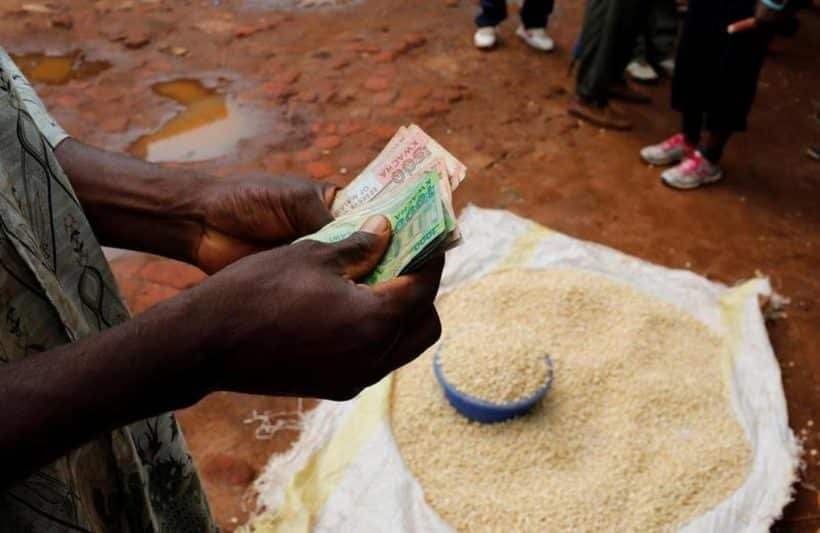
For ordinary Malawians, high inflation has translated into rising food and transport costs, with wages failing to keep pace.
Civil society groups have urged the government to prioritise measures that protect vulnerable households as it pursues fiscal consolidation.
Economists say lowering inflation from 26% to below 21% would be progress, but warn that achieving lasting price stability will take time, given structural constraints and Malawi’s reliance on imports.
Still, the government argues that stabilising prices is a necessary first step toward restoring confidence, attracting investment and laying the groundwork for stronger growth.
As Malawi presses ahead with IMF negotiations and economic reforms, the coming months will test whether policy adjustments can ease inflationary pressures and pull the country out of its prolonged economic strain.
Read Also: Kenya Inflation Eases to 4.4%: What It Means for Consumers and Investors – Business News
Related Posts