Now Reading: Phone Number Masking Set to Transform M-Pesa Security Standards
-
01
Phone Number Masking Set to Transform M-Pesa Security Standards

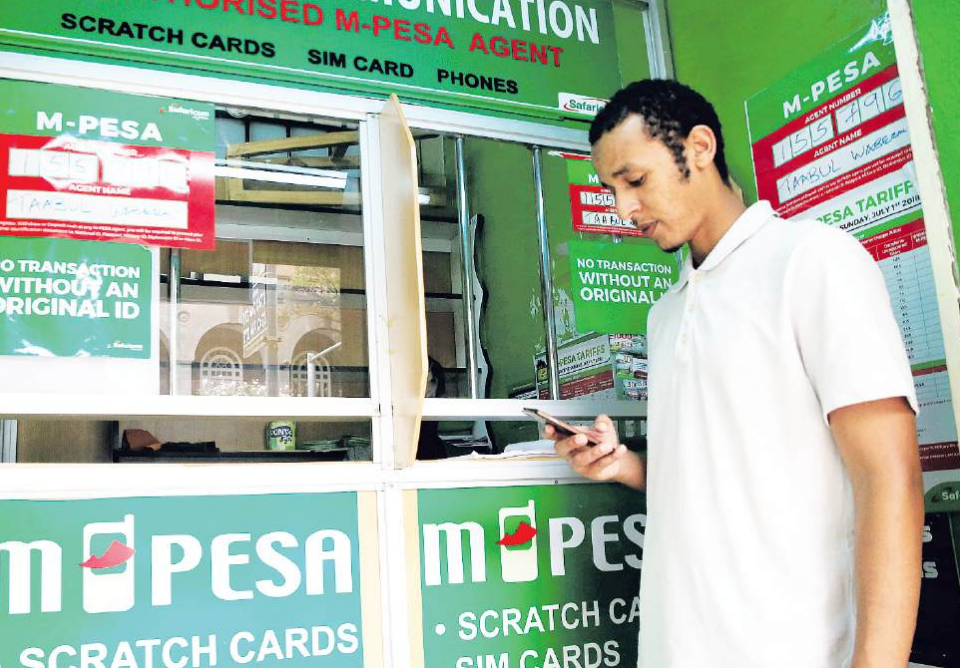

In a significant regulatory update that could reshape digital payments security in Kenya, the Central Bank of Kenya (CBK) has given the go-ahead for phone number masking in M-Pesa transactions — a move expected to bolster user privacy and fortify defenses against fraud and social engineering attacks. The landmark decision permits mobile money service providers to deploy technology that hides customers’ phone numbers during transfers and related notifications, tackling long-standing privacy concerns raised by users and cybersecurity advocates alike. The enhanced privacy feature is anticipated to reduce instances where sensitive contact details are exposed in transaction texts or receipts, particularly in high-volume environments such as merchant payments and peer-to-peer transfers. Safeguarding end-users’ personal data has become an urgent priority as mobile money penetration expands and cyber threats grow more sophisticated.
Experts say the approval of phone number masking is a milestone in Kenya’s payments regulation and could serve as a blueprint for other markets where mobile money platforms — like the ubiquitous M-Pesa — dominate financial inclusion efforts.
Regulatory Boost Strengthens Privacy in M-Pesa with Phone Number Masking
The CBK’s endorsement stems from ongoing regulatory efforts to protect digital financial service users from rising fraud and identity theft risks that have often exploited publicly visible phone numbers during mobile money transactions. Under the new framework, telecommunications operators and mobile money platforms can adopt systems that conceal users’ contact numbers — much like “alias” or masked identifiers — without eroding the transparency required for secure fund transfers. Industry insiders point out that this mechanism effectively decouples the visible identity of the sender or receiver from sensitive personal data, thus reducing opportunities for mischievous actors to harvest contact details for phishing, spoofing, or other social engineering scams.
Safaricom’s M-Pesa — which dominates Kenya’s mobile money ecosystem — will likely be among the first to integrate the feature, given its vast user base and established investments in digital payments technology. The Communications Authority of Kenya (CA) had earlier signaled support for data privacy initiatives such as phone number masking, noting that such innovations align with global best practices in financial services security.

Mobile money fraud has been a persistent concern for both consumers and businesses, with schemes often leveraging exposed phone numbers to orchestrate convincing but illicit transaction prompts. Analysts say masking phone numbers could be a turning point in curbing both low-level scams and more sophisticated breaches.
Industry Insiders and Users Welcome the Phone Number Masking Move
“Approving phone number masking in mobile money transactions is a forward-looking move that fits Kenya’s reputation as a digital payments innovator,” said Dr. Evans Otieno, a financial technology analyst based in Nairobi. “By protecting user identifiers, this feature not only curtails fraud risk but also reinforces consumer trust — a core pillar as Kenya intensifies its push towards a cashless economy.”
Proponents emphasize that the timing of this regulatory approval is critical. Mobile money now accounts for a substantial share of everyday transactions — from utility payments and school fees to business remittances — leaving little room for vulnerabilities that could undermine confidence in digital finance.
However, some industry watchers caution that technological adaptation must be balanced with clarity for users to avoid confusion over masked identifiers during routine transactions.
Safaricom and other mobile money providers have yet to announce definitive timelines for rolling out phone number masking across their platforms. Still, stakeholders anticipate rapid deployment given competitive pressures and consumer demand for heightened data privacy.
You Might Also Like: Game-Changing Boost as Pesalink and Pan-African Payment and Settlement System (PAPSS) Partner
Previous Post
Next Post