Now Reading: Middle East Escalation Poses Grave Risk to Kenya’s Gulf Trade Stability
-
01
Middle East Escalation Poses Grave Risk to Kenya’s Gulf Trade Stability



In a deeply concerning development for Kenya’s external sector, the burgeoning conflict sparked by recent strikes on Iran is putting the country’s Gulf trade — worth approximately Sh700 billion — at serious risk. The escalation has triggered airspace closures, suspended flights, and heightened security concerns across key Gulf markets that are central to Kenya’s exports, imports, and diaspora remittances. Such disruptions, combined with soaring insurance premiums and freight rates, threaten to stoke inflationary pressures at home while rattling businesses reliant on seamless international supply chains. The situation is unfolding rapidly, leaving policymakers and private sector leaders scrambling to assess potential economic fallout.
Kenya’s trade ties with Gulf Cooperation Council (GCC) countries — including the United Arab Emirates, Saudi Arabia, Qatar, and Kuwait — are critical, encompassing agricultural exports such as tea, vegetables, flowers, and meat, alongside imports of energy products and manufactured goods. Increased volatility in the region now imperils these established links and raises the specter of weakened demand, higher costs, and logistical rerouting that could dent Kenya’s trade performance.
Gulf Trade Disruptions: What Kenya Stands to Lose
The Middle East conflict has already prompted airlines — including Kenya Airways — to suspend key routes to the Gulf as airspace closures spread due to security risks. These suspensions disrupt not only passenger travel but also cargo services that form the backbone of Kenya’s exports to the Gulf markets.
Prime Cabinet Secretary Musalia Mudavadi has issued advisories urging Kenyan citizens in the region to exercise caution, reflecting growing concern about personal safety for the diaspora and workers who contribute significantly to foreign exchange earnings in the form of remittances. Mudavadi also emphasized that escalating regional tensions could trigger supply chain disruptions that reverberate beyond East Africa.
Beyond civilian travel and labor mobility, Kenya’s Gulf trade is being squeezed by rising insurance costs for vessels navigating riskier waters around the Strait of Hormuz — a strategic chokepoint for global oil and trade routes. With insurers hiking premiums and shippers reconsidering pathways through heightened conflict zones, cargo movements are already being rerouted or delayed, increasing operational costs for exporters and importers alike.
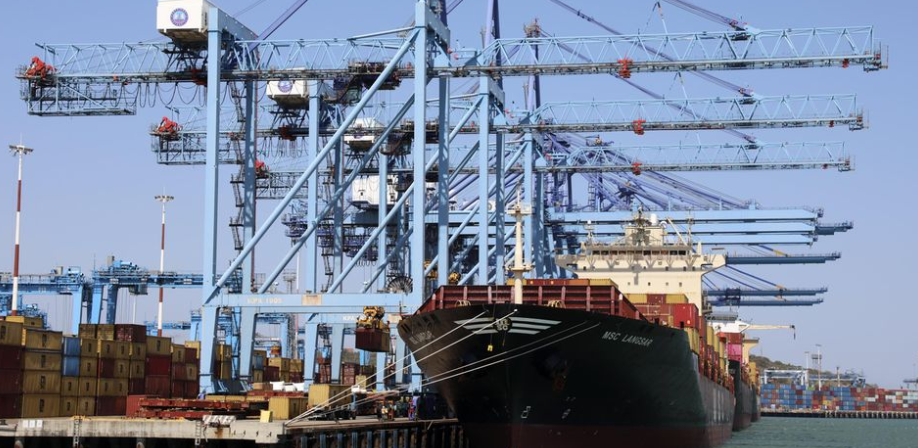
Economic analysts warn that the compounding effect of reduced access, higher freight and insurance costs, and elevated energy prices could dampen economic output and erode Kenya’s hard-earned gains in export diversification. The inflationary shock from pricier imports — especially fuel — could place added pressure on households already struggling with reduced disposable incomes.
Analyst Insight: Strategic Risks and Policy Imperatives
“A prolonged conflict in the Gulf region threatens to unravel established trade corridors that many emerging economies, including Kenya, depend on,” said Dr. Grace Maina, an international trade analyst. “For Kenya’s Gulf trade, the immediate concern is not just lost volume but rising transaction and logistics costs that could ripple through consumer prices and investment confidence.”
Dr. Maina highlighted that disruptions in Gulf markets could compel Kenyan exporters to seek alternative destinations and logistics routes — strategies that require coordination between government agencies and the private sector.
Economists also stress the importance of diplomatic engagement and contingency planning to cushion the economy against prolonged instability. Diversification of trade markets, utilization of digital logistics tracking, and leveraging regional hubs outside the conflict zone are among strategies being discussed in business circles.
See Also: Stunning Surge as Unga Group’s Interim Profit Spikes by 537% on Lower Finance Costs
Related Posts



Previous Post
Next Post