Now Reading: Power Rationing and Fuel Strain Define Africa’s Growing Energy Crisis
-
01
Power Rationing and Fuel Strain Define Africa’s Growing Energy Crisis
Power Rationing and Fuel Strain Define Africa’s Growing Energy Crisis


Countries across Africa are scrambling to manage a growing energy crisis triggered by the Iran war, with governments introducing emergency measures ranging from fuel rationing to electricity cuts as supply disruptions ripple across the continent.
The conflict has driven a sharp rise in global fuel prices and disrupted key shipping routes, particularly through the Strait of Hormuz, exposing Africa’s heavy reliance on imported energy and its vulnerability to external shocks.
In South Sudan, authorities have begun rationing electricity in the capital, Juba, introducing daily power cuts as energy reserves come under pressure.
Officials say the move is necessary to manage limited supply, with outages now stretching for hours and disrupting businesses and households.
Mauritius has also declared an energy emergency after a delayed fuel shipment left the country with just weeks of supply.
The government has imposed restrictions aimed at reducing consumption, particularly in high-energy-use sectors, while seeking alternative imports at higher costs.
Elsewhere, governments are turning to unconventional solutions. Zimbabwe has increased the ethanol blend in petrol from 5% to 20% in an effort to stretch fuel supplies, while also cutting some fuel import taxes to cushion consumers from surging prices.
In Ethiopia, authorities have ordered fuel distributors to prioritise essential sectors such as public transport, government operations, and key industries. In some regions, including parts of Tigray, fuel supplies have been suspended altogether amid security concerns and fears of renewed conflict.
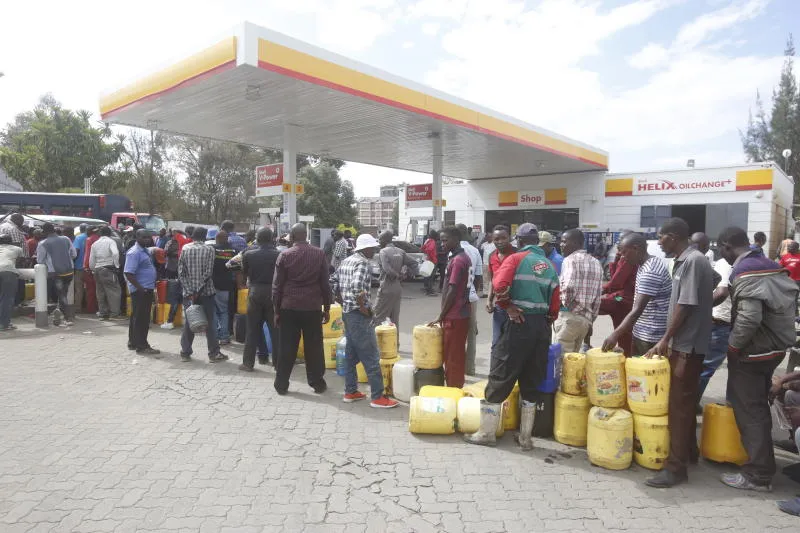
Kenya is also feeling the strain, with around 20% of petrol stations reportedly experiencing shortages amid panic buying and rising demand.
While the government insists that national fuel stocks remain sufficient, it has accused some retailers of hoarding supplies in anticipation of price increases, warning against speculative behaviour.
The impact is already being felt across key sectors. Kenya’s floriculture industry, one of the country’s major export earners, has reported losses exceeding $4.2 million in recent weeks due to shipping disruptions and falling demand in Middle Eastern markets.
The crisis is also reshaping trade flows. With vessels avoiding the Red Sea and the Strait of Hormuz, shipping routes have become longer, increasing costs and putting pressure on ports across southern and eastern Africa.
At the same time, some countries such as South Africa and Nigeria could see limited gains, with increased shipping traffic and higher oil prices potentially boosting revenues.
However, analysts warn that any benefits are likely to be uneven. While oil-producing nations may see short-term gains, rising global fuel prices are expected to drive up transport and living costs across the continent, placing additional strain on households and businesses.
The situation highlights a broader structural challenge facing African economies: dependence on external energy sources combined with limited buffers against global volatility.
As governments rush to contain the immediate impact, the crisis is also reigniting calls for greater investment in renewable energy and domestic refining capacity.
For now, emergency measures remain the primary response. But with uncertainty surrounding the duration of the conflict, policymakers are bracing for prolonged disruptions that could deepen economic pressures across the region.
Also Read: Kenya Warns Oil Firms Against Hoarding as Global Crisis Exposes Deeper Market Risks – Business News
Related Posts
Previous Post
Next Post