Now Reading: Serious Africa Debt Risks to Persist In 2026 As Repayments Hit Sh11.6 Trillion
-
01
Serious Africa Debt Risks to Persist In 2026 As Repayments Hit Sh11.6 Trillion
Serious Africa Debt Risks to Persist In 2026 As Repayments Hit Sh11.6 Trillion


Africa debt risks are expected to remain a significant challenge in 2026 as principal external repayments by rated African sovereigns are projected to reach approximately $90 billion (around Sh11.6 trillion), according to a sovereign ratings outlook published by S&P Global. The warning comes even as economic growth shows signs of improvement and some countries undertake reforms to strengthen macroeconomic stability.
S&P Global’s analysis highlights that structurally high debt levels and narrow revenue bases continue to constrain public finances across the continent, making debt servicing a central policy concern for governments. Despite advances such as improved liquidity conditions and completion of G20 debt restructurings in some countries, the agency cautions that turning recent gains into sustained improvements in debt and fiscal metrics will take considerable time and policy effort.
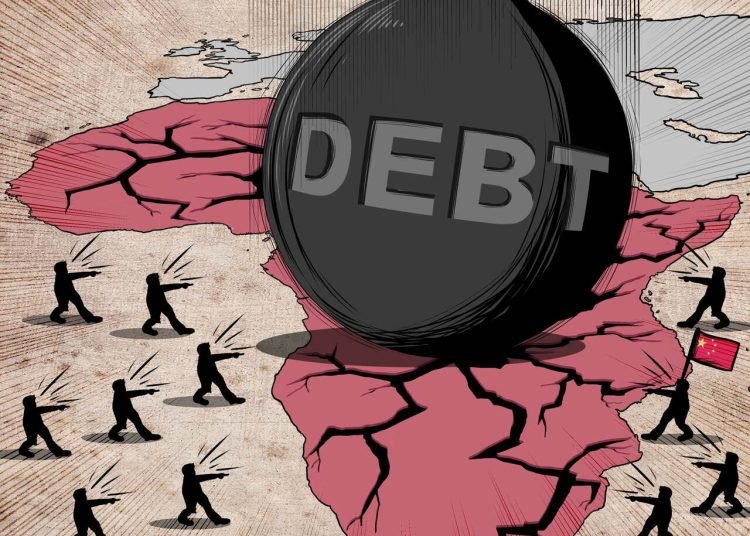
High repayments deepen Africa debt risks despite growth prospects
According to the S&P Global outlook, the total external debt repayments expected in 2026 are more than triple the levels seen in 2012, underscoring the rising burden of external obligations on sovereign finances. A significant share of these repayments — nearly one-third — is attributable to a small group of large economies, including Egypt, Angola, South Africa, and Nigeria. In Kenya’s case, the agency noted that near-term external liquidity risks have eased, supported by strong coffee export earnings and robust diaspora remittances that have helped build foreign exchange reserves to record levels. These factors have shortened the country’s current account deficit and improved liquidity buffers.
Nevertheless, the broader picture of Africa debt risks remains stark. Many countries still face structurally weak revenue mobilization, narrow tax bases, and heavy reliance on external commercial financing. In Kenya, S&P highlighted that the government may continue to rely on costlier domestic borrowing and external commercial facilities, keeping interest costs elevated at more than 30 percent of government revenue, which can crowd out development spending. The ratings agency also stressed that social and political pressures — particularly in the context of upcoming elections in several African countries — could complicate fiscal consolidation efforts and delay access to concessional financing from multilateral partners such as the IMF and World Bank.
You Might Also Like: The Painful Truth Behind Why Kenyans Are Still Broke Despite Stable Inflation
Despite these concerns, average sovereign credit ratings across Africa have climbed to their highest level since 2020, reflecting progress in some areas. This improvement is partly due to reforms, enhanced liquidity, and debt restructuring agreements; however, S&P notes that sustaining this trend will require deeper structural reforms and revenue-enhancing policies.
Growth prospects, while relatively strong — with average real GDP growth projected near 4.5 percent in 2026 — are uneven and sensitive to global commodity price shifts. For instance, lower oil prices could weaken fiscal balances for some exporters, while stronger non-oil commodity prices may benefit others. The S&P outlook underscores a persistent fiscal tightrope for African policymakers: balancing investment in growth drivers while managing increasing obligations on debt repayments. Without effective reforms, Africa debt risks could constrain long-term development and limit the fiscal space available for essential services and infrastructure investments.
Related Posts
Previous Post
Next Post