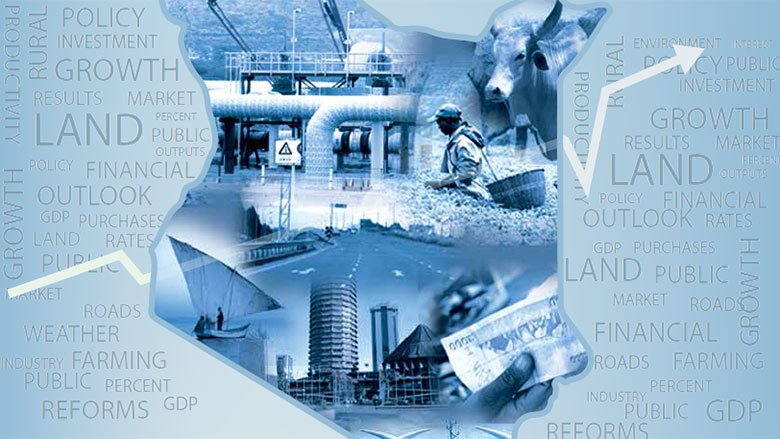
Kenya’s economy is walking a tightrope between steady growth and rising debt pressures, with the coming years set to determine whether fiscal reforms translate into sustainable prosperity or deeper financial strain.
Kenya’s economy is walking a tightrope between steady growth and rising debt pressures, with the coming years set to determine whether fiscal reforms translate into sustainable prosperity or deeper financial strain.
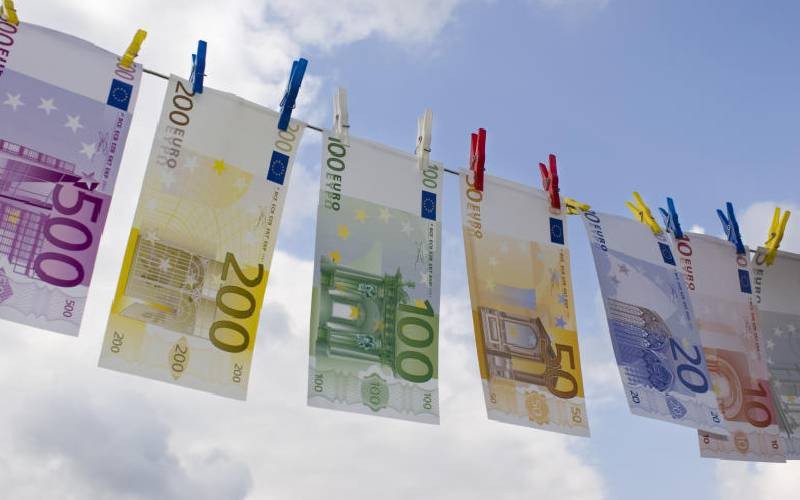
Kenya’s push to escape the Financial Action Task Force (FATF) grey list by May 2026 promises lower borrowing costs, easier foreign investment, and a boost to economic growth, strained by

The PAYE proposal signals a strategic policy shift toward income relief for lower earners, but its long-term sustainability will depend on balancing household support with fiscal discipline.

Why Kenyans Are Still Broke Despite Stable Inflation is becoming one of the most pressing economic questions in Kenya today.
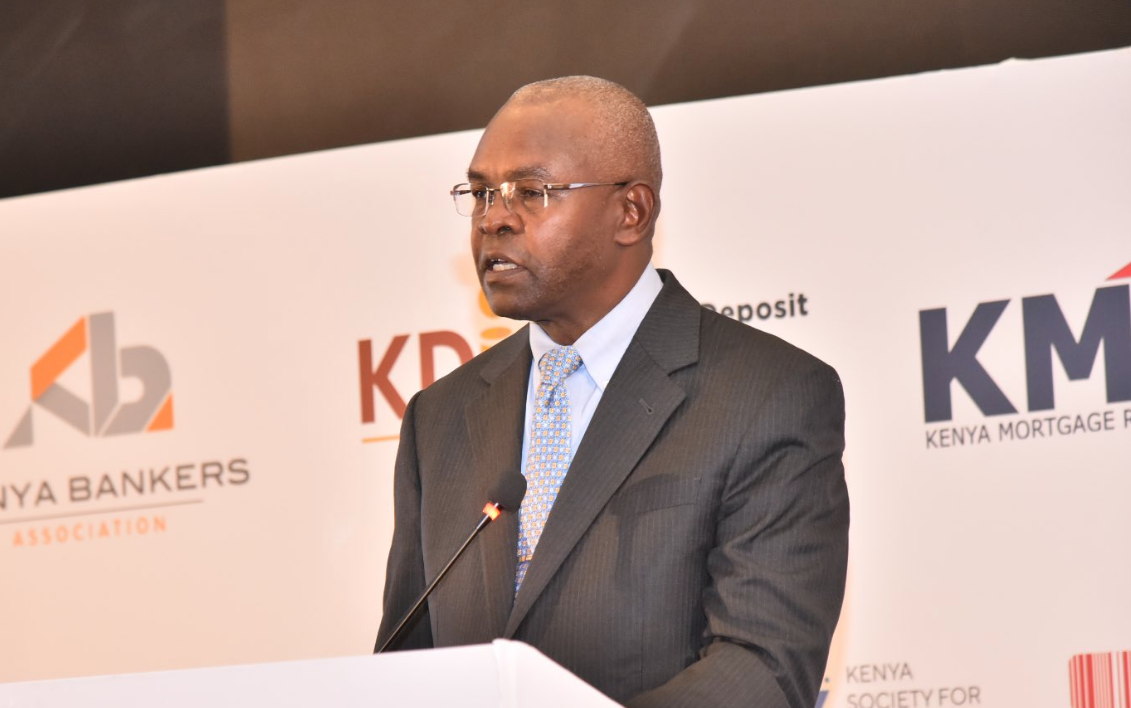
CBK has cut its benchmark rate to 8.75% to boost lending, support economic growth, and maintain stable inflation.
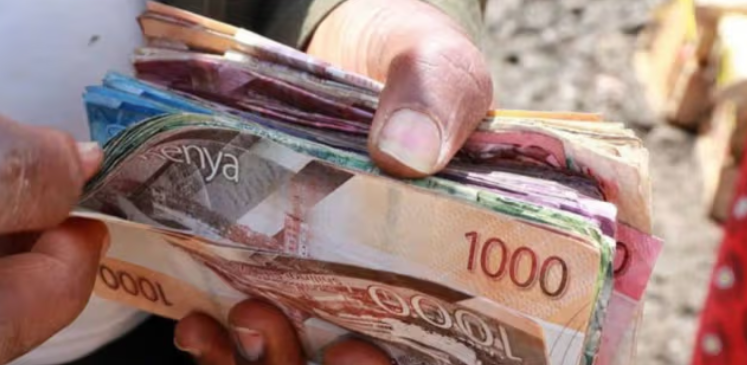
Kenya is among Africa’s most affected economies by illicit financial flows, losing more than $47.4 billion through trade-related leakages.
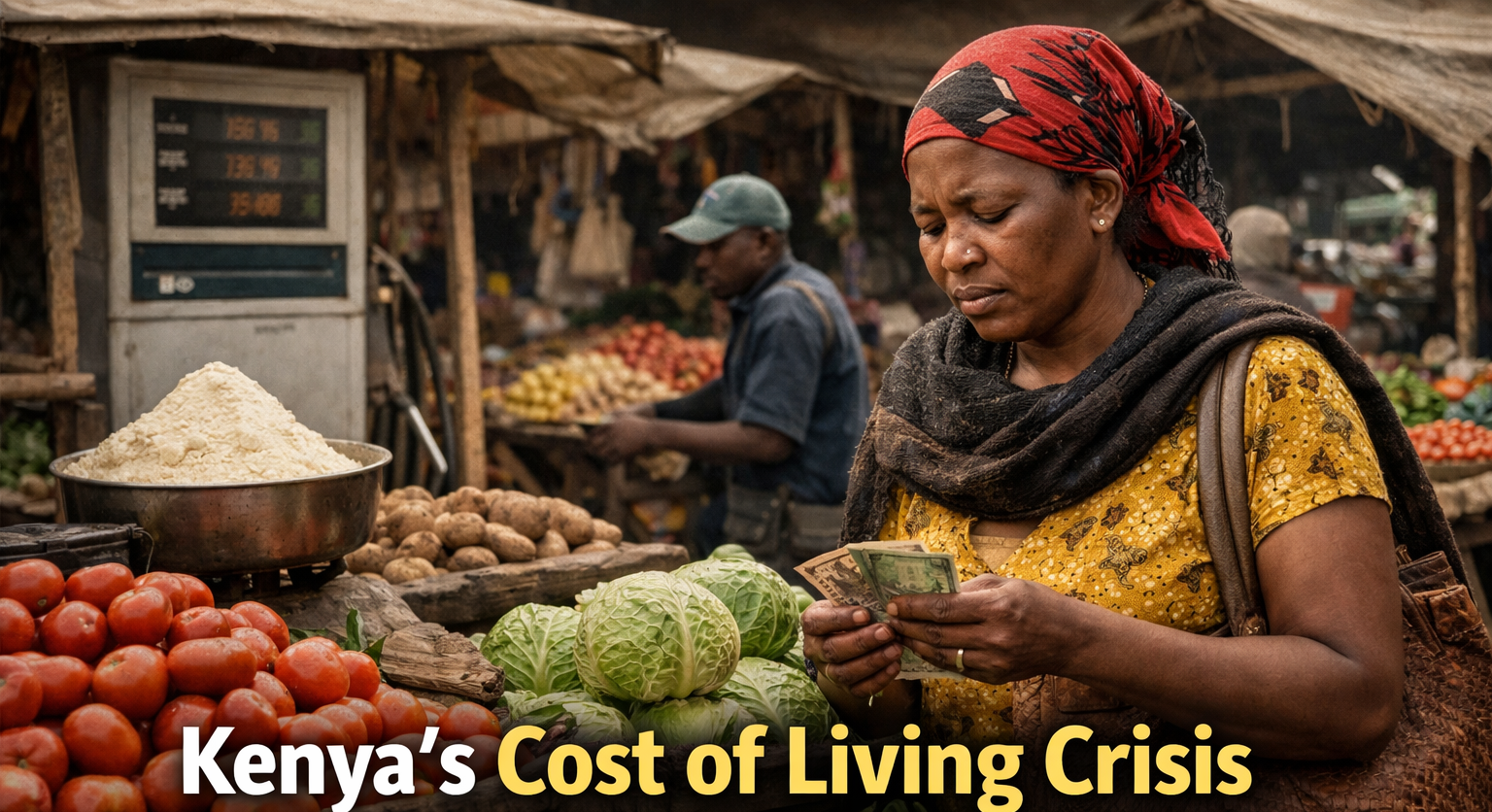
Despite falling headline inflation, Kenyan households continue to struggle as soaring food, transport, and housing costs outpace stagnant incomes, keeping the cost of living stubbornly high.
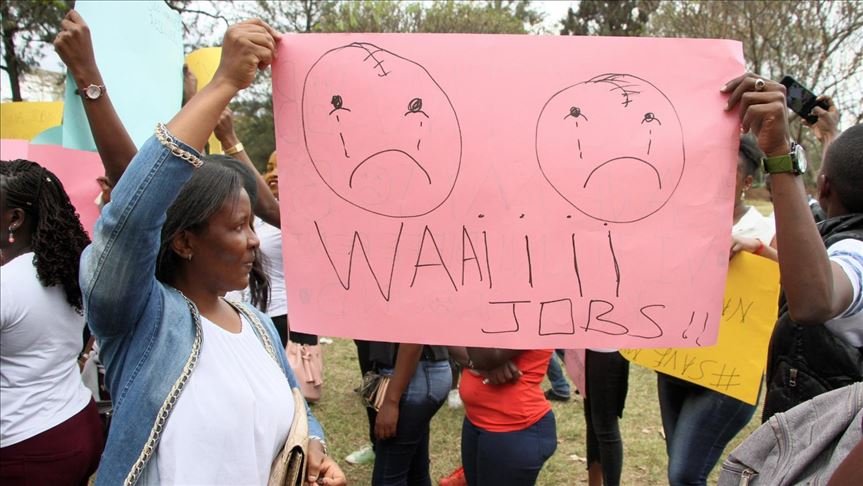
Kenya’s economy is growing, but rigid regulations, skills mismatches, and a high-cost business environment continue to perpetuate job scarcity, with most new workers trapped in informal employment.
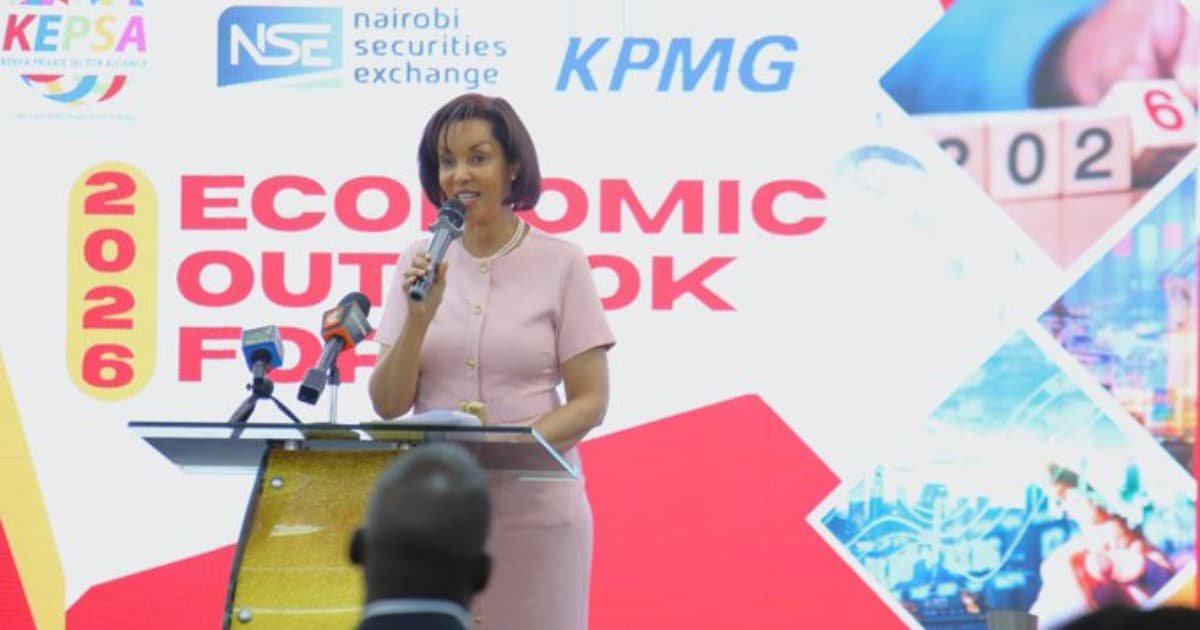
Kenya’s economic growth is set at 4.9–5.2% in 2026, supported by stable inflation.

Kenya’s high crime ranking shows how illicit markets are reshaping economic risk and investor confidence.