Now Reading: Tanzania Targets 8,000MW Power Capacity by 2030, Strengthens Energy Ties With Kenya and Ethiopia
-
01
Tanzania Targets 8,000MW Power Capacity by 2030, Strengthens Energy Ties With Kenya and Ethiopia
Tanzania Targets 8,000MW Power Capacity by 2030, Strengthens Energy Ties With Kenya and Ethiopia

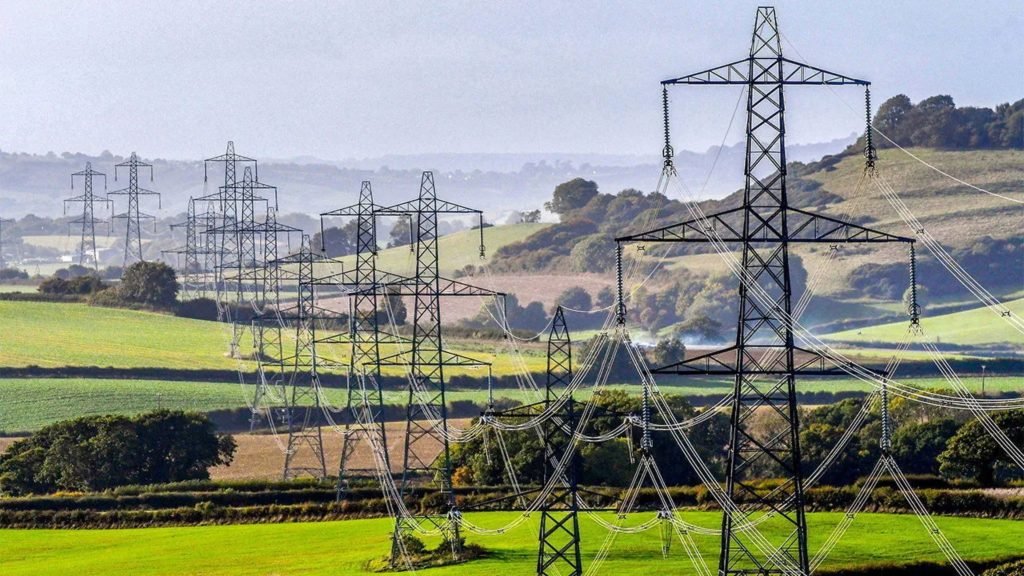

Tanzania is accelerating its push to become a regional energy powerhouse, with the government reaffirming plans to raise installed electricity generation capacity to 8,000 megawatts (MW) by 2030, nearly double current levels and powering 75% of the country.
The country is actively increasing local generation while strengthening regional integration and partnerships, such as importing 100MW of electricity from Ethiopia via Kenya’s transmission infrastructure (KETRACO) to feed its northern regions.
The ambition was underscored this month after Tanzania’s Parliamentary Standing Committee on Energy and Minerals commended Tanzania Electric Supply Company (TANESCO) for lifting national generation capacity to about 4,400 MW, well above current peak demand of roughly 2,100 MW.
Officials say the surplus creates room not only for domestic industrial growth but also for electricity exports within the East African region.
Speaking during an oversight visit to key energy infrastructure in Dar es Salaam, Committee chairperson Subira Mgalu said the focus must now shift from generation to transmission and access, particularly in industrial corridors and mining zones that underpin Tanzania’s industrialisation drive.
“Our next priority is ensuring electricity reaches end users efficiently, especially in productive sectors. Stable power is essential for industrial growth and job creation,” Mgalu said.
At the centre of Tanzania’s long-term strategy is a diversified energy mix combining hydropower, natural gas, renewables and regional power trade.
Flagship projects such as the Julius Nyerere Hydropower Project, alongside gas-fired plants at Kinyerezi, have significantly expanded supply and reduced outages, according to TANESCO.
Regional integration: Ethiopia and Kenya’s role
As Tanzania builds surplus capacity, regional interconnection has become a strategic pillar. Kenya plays a critical role through existing and planned cross-border transmission links under the Eastern Africa Power Pool (EAPP) framework, which allows countries to trade electricity and stabilise supply during demand shocks.
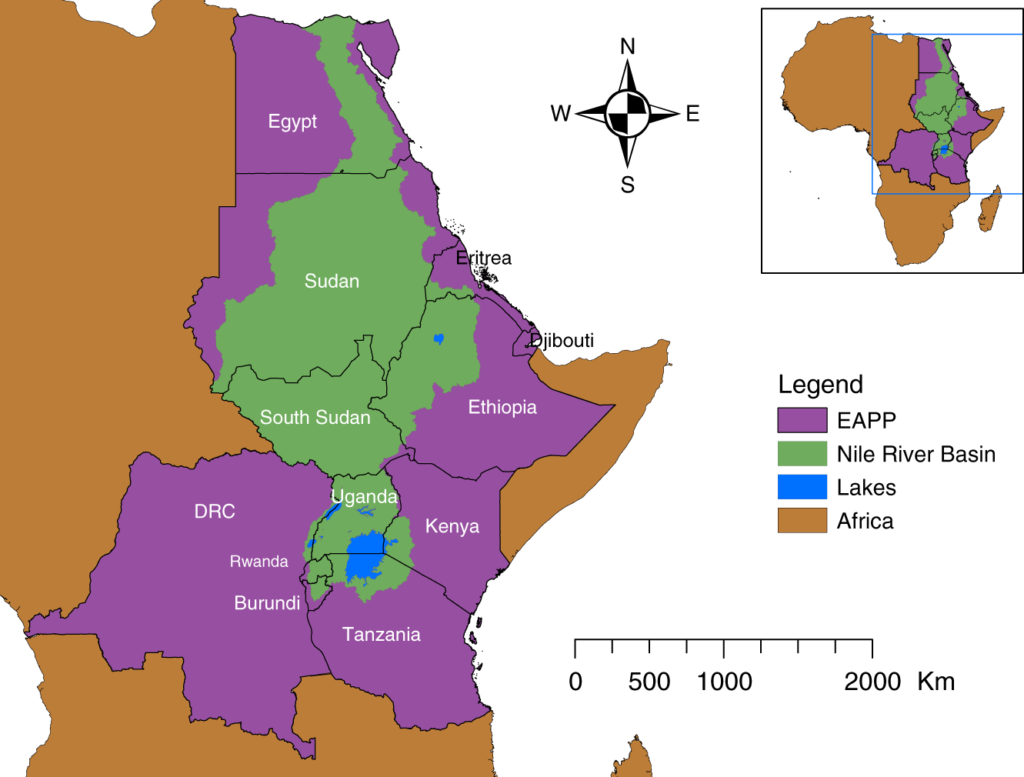
Kenya and Tanzania already cooperate on power infrastructure, including high-voltage transmission lines designed to enable bilateral electricity exchange.
For example, the 400kV Kenya-Tanzania Power Interconnection Line, which cost approximately $309.26 million, allows for bidirectional power trading and enhances reliability and access to affordable clean energy.
Ethiopia is also a pivotal player in East Africa’s power landscape, leveraging surplus hydropower, anchored by the Grand Ethiopian Renaissance Dam, to export electricity through the regional grid.
Under the EAPP, Ethiopia already supplies power to neighbours, including Kenya, and is expected to deepen cross-border trade, thereby reinforcing regional energy security and supporting industrial growth across the Horn of Africa.
Access, affordability and clean energy
Alongside big-ticket infrastructure, Tanzania is pursuing universal access through grid expansion and off-grid solutions.
The government has committed to keeping electricity tariffs stable, with officials confirming that consumer electricity costs have not increased for a decade despite rising equipment and infrastructure costs.
The national electrification rate has reached about 52 per cent, with a target of 75 per cent by 2030 under the Energy Compact signed at the 2025 African Heads of State Summit.
Rural electrification remains a priority. An excellent example would be the 2025 one-year contract with PowerHut Renewables to light up four Lake Victoria islands with clean solar energy.
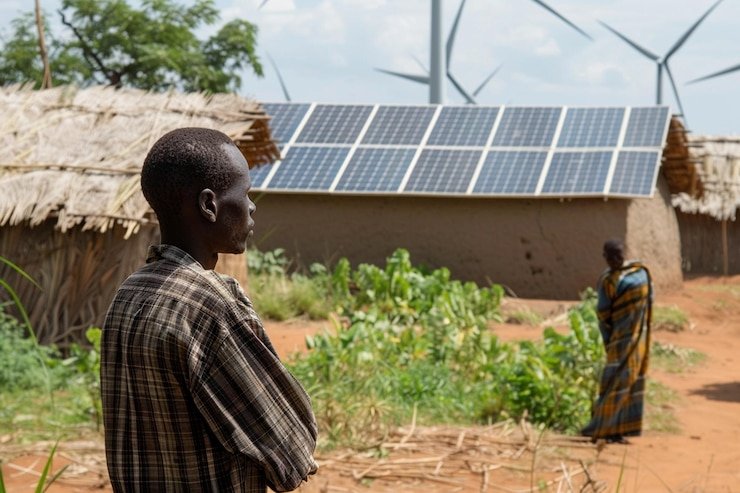
These off-grid spots now give families, schools, and clinics reliable electricity.
The CEO, Dr Prosper Magali, says locals feel “optimistic and relieved,” tying into national goals for affordable energy that boosts health, education, and small businesses.
Industrial ambitions
With demand expected to rise sharply from manufacturing, mining and transport electrification, the government projects annual connections of about 1.7 million new customers.
By 2030, Tanzania aims not only to meet domestic needs but to position itself as a net power exporter in East Africa, supplying neighbours such as Kenya, Uganda and Rwanda during peak periods.
Overall, the growing partnership offers access to competitively priced power, enhanced grid stability and a stronger regional energy market for all involved players.
Locally, this reinforces Tanzania’s vision of energy-led growth, where surplus electricity powers factories at home while earning foreign exchange across borders.
Also Read: Kenya Power Posts Ksh 10.4bn Profit, Raises Interim Dividend by 50% – Business News
Related Posts


Previous Post
Next Post