Now Reading: What to Know Before Investing Through Safaricom’s Ziidi Trader-Expert Tips and Warnings for First-Timers
-
01
What to Know Before Investing Through Safaricom’s Ziidi Trader-Expert Tips and Warnings for First-Timers
What to Know Before Investing Through Safaricom’s Ziidi Trader-Expert Tips and Warnings for First-Timers



Safaricom’s Ziidi Trader has opened the doors of Kenya’s capital markets to millions of M-PESA users by allowing them to buy and sell Nairobi Securities Exchange (NSE) shares directly through their mobile wallets, but financial analysts and investment experts warn that simplicity doesn’t eliminate risk and that first-time investors should be prepared before diving in.
Launched in February 2026 and embedded in the M-PESA app, Ziidi Trader aims to democratise stock market access by removing the need for traditional brokerage accounts, Central Depository System (CDS) registration, and paperwork that have long kept ordinary Kenyans out of share trading.
The platform lets users track prices, buy and sell shares, and monitor portfolios all within the familiar interface they already use for daily money transactions.
However, experts say there are a few key things investors should understand before using the service.
1. Shares Can Lose Value – Not Just Gain
“Just because trading is easy doesn’t mean it’s easy money,” says Sue Njuguna, a finance educator and YouTuber behind the ‘Study of Wealth’ channel.
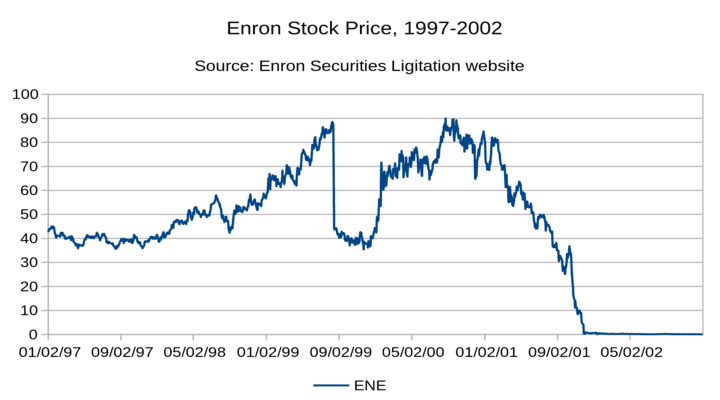
Shares rise and fall daily based on a company’s performance, economic conditions, interest rates, investor sentiment, and even global events.
When you buy a share, you are not guaranteed a profit. If the company underperforms or the broader market declines, the value of your investment can decline, sometimes rapidly.
For new investors, this can be unsettling and may trigger panic selling, locking in losses that could have been temporary.
The analyst also highlights the impact of fees and trading costs. Even small charges matter. If you buy and later sell a share, brokerage fees, statutory levies, and platform charges can add up.
This means your investment must grow enough to cover these costs before you make any real profit. For short-term traders, fees can quietly eat into gains or turn a small profit into a loss.
Market volatility is another key risk. Prices can swing sharply in response to earnings announcements or news, often faster than beginners expect.
Without a clear plan and basic understanding of how markets work, investors may buy at high prices during excitement and sell low during fear.
The takeaway is simple: Ziidi Trader makes investing more accessible, but it does not make it risk-free. Understanding that shares can lose value is the first step toward becoming a more disciplined and confident investor.
2. Your Ownership Structure Is Slightly Different
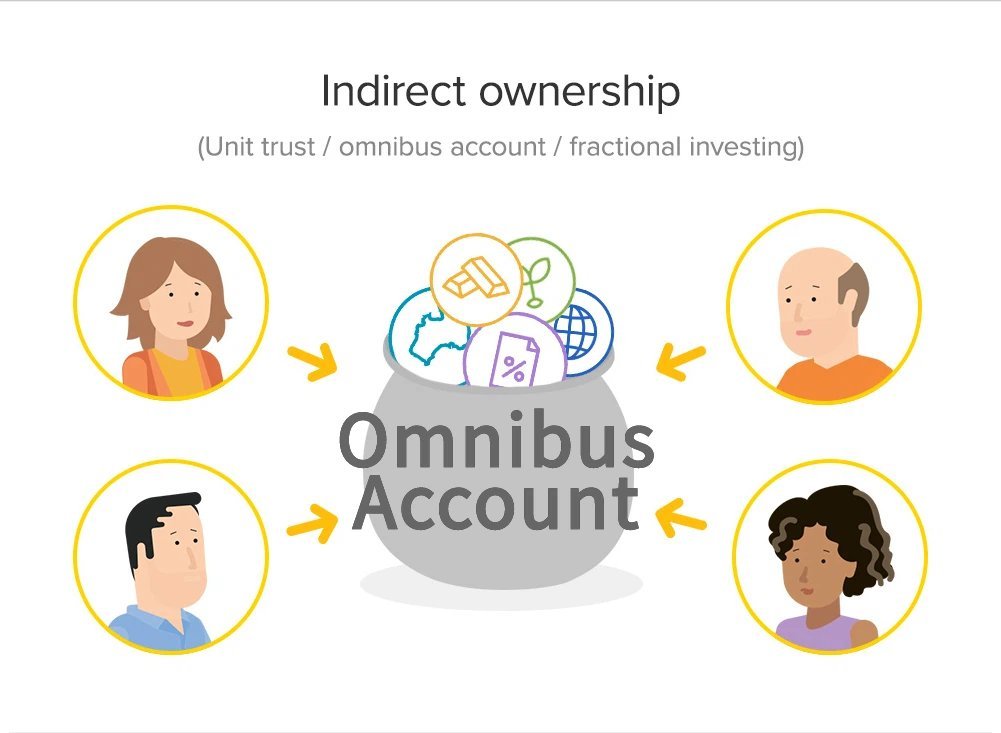
Unlike traditional stockbroking, where shares are held directly in your own Central Depository System (CDS) account, Ziidi Trader uses an omnibus account structure.
This means many investors’ trades are pooled into a single account that is managed by a licensed broker, such as Kestrel Capital. The approach simplifies onboarding and reduces paperwork, which is why it works well on a mobile platform, but it also changes how ownership works.
Under an omnibus structure, shares are not recorded individually under each investor’s name at the CDS level.
Instead, the broker holds them on behalf of all users, while internal records track how many shares belong to each person.
For everyday trading, this makes little difference, but it matters for investors who want to fully understand their rights.
One implication is that shareholder voting rights may not be exercised directly by individual investors in the same way as with personal CDS accounts.
In most cases, voting is handled through the broker or platform, which can limit how actively small investors participate in company decisions.
There are also questions around what happens if a broker were to fail.
While regulations require segregation of client assets, protections may not be identical to those of individually held CDS accounts.
“Trading via an omnibus structure isn’t inherently bad,” says the YouTube finance educator Good Joseph, behind the ‘Study of Wealth’ channel, but investors need to know what they do and don’t own directly.”
For first-time investors, the key lesson is awareness: convenience comes with trade-offs, and understanding the structure helps you make informed decisions.
3. Educate Yourself – Don’t Trade Blindly

Most market analysts agree that investor education matters more than convenience, especially as mobile platforms like Ziidi Trader make share trading faster and easier.
Simplified access does not remove the need to understand how markets work, and going in without basic knowledge increases the risk of avoidable losses.
Common knowledge holds that many first-time investors confuse trading with gambling. You should know that buying a share without understanding why you are buying it leaves you vulnerable to hype, rumours, and emotional decisions when prices fluctuate.
Before investing, beginners should learn a few core concepts in detail and how they apply to trading, meaning that taking an online class or reading to familiarize yourself could be imperative.
These include terms like dividends, payments companies make to shareholders from profits and capital gains, which come from selling shares at a higher price than you paid.
Both matter, but not all companies pay dividends, and share prices do not rise in a straight line, hence the need for comprehensive education.
you shoukd alsos understand that risk is unavoidable, and higher potential returns usually come with higher uncertainty.
Luckily, Ziidi Trader provides a series of built-in tools such as watchlists and price alerts, which are best used for tracking patterns before committing money. Others include;
- Real-time market prices
- Portfolio tracking
- Watchlists and alerts
- Direct settlement through M-PESA wallets
Tracking a stock for weeks, for instance, may help you understand its price patterns and how it reacts to news. These features can help new investors stay informed and respond to market changes without leaving the comfort of the M-PESA interface.
Most importantly, markets fall as well as rise. Patience, basic research, and realistic expectations help investors avoid panic selling and make more disciplined decisions over time.
4. Start Small and Manage Risk
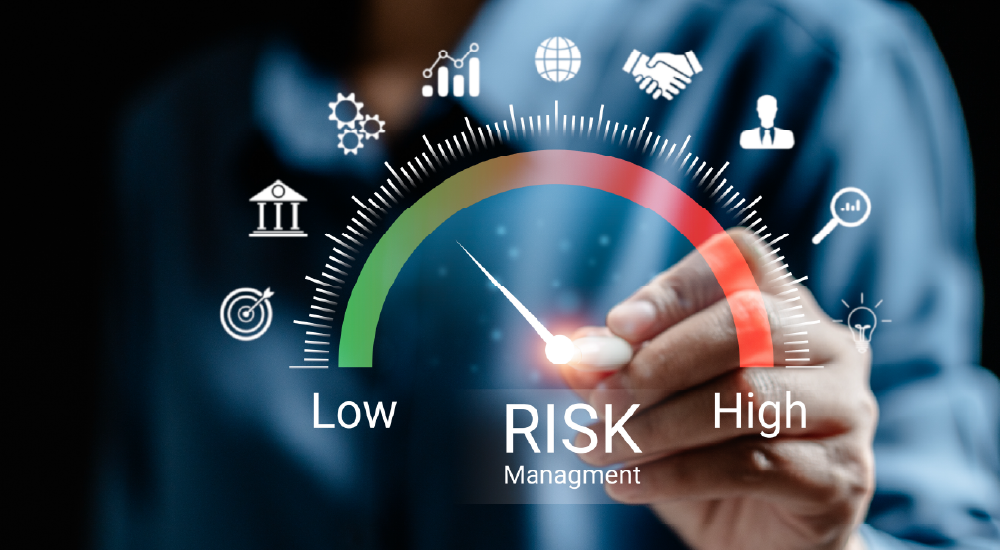
Experts’ practical tips for first-time investors include:
- Start with a small amount you can afford to lose, especially if you’re learning.
- Diversify instead of putting all your money into one stock.
- Beware of “FOMO” or the fear of missing out; buying because others are buying can lead to losses.
- Set clear goals: Are you investing for long-term growth or short-term trading?
A common rule of thumb shared by seasoned investors is to only allocate a portion of your savings to equities and avoid using emergency funds for share trading.
Bottom Line: Convenience Isn’t A Guarantee
Safaricom’s launch of Ziidi Trader represents a milestone in Kenya’s financial inclusion journey by bringing stock trading into the everyday lives of millions.
President William Ruto said the initiative breaks down barriers that have long excluded ordinary citizens from share ownership.
But convenience doesn’t remove risk. Investors-especially first-timers-still need to educate themselves, understand what they own, manage costs, and be prepared for volatility.
With thoughtful investing and realistic expectations, Ziidi Trader could be a useful tool for building financial knowledge and wealth, but it’s not a shortcut to guaranteed returns.
Read Also: How M-Pesa’s Ziidi Trader Unlocks NSE Investing for Kenyans – Business News
Previous Post
Next Post