Now Reading: World Bank Warns 44% of Kenya’s Economy Anchors on Environmental Sustainability
-
01
World Bank Warns 44% of Kenya’s Economy Anchors on Environmental Sustainability
World Bank Warns 44% of Kenya’s Economy Anchors on Environmental Sustainability

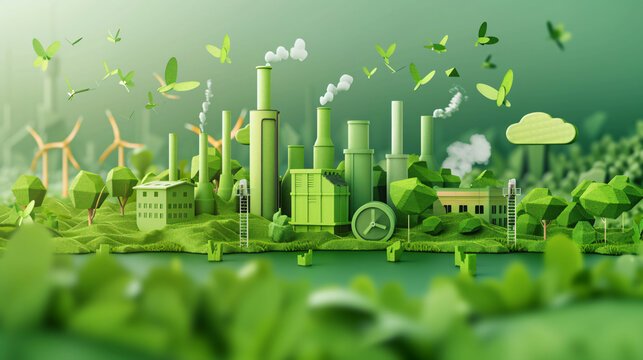

Kenya’s economy is increasingly exposed to environmental shocks, with nearly half of its output tied to natural systems that are rapidly deteriorating, a new World Bank report shows.
The study, Nature’s Bottom Line: The Economic and Financial Costs of Ecosystem Degradation in Kenya, finds that about 44 per cent of the country’s GDP comes from sectors highly dependent on ecosystem services, including agriculture, construction and real estate.
The findings underscore growing concern that climate change, deforestation and unsustainable land use are no longer just environmental issues but direct threats to economic stability.
“The exposure to nature physical risks varies significantly across different geographies and sectors, with 18 per cent of Kenya’s GDP originating from counties at high risk of ecosystem degradation, of enabling ecosystem services,” the report states, warning that environmental degradation is already translating into losses such as falling crop yields and unreliable water supply.
Water risk at centre of economic pressure
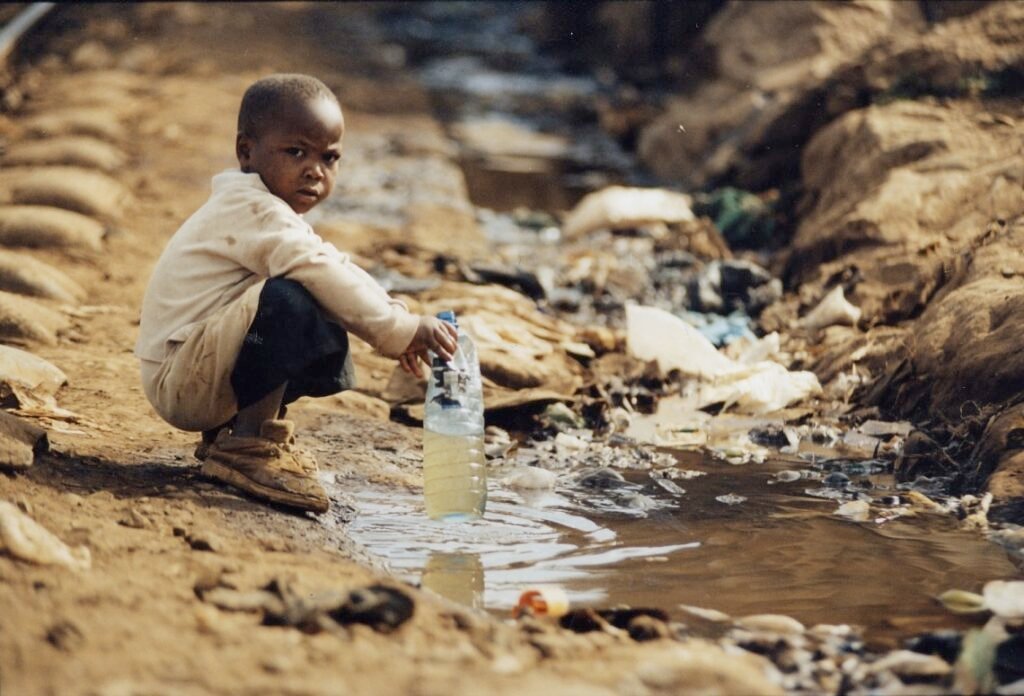
The World Bank identifies water systems as the most immediate pressure point for the economy, with industries heavily reliant on consistent supply for production and operations.
Water-related ecosystem services, such as clean water provision, flood control and water flow regulation, are under strain from deforestation and changing land use patterns. These disruptions are increasing supply risks for both agriculture and industry.
The report warns that Kenya is already experiencing “economic water scarcity,” where available resources are not fully utilised due to weak infrastructure and management systems.
Rising demand driven by population growth, urbanisation and irrigation is expected to intensify the strain, raising the risk of production disruptions across key sectors.
Export sectors and growth engines exposed
Beyond domestic pressures, the report highlights emerging risks to Kenya’s export-driven economy.
Sectors that significantly impact the environment, led by agriculture, account for around 68 per cent of GDP, making them vulnerable to tightening global sustainability standards and shifting market expectations.
This creates potential trade risks as international buyers increasingly impose environmental requirements on supply chains.
At the same time, environmental degradation continues to erode the natural systems that underpin these industries, compounding both physical and regulatory risks.
Financial system not insulated
The report also flags growing exposure within the financial sector, as banks and lenders are indirectly tied to nature-dependent industries through their loan portfolios.
Environmental shocks affecting agriculture, real estate and manufacturing could increase default risks, weaken asset values and disrupt broader financial stability.
Nature-related risks, the report notes, can transmit through the economy into the financial system via reduced productivity, rising costs and declining revenues across affected sectors.
Call for policy shift and green investment
The World Bank is urging coordinated action across government, industry and financial institutions to integrate natural capital into economic planning.
Key recommendations include scaling up green finance, improving risk assessment systems and promoting conservation-driven investments to reduce exposure.
The report positions environmental sustainability as a core economic issue, warning that failure to address ecosystem degradation could undermine Kenya’s long-term growth prospects.
“Sustaining nature is sustaining Kenya’s economy,” the World Bank said, as it called for stronger alignment between environmental management and economic policy.
Related Posts


Previous Post
Next Post