Britam has launched an AI motor claims service that settles insurance claims in just two hours.
Britam has launched an AI motor claims service that settles insurance claims in just two hours.
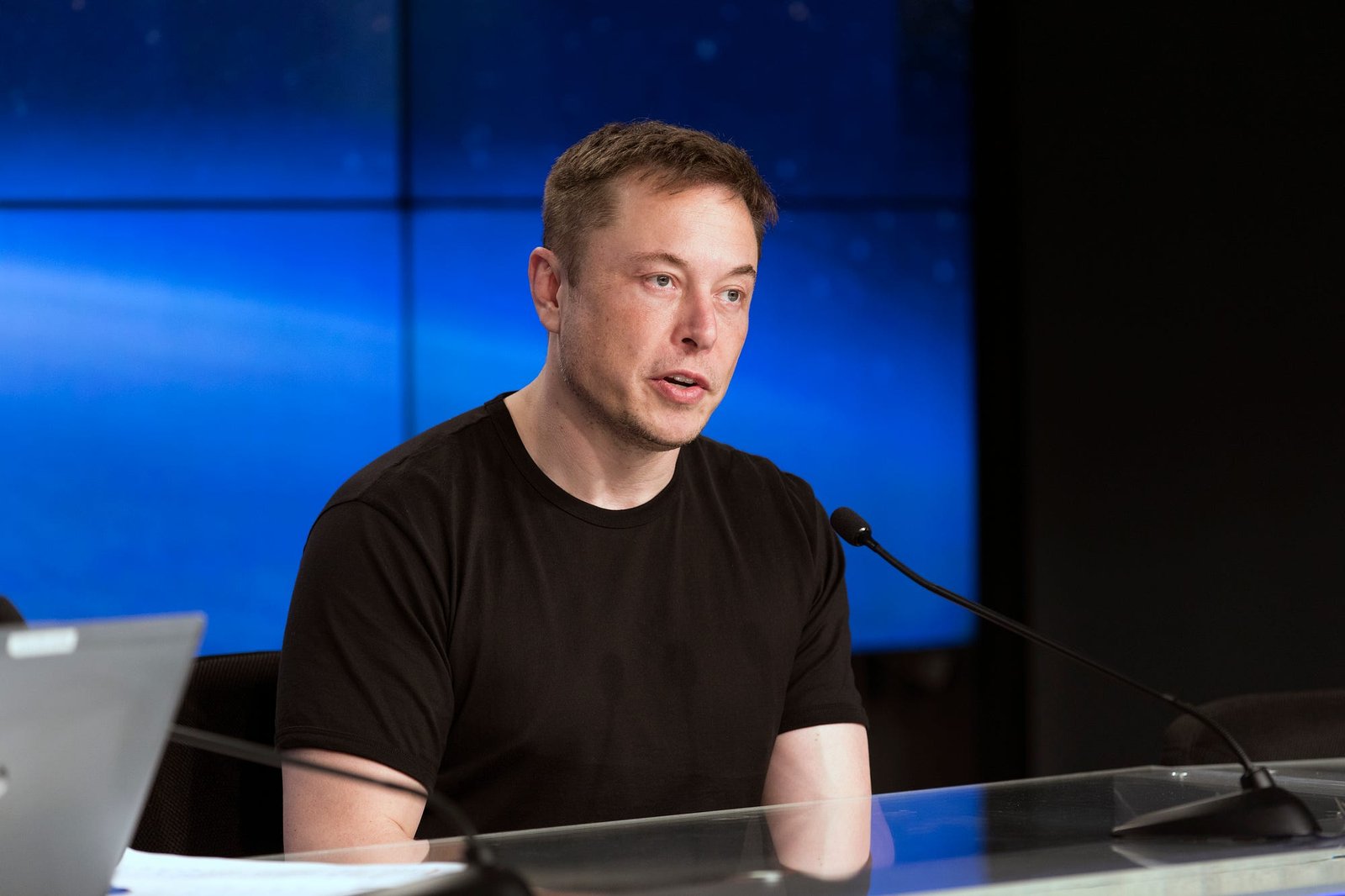
This viral compilation brings together 50 of the world’s most influential entrepreneurs, delivering sharp, no-nonsense business wisdom drawn from real experience. From Jeff Bezos and Steve Jobs to Elon Musk,

M-Pesa’s Ziidi Trader is transforming stock investing by allowing Kenyans to buy and sell NSE shares directly from their phones with minimal barriers.
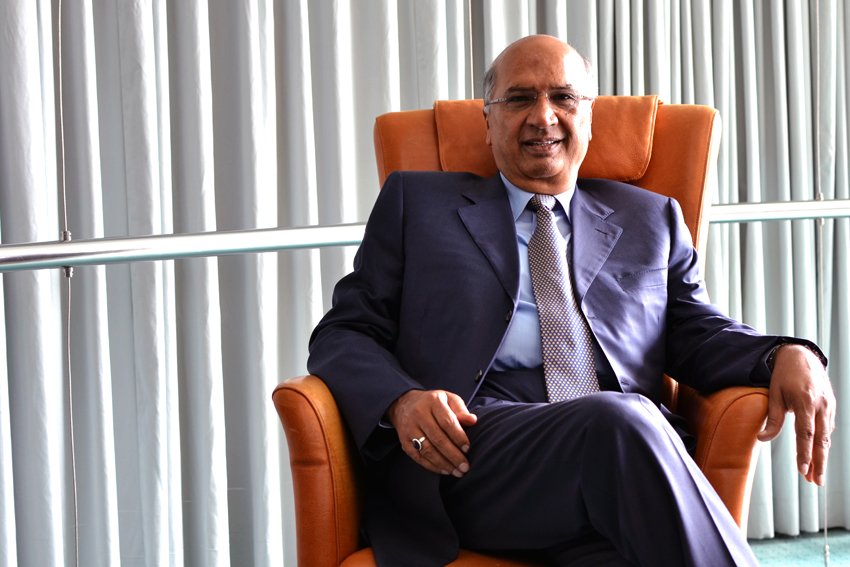
He rarely seeks the spotlight, yet his influence runs through Nairobi’s skyline, the tea fields of Kenya, and the balance sheets of listed companies — Sameer Naushad Merali is quietly steering one of East Africa’s most formidable business empires.

Ziidi Trader is catalyzing a fundamental shift in Kenya’s capital markets by lowering entry barriers, boosting liquidity and unlocking sustained retail participation at historic levels.

The rise of special funds in Kenya reflects an effort by the government to address specific development priorities more effectively.

The group attributed the profit decline to elevated claims across motor, medical, fire, and group life business lines, combined with a normalisation of investment returns following exceptional equity market performance in 2024.
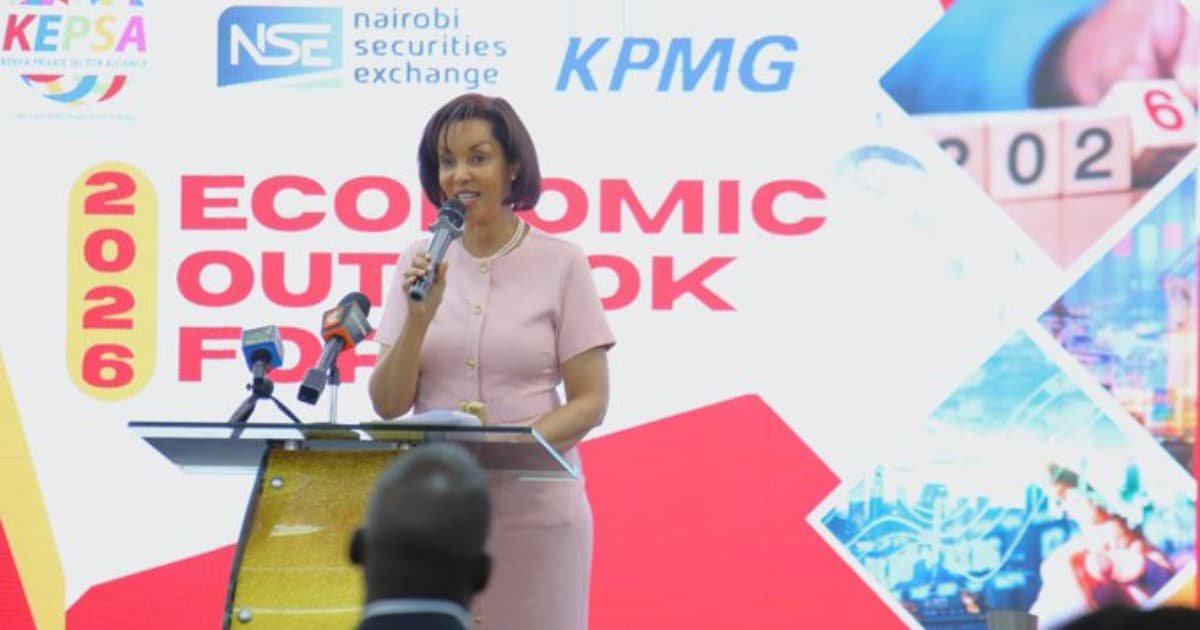
Kenya’s economic growth is set at 4.9–5.2% in 2026, supported by stable inflation.
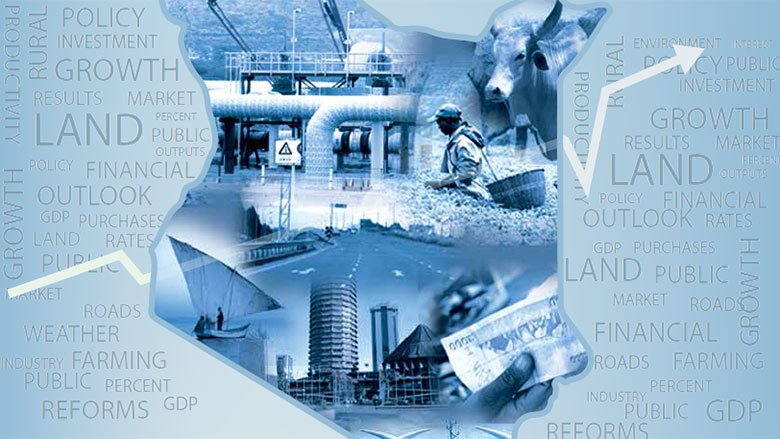
Kenya’s economy is walking a tightrope between steady growth and rising debt pressures, with the coming years set to determine whether fiscal reforms translate into sustainable prosperity or deeper financial strain.
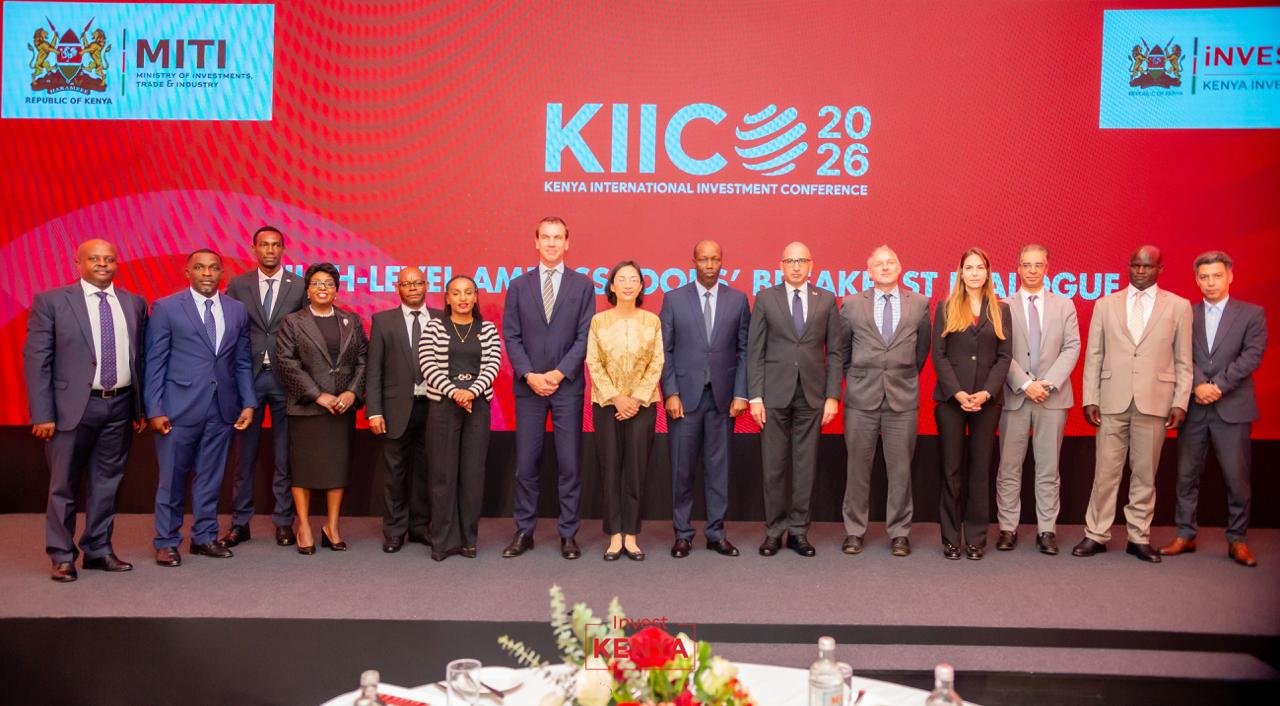
Kenya's big investment conference KIICO 2026 comes to Nairobi March 25-27, inviting 500 global business leaders to pour over $2 billion into local factories, farms, tech jobs, and green energy projects.