Now Reading: Why Kenya Must Turn Creative Talent into Economic Power
-
01
Why Kenya Must Turn Creative Talent into Economic Power

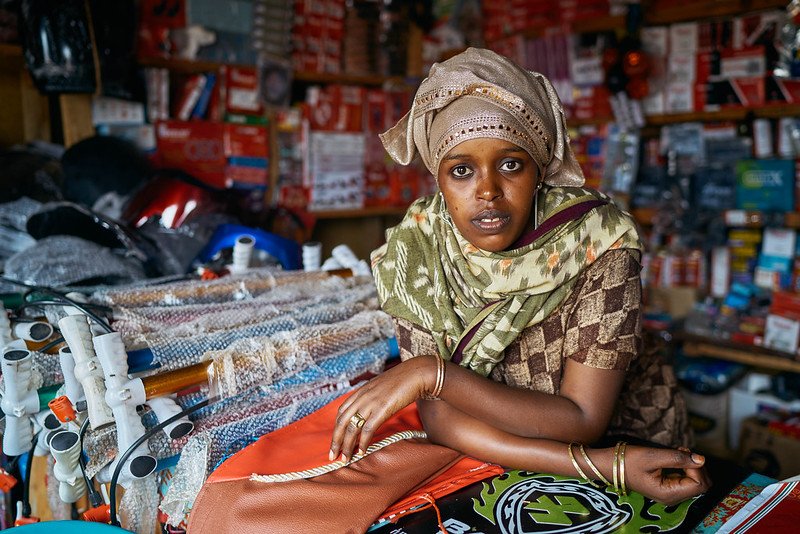

Kenya’s creative industries are bursting with talent, energy and global appeal. From fashion designers in Nairobi and Kisumu to artisans in Machakos and coastal creatives redefining textile and beadwork traditions, Kenyan creativity continues to shape culture at home and influence trends beyond its borders. Yet despite this vibrancy, the creative economy remains underleveraged. Passion is plentiful, but sustainable commercial success is not. The missing link is not imagination, but skills, systems and structure.
If Kenya is serious about building inclusive growth, creating jobs for young people and expanding exports beyond traditional sectors, it must treat the creative economy as an economic asset rather than a side hustle. That requires closing the skills gap that keeps too many creatives locked in survival mode instead of scaling into viable businesses.
Talent without business skills cannot compete
Kenyan creatives are often highly skilled in craft but underprepared for entrepreneurship. Many designers and artists learn through informal apprenticeships or self-teaching, which builds creativity but rarely includes training in pricing, accounting, inventory management or market analysis. As a result, businesses struggle to move beyond small, inconsistent sales.
In today’s global marketplace, digital competence is no longer optional. E-commerce platforms, social media marketing and data analytics define who reaches customers and who remains invisible. Yet a significant share of Kenyan creatives lack the skills to build functional online storefronts or use digital tools to track performance. This disconnect limits access to regional and international markets, even when demand exists.
Financial literacy presents another major hurdle. Without proper record keeping and forecasting, creatives cannot demonstrate creditworthiness or attract investment. Banks and investors require structured financial data, but many creative businesses operate informally, making growth capital inaccessible. Until business skills are treated as core creative competencies, talent alone will not deliver scale.

Production constraints weaken global credibility
Beyond business skills, Kenya’s creative sector faces serious production challenges. Global buyers demand consistency, quality and reliable delivery timelines. Many Kenyan designers struggle to meet these standards due to limited access to skilled technical labour, modern machinery and shared production facilities.
Weaknesses in areas such as pattern cutting, finishing and quality control undermine competitiveness. Even designers with strong brand stories can lose opportunities when they cannot guarantee uniform output. In fashion and design, credibility is built not only on creativity but on execution.
These challenges are compounded by trust deficits in digital markets. International customers expect clear branding, reliable fulfilment and consistent quality. Without training in quality assurance, brand management and digital storytelling, Kenyan creatives are effectively asked to compete with global fashion houses while operating with far fewer tools.
Women face the steepest barriers to scale
Any discussion of Kenya’s creative economy must confront the gender reality at its core. Women dominate the sector, particularly in fashion, design and craft-based enterprises. Yet they face disproportionate barriers to growth, from limited access to finance to digital exclusion.
Connectivity costs remain high for many households, and access to mobile internet is uneven. In a sector increasingly dependent on online platforms, this digital divide places women-led enterprises at a structural disadvantage. Time poverty further restricts participation. Caregiving responsibilities, long travel distances and rigid training schedules make it difficult for many women to access skills programmes or production hubs.
As a result, fewer women transition from informal operations into scalable businesses, despite being the backbone of the industry. If Kenya hopes to unlock the full economic potential of its creative sector, inclusion cannot be an afterthought. Training models must be flexible, affordable and designed around real constraints faced by women entrepreneurs.
Policy and partnerships must do the heavy lifting
Kenya’s creative economy will not scale through individual effort alone. It requires deliberate policy choices and coordinated partnerships between government, the private sector and development institutions. While there has been growing recognition of the creative industries, support remains fragmented and under-resourced.
First, Kenya needs certified vocational pathways that formalise creative skills. Recognised certification builds credibility, supports access to finance and transforms informal talent into bankable economic assets. Equally important is intellectual property education. Creatives must be equipped to protect their work, while institutions strengthen enforcement mechanisms to prevent exploitation.
Second, investment in shared production infrastructure is essential. Regional hubs equipped with modern machinery and staffed by skilled technicians would allow designers to meet quality and scale requirements without prohibitive upfront costs. Public–private partnerships can play a central role in financing and managing these facilities.
Finally, skills development must be aligned with market realities. Generic entrepreneurship programmes are not enough. Training must reflect the specific needs of fashion, design and digital creative businesses, from export readiness to brand positioning and supply chain management.
An opportunity Kenya cannot afford to miss
Turning Kenyan creativity into commercial success is not a cultural luxury. It is an economic necessity. The creative sector offers a rare combination of youth employment, women’s empowerment and export potential. With the right skills ecosystem, Kenya could position itself as a regional hub for fashion, design and cultural production.
The talent already exists. What has been missing are the systems that allow that talent to thrive. By closing the skills gap, investing in infrastructure and embedding inclusion at the heart of policy, Kenya can finally ensure that its creative brilliance translates into lasting economic value.
Previous Post
Next Post