Now Reading: Kenya’s Middle Class Is Shrinking — And We’re Pretending It Isn’t
-
01
Kenya’s Middle Class Is Shrinking — And We’re Pretending It Isn’t

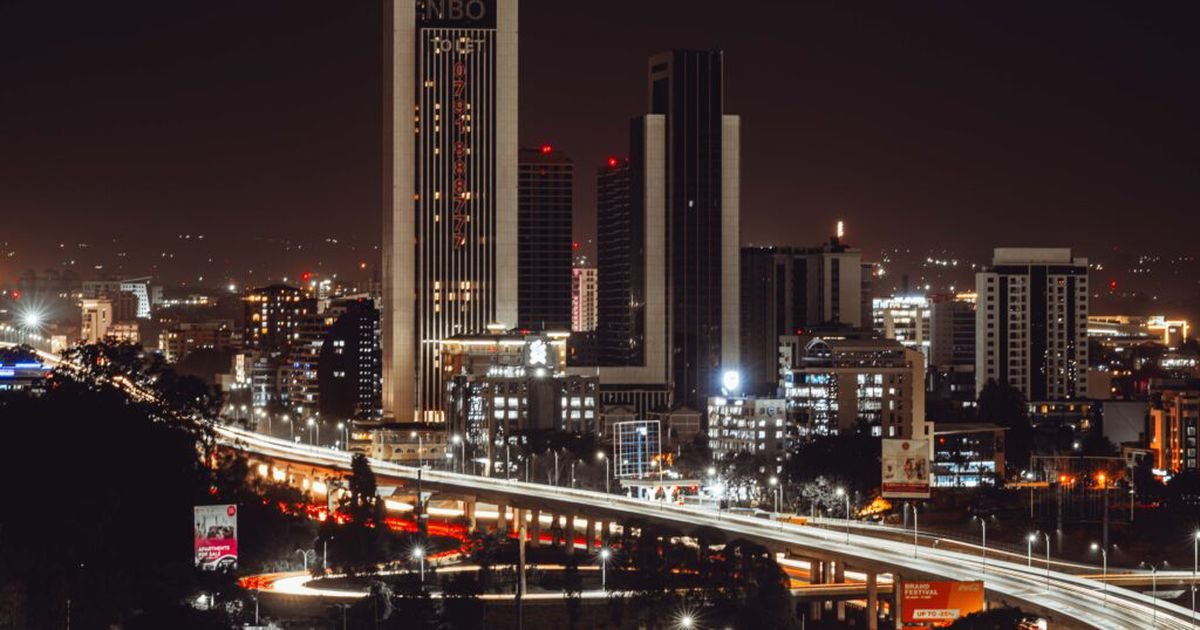


Kenya’s macroeconomic story often sounds triumphant. GDP growth projections dominate headlines. Infrastructure projects signal ambition. Financial reforms promise discipline. Yet beneath these optimistic indicators lies a more uncomfortable reality: the Kenyan middle class is under strain, and its erosion may quietly redefine the country’s economic future.
The middle class has long functioned as the engine of domestic consumption, mortgage uptake, private education, health insurance penetration, and small business formation. It is also the most visible taxpayer base. However, rising statutory deductions, VAT adjustments, increased fuel levies, and escalating food prices have significantly narrowed disposable income.
According to Nairobi-based financial analyst Miriam Kilonzo, “When taxation outpaces income growth, households begin cutting investment first — and consumption later. That shift slows an economy from within.” Her words reflect what many salaried Kenyans already feel at the end of each month.
Taxation Without Breathing Space
Recent fiscal reforms have aimed at expanding revenue collection to manage debt obligations and fund public services. In principle, broadening the tax base is fiscally responsible. In practice, layered taxation on fuel, housing, digital services, and everyday goods has placed disproportionate pressure on salaried professionals and SME owners.
A teacher in Kiambu, who requested anonymity, described her monthly budgeting exercise as “a negotiation between dignity and survival.” Mortgage payments remain fixed, school fees are rising, and health insurance premiums have increased. Meanwhile, take-home pay has not adjusted proportionately.
The danger here is structural. When middle-income earners shift from asset accumulation to short-term liquidity management, savings decline. Long-term investments stall. The ripple effect touches banking, real estate, retail, and insurance sectors simultaneously.
Nairobi’s Affordability Crisis
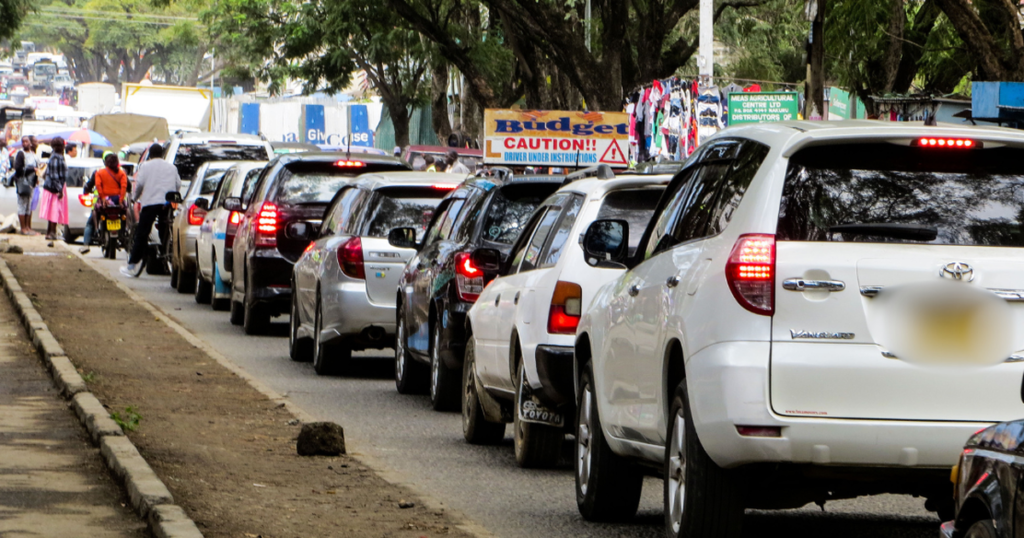
The capital city, once aspirational for upward mobility, is fast becoming unaffordable for its own workforce. Rent in key neighbourhoods continues to rise. Commuting costs consume a growing share of monthly earnings. Private schooling — once seen as a middle-class norm — is increasingly out of reach.
Urban economist Dr. Paul Otieno observes that “When a city becomes unaffordable to its productive population, you begin to see productivity decline and informalization rise.” In simple terms, professionals begin opting out of formal structures, sometimes returning to informal enterprise or relocating to peri-urban zones.
This movement reduces urban tax contribution and weakens formal economic structures. It is not dramatic. It is gradual. But it is consequential.
The Consumption Slowdown No One Is Naming
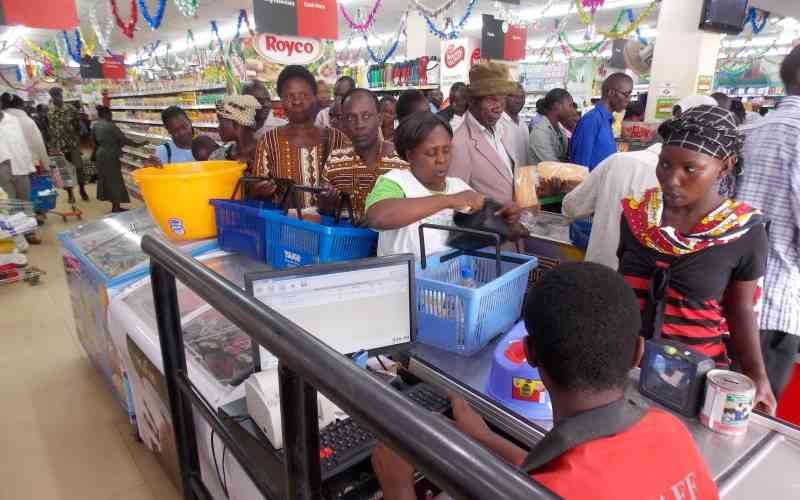
Retail data and anecdotal reports from supermarket chains suggest shifts in consumer behavior. Shoppers are downsizing brands, purchasing in smaller quantities, and delaying non-essential spending. Electronics purchases, new vehicle acquisitions, and property upgrades are slowing.
An SME owner in Nakuru explains, “My clients are still employed. They just buy less. They ask for discounts more. They negotiate longer.” That subtle change reveals something larger: the psychology of caution has replaced the psychology of growth.
Economies depend not just on income but on confidence. When households fear instability, they preserve cash. When that becomes widespread, aggregate demand softens.
Why This Conversation Matters
The middle class is more than a demographic label. It is a stabilizing political and economic force. It finances development through taxes. It anchors private sector expansion. It sustains credit markets.
If current pressures persist without income growth reforms, productivity incentives, or meaningful SME support, Kenya risks hollowing out this crucial segment. A polarized economy — composed of a small wealthy elite and a large vulnerable population — cannot sustain long-term inclusive growth.
The conversation must move beyond revenue targets to resilience building. Policy must ask not only how much can be collected, but how much households can realistically sustain without retreating from formal participation.
Growth figures may look steady on paper. But the lived economy tells a quieter, more fragile story.
Also Read: Why Sameer Naushad Merali Is Considered One of Kenya’s Richest and Most Strategic Business Titans

Previous Post
Next Post