Now Reading: Tax changes are forcing Kenyan businesses to rethink investment
-
01
Tax changes are forcing Kenyan businesses to rethink investment
Tax changes are forcing Kenyan businesses to rethink investment



Kenyan businesses are facing a tax dilemma that goes beyond how much they pay to the government. The bigger issue is whether companies can predict the rules well enough to make investments that take years to recover. Tax predictability in Kenya is increasingly becoming a business-cost issue as SMEs make decisions on machinery, loans, leases, and hiring against a constantly changing fiscal environment. At the same time, businesses themselves are under pressure to strengthen governance, separate personal and company finances and maintain records that can withstand increasingly sophisticated scrutiny from the Kenya Revenue Authority (KRA).
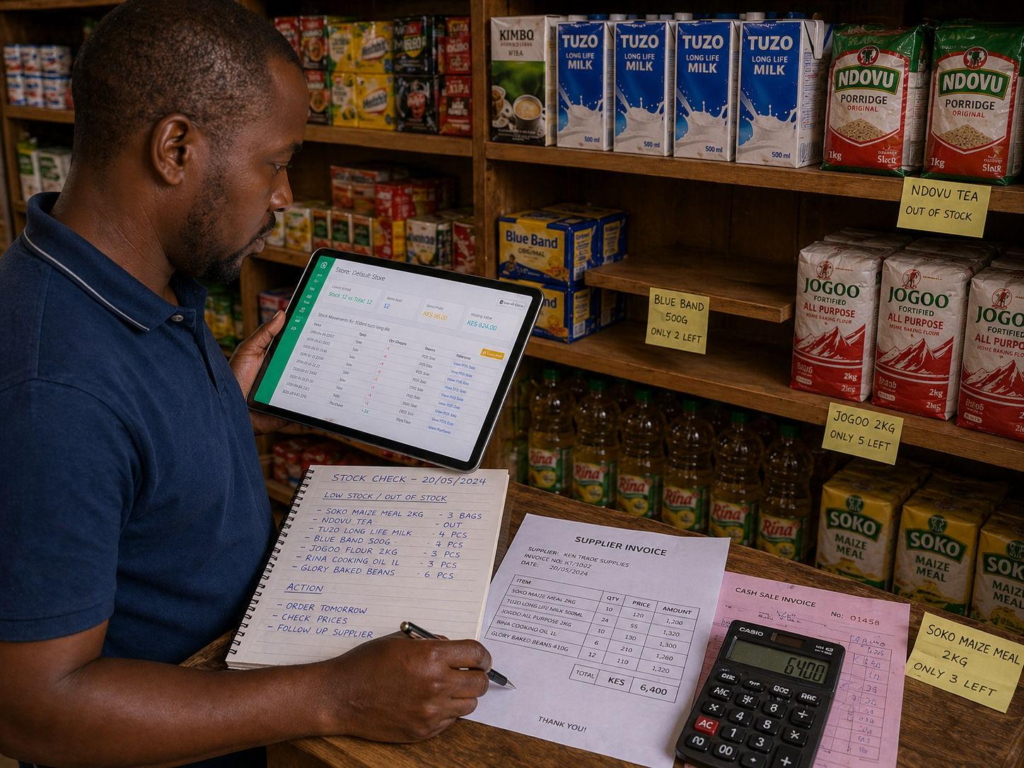
Tax predictability in Kenya could determine whether SMEs invest or wait
For a growing company, taxation is embedded in almost every major investment decision. A manufacturer buying machinery, an entrepreneur taking a five-year bank facility or a company signing a long-term lease must estimate future costs before committing capital. When major tax rates, thresholds, or business rules change frequently, those calculations become harder and investment decisions become more conservative.
Analysts argue that Kenya should consider a Five-Year National Tax Stability Framework, under which core tax rates, tax bases, thresholds, and major business-tax rules would provide greater certainty, while allowing narrowly defined exceptions for emergencies, court decisions, treaty obligations and serious anti-avoidance measures.
The case for greater tax predictability in Kenya is particularly strong for SMEs because uncertainty can affect access to credit. The weighted average commercial-bank lending rate stood at 14.39 per cent in July 2026, meaning businesses already face significant financing costs before accounting for unexpected changes in taxation.
When future cash flows become harder to forecast, lenders may demand additional collateral, price loans more aggressively, or reduce the amount they are willing to advance. For an entrepreneur deciding whether to add a production line or hire more workers, that uncertainty can make waiting appear safer than investing.

Tax predictability in Kenya must be matched by stronger business governance
Greater certainty from government, however, cannot replace discipline inside businesses. Many tax problems originate from weak governance rather than deliberate evasion. Mixing personal and company finances, undocumented director transactions, poorly supported expenses, and informal approval processes can leave otherwise viable businesses exposed when KRA audits their records.
That makes tax predictability in Kenya a two-sided responsibility. Government needs to provide clearer and more stable rules, while businesses must build systems capable of demonstrating compliance. Written expense policies, proper payroll treatment, reconciled accounts, eTIMS records, and clear separation of personal and corporate transactions can reduce both tax exposure and operational leakage.
The stakes extend beyond individual companies. Kenya’s 2026 Economic Survey reported that wage employment grew by only 2.8 per cent in 2025, while informal-sector employment reached about 18.1 million people. The challenge is therefore not merely to create economic activity, but to help businesses scale enough to generate more formal and sustainable jobs.
A predictable tax environment could support that transition by giving businesses greater confidence to borrow, invest, and expand. But the private sector also needs to become more effective at influencing policy. Instead of waiting for Finance Bills before raising concerns, business associations, and companies can provide quantified evidence showing how proposed taxes affect prices, working capital, investment and employment.
The objective should not be a tax system that is simply “friendly” to business. Kenya needs one that is credible, enforceable, and predictable.
Tax collection remains essential for funding public services and national development. But the most productive tax base is ultimately made up of businesses that are operating, employing people, and expanding—not companies paralyzed by uncertainty or pushed into informality.
For Kenya, the next phase of tax reform should therefore focus on both sides of the equation: businesses must become more disciplined, while government must make the rules stable enough for entrepreneurs to plan beyond the next budget.
Related Posts


Previous Post
Next Post