Now Reading: High aviation taxes put Africa’s connectivity ambitions at risk
-
01
High aviation taxes put Africa’s connectivity ambitions at risk
High aviation taxes put Africa’s connectivity ambitions at risk



Africa’s aviation industry is facing a profitability squeeze just as demand for air travel is expanding, creating a dangerous mismatch between growth and the economics of operating an airline. Aviation costs in Africa are rising through passenger charges, taxes, regulatory fees, expensive fuel, and ageing airport infrastructure, leaving carriers with little room to absorb further increases. The International Air Transport Association (IATA) says governments risk treating aviation primarily as a source of revenue, instead of recognizing its wider contribution to trade, tourism, and investment. At the 10th Africa Aviation Summit in Nairobi, IATA Regional Vice President for Africa and the Middle East Kamil Alawadhi warned that the growing cost burden could weaken airline expansion and make air travel increasingly unaffordable.
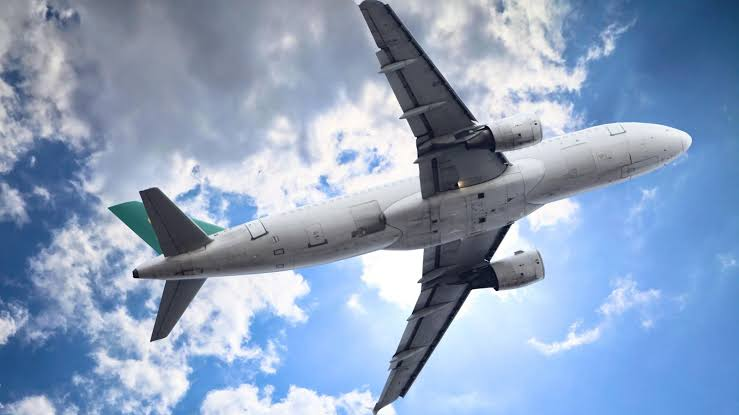
Aviation costs in Africa are eroding already-thin airline margins
The pressure is particularly concerning because African airlines operate on exceptionally narrow margins. According to IATA, African carriers are expected to earn only about $0.40 per passenger in 2026, down sharply from $2.10 in 2025.
That leaves airlines vulnerable to even relatively small increases in operating costs. Alawadhi singled out Advance Passenger Information and Passenger Name Record systems, which some African countries charge passengers and airlines up to $30 per passenger for. He argued that border-security functions should primarily be financed by governments rather than turned into excessive aviation charges.
Other passenger levies are even higher. IATA cited Tanzania, where charges can reach $45 per sector for a one-way journey, while Gabon charges up to $30 and Equatorial Guinea up to $50. Such fees eventually influence ticket prices, potentially discouraging price-sensitive travelers and reducing demand.
For airlines such as Kenya Airways, the implications extend beyond profitability. Higher operating expenses can restrict route expansion, delay fleet investment, and make African carriers less competitive against international airlines with stronger balance sheets.
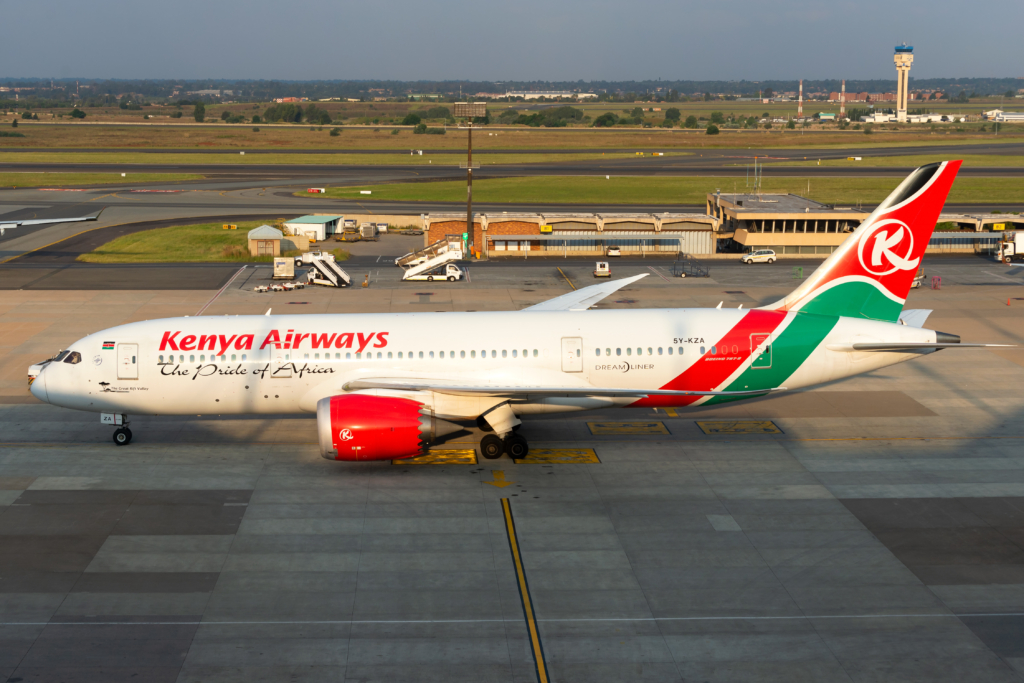
Aviation costs in Africa could undermine tourism and regional trade
The debate over aviation costs therefore has consequences far beyond airlines. Air connectivity supports tourism, business travel, cargo movement, foreign investment, and regional integration. When flying becomes significantly more expensive, the economic impact can spread to hotels, tour operators, exporters, and businesses that depend on rapid movement across borders.
Aviation intelligence consultant Sean Mendis argued that governments should consider the wider economic return from a growing aviation sector rather than focusing exclusively on immediate tax revenue. He pointed to Ghana’s 2017 removal of a 17.5 per cent VAT on domestic airfares as an example of a policy aimed at reducing costs and stimulating demand.
The lesson for African policymakers is increasingly difficult to ignore. A tax imposed on a flight may generate immediate revenue, but a more expensive ticket can reduce passenger numbers and weaken the wider economic activity generated by aviation.
Kenya faces its own cost pressures. Aviation fuel remains subject to 16 per cent VAT, while industry players have argued that high fuel costs and airport operating constraints are making the sector increasingly difficult to sustain. The aviation sector contributes an estimated $1.5 billion to Kenya’s economy and supports tens of thousands of direct and indirect jobs.
The solution is unlikely to be simply removing every tax or levy. Governments still need revenue to finance infrastructure, safety, and public services. But the structure of those charges matters.
If aviation costs in Africa continue rising faster than airline revenues, the continent risks having strong passenger-growth statistics without building financially sustainable carriers.
Africa needs its airlines to become stronger, more competitive, and better connected. That will require professional management, efficient airports, modern infrastructure, and smarter taxation.
The bigger policy question is whether governments want aviation to be a convenient source of revenue—or a strategic engine of economic growth.
Related Posts

Previous Post
Next Post