Now Reading: How Kenya can earn more from exports to Germany
-
01
How Kenya can earn more from exports to Germany

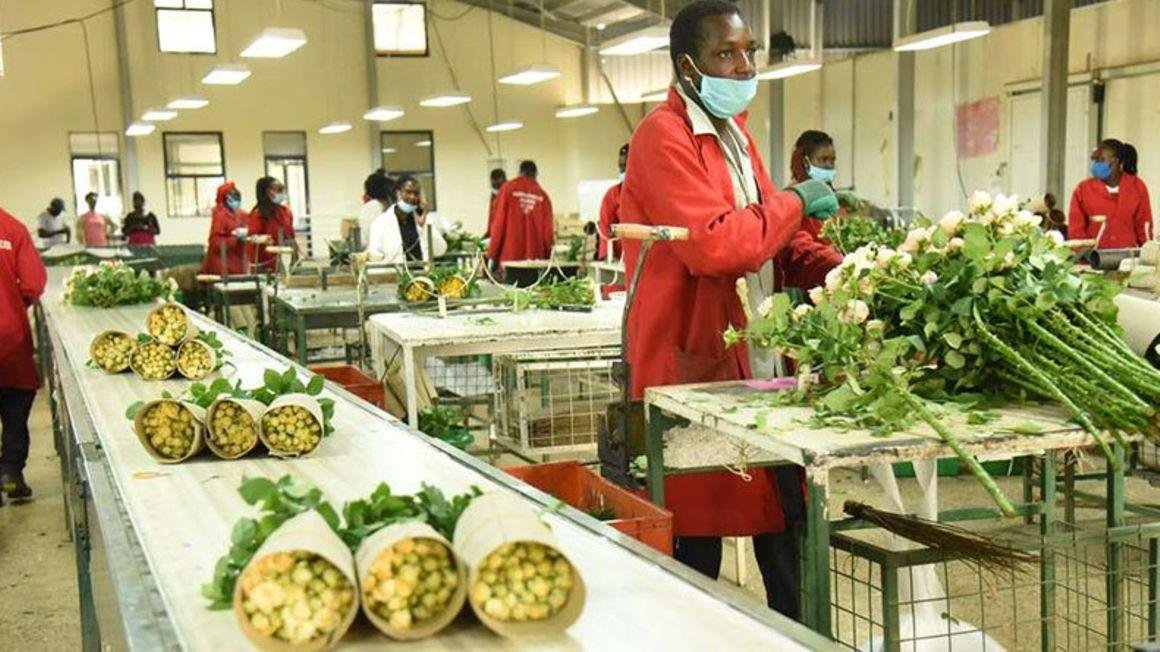

Kenya is looking to turn Germany into a bigger market for its exporters, but the strategy is shifting from simply shipping more products to capturing more value from every shipment. Kenya exports to Germany are being targeted through a new market-linkage programme that will expose 21 local businesses to buyers, training, and partnerships in Mannheim. The exporters come from tea, avocado, herbs and spices, horticulture, agro-processing, and crafts, sectors with significant potential to earn foreign exchange if Kenyan companies move further up the value chain. The push comes as policymakers increasingly recognize that selling raw commodities leaves too much of the economic value of Kenyan products in overseas markets.
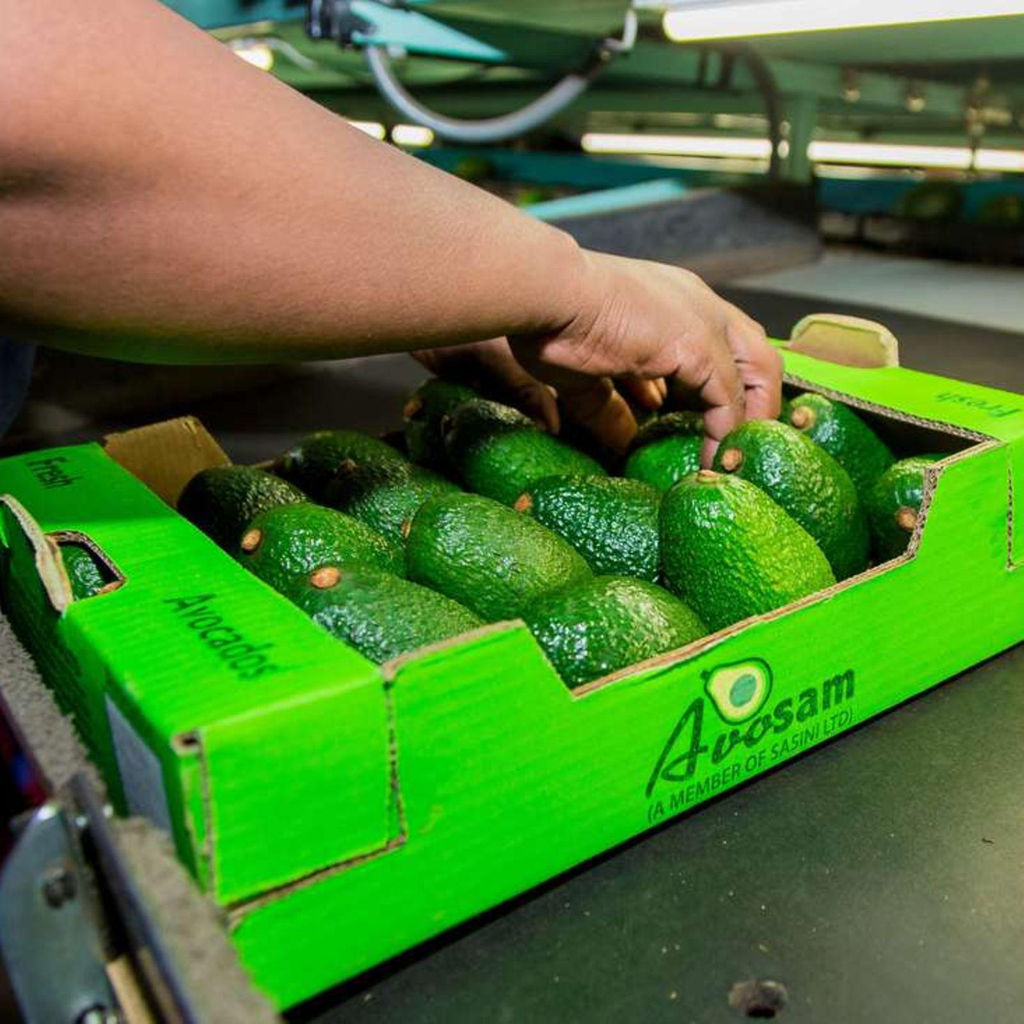
Kenya exports to Germany need more processing and stronger brands
The central challenge facing Kenya exports to Germany is no longer simply market access. It is the ability of Kenyan businesses to compete for the higher margins created through processing, packaging, and branding.
Industry Principal Secretary Juma Mukhwana has urged exporters to move beyond unprocessed products such as coffee and avocados and present goods in forms that communicate their value to consumers. Twenty-one Kenyan exporters selected for the three-week programme in Mannheim will receive market training, participate in business-to-business meetings and develop potential cooperation agreements with German companies.
That approach could matter considerably for small and medium-sized businesses. Access to a European buyer is valuable, but a long-term commercial relationship can be even more important if it provides knowledge about consumer preferences, quality standards, packaging requirements, and pricing.
The opportunity is particularly significant in agriculture. Kenya already has established strengths in horticulture, coffee, tea, and avocado production, but exporting the raw commodity often means Kenyan farmers and processors capture only part of the final retail value.
Moving further into processing could change that equation.
A Kenyan coffee company that exports roasted and branded coffee rather than green beans, for example, can potentially capture revenue from processing, packaging, and brand development in addition to production.
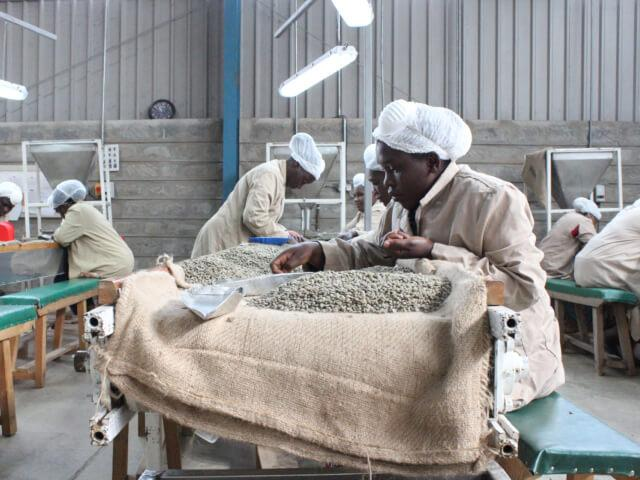
Kenya exports to Germany could benefit from irrigation and value-chain investment
The push to expand Kenya exports to Germany is also being supported by agricultural investment that could strengthen the supply side of the export economy.
Germany has committed support for expanding smallholder irrigation projects across seven counties in western Kenya, building on an existing programme in the Mount Kenya region. Five irrigation projects have already been completed, while two are operational, with the projects covering about 1,300 acres of mainly high-value horticultural production and benefiting 1,540 farmers.
The State Department for Irrigation projects annual farmer incomes from the Mount Kenya programme could rise from Sh12.4 million to Sh45.7 million, illustrating how irrigation can potentially increase both production and household earnings.
See Also: Emirates raises the stakes in Kenya’s aviation market
That matters for exporters because European markets demand consistency. A buyer may want Kenyan avocados, herbs, or vegetables throughout a defined season, but unreliable production makes it difficult for smaller suppliers to maintain contracts.
Irrigation, climate-smart agriculture, and stronger farmer organization can therefore become part of Kenya’s export infrastructure.
The bigger opportunity is to connect all these pieces: reliable production, local processing, quality certification, sophisticated packaging, market intelligence, and direct relationships with overseas buyers.
For Kenya exports to Germany, success will ultimately be measured not only by how much Kenya ships but by how much value remains in the country after those products leave.
If Kenyan businesses can make that transition, Germany could become more than a destination for Kenyan commodities. It could become a market where Kenyan brands, processors, and manufacturers compete for a larger share of the value chain.
Related Posts

Previous Post
Next Post