Now Reading: Kenyan sugar millers demand tighter import controls as competition intensifies
-
01
Kenyan sugar millers demand tighter import controls as competition intensifies
Kenyan sugar millers demand tighter import controls as competition intensifies

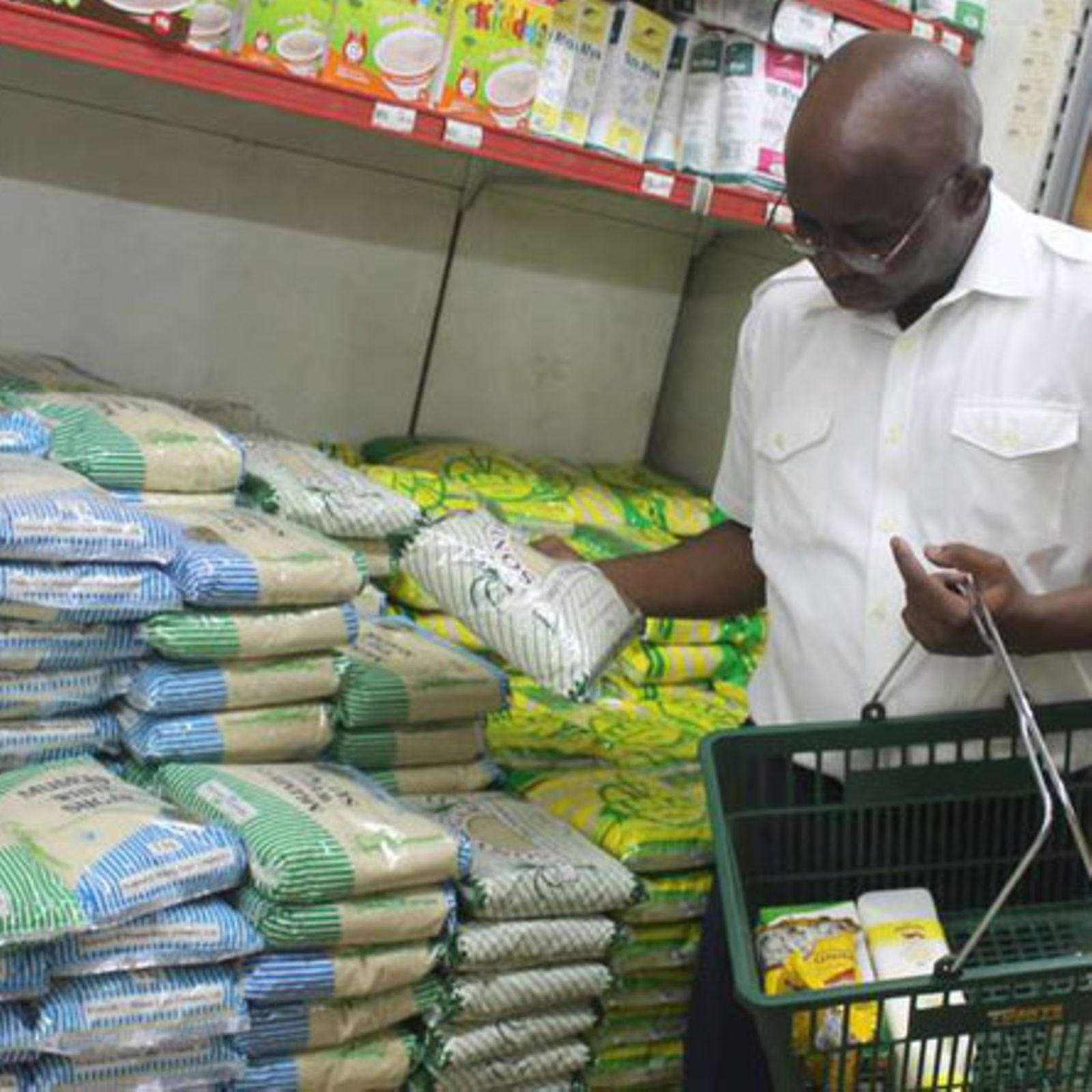

Kenya’s sugar industry is entering another critical phase as local millers push the government to impose tighter controls on imported sugar, warning that poorly timed shipments could undermine a fragile domestic recovery. The demand comes as the country balances two competing priorities: protecting farmers and local factories while ensuring consumers and manufacturers have access to affordable sugar. At a National Assembly inspection of sugar companies in Western Kenya, Butali Sugar Managing Director Sanjay Patel called for imports to be released in batches rather than flooding the market at once. The debate over sugar imports in Kenya is therefore becoming less about whether the country should import and more about when, how much, and for what purpose.

Sugar imports in Kenya put local millers under renewed pressure
Patel told the parliamentary committee that domestic production cannot yet satisfy the country’s entire sugar requirement, but argued that imports need to be structured in a way that allows local producers to compete. He wants millers involved in decisions over the timing, volume, and release of imported sugar, a proposal that would effectively introduce a more coordinated approach to managing supply.
The concern comes against a complicated backdrop. Kenya exited the Common Market for Eastern and Southern Africa sugar safeguard regime in January 2026 after more than two decades of protection from cheaper regional imports. Under the previous arrangement, Kenya could import up to 350,000 tonnes annually from COMESA countries to bridge domestic supply gaps.
Since then, competition has become more immediate. Kenya’s sugar production fell sharply in 2025, with output declining 27.2% to 551,805 tonnes in the first 11 months. Regional suppliers, particularly Uganda and Tanzania, stepped in to fill shortages. Imports from the two countries rose more than sevenfold to Sh6.17 billion in the three months to September 2025.
The industry is now showing signs of recovery. Domestic sugar production increased 35.2% to 437,852 tonnes in the first half of 2026, while cane deliveries rose 36.2% to 4.93 million tonnes. Yet retail prices continued climbing, reaching an average Sh167.41 per kilogram in July from Sh164.35 in April.
Sugar imports in Kenya expose the bigger productivity challenge
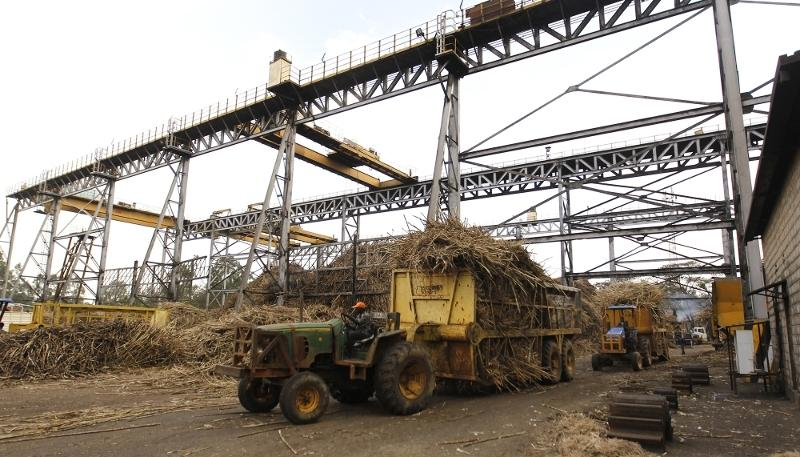
The argument from millers is therefore not simply protectionism. Kenya’s sugar sector supports more than 350,000 predominantly smallholder farmers across 15 counties and provides livelihoods to an estimated nine million people, according to the Kenya Sugar Board. The industry produced 815,454 tonnes in 2024, but still faced a deficit of roughly 30% against national consumption of 1.14 million tonnes.
Mumias Sugar Operations Manager Stephen Kihumba offered a more balanced assessment during the parliamentary inspection, saying imports help regulate and balance prices while still calling for tighter controls. The distinction is important: eliminating imports altogether could create shortages and push prices higher, while uncontrolled imports could weaken local producers and discourage investment in cane farming and milling.
That tension is already visible in the treatment of industrial sugar. In July, 17 Kenyan firms were cleared to import nearly 100,000 tonnes of industrial sugar under the EAC duty-remission scheme, reflecting demand from manufacturers producing beverages, confectionery, and other products. Such imports serve a different economic function from table sugar entering the consumer market and therefore require careful monitoring rather than a blanket approach.
The government has already tightened the policy environment. The Finance Act 2026 raised excise duty on imported sugar from Sh7.50 to Sh40 per kilogram, while the Kenya Sugar Directorate subsequently halted new sugar import licenses after the Agriculture Ministry argued that domestic production had become sufficient to meet demand.
For local millers, however, the next test is productivity. Protection can provide breathing room, but it cannot permanently compensate for high production costs, ageing equipment or inadequate cane supply. The leasing of four State-owned factories to private operators was intended to bring capital and operational expertise into the sector, while the Kenya Sugar Board is targeting higher cane productivity and more efficient milling as part of the industry’s transformation.
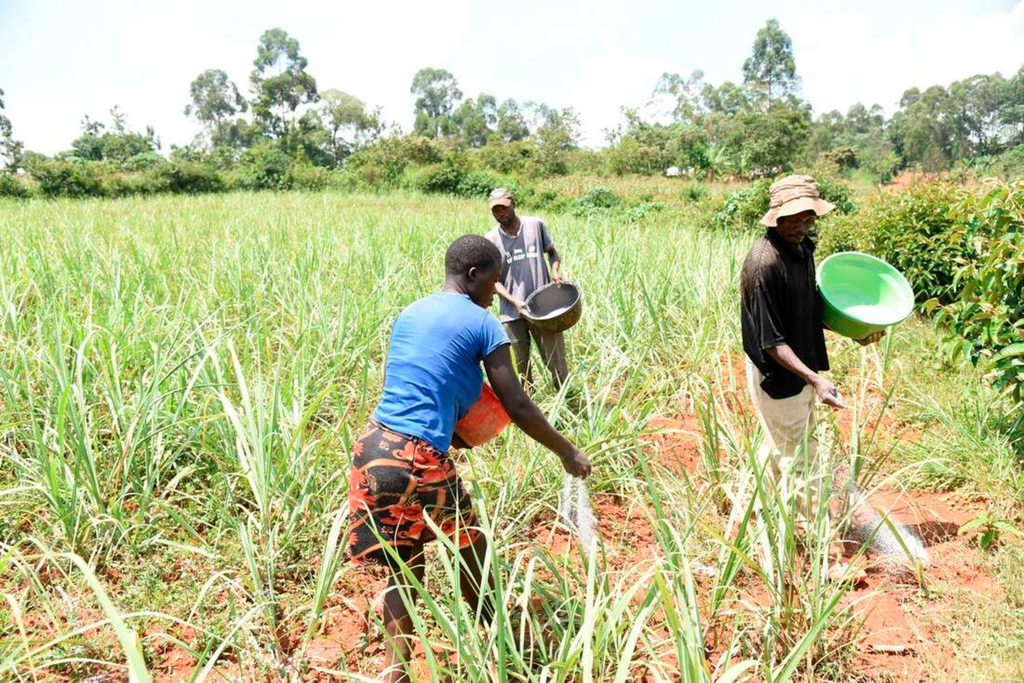
The policy challenge is ultimately to find a middle ground. Sugar imports should fill genuine production gaps without destabilizing local farmers, while domestic producers must become efficient enough to compete when protection is eventually reduced.
For consumers, the measure of success will be straightforward: a reliable supply of affordable sugar. For farmers and millers, it will be whether the market gives them enough room to invest and remain profitable.
Kenya’s sugar debate is therefore moving beyond imports. It is becoming a test of whether the country can build a competitive agricultural industry without making consumers pay the price for inefficiency.
Related Posts


Previous Post
Next Post