Now Reading: Kenya’s digital payments revolution reaches the smallest businesses
-
01
Kenya’s digital payments revolution reaches the smallest businesses
Kenya’s digital payments revolution reaches the smallest businesses

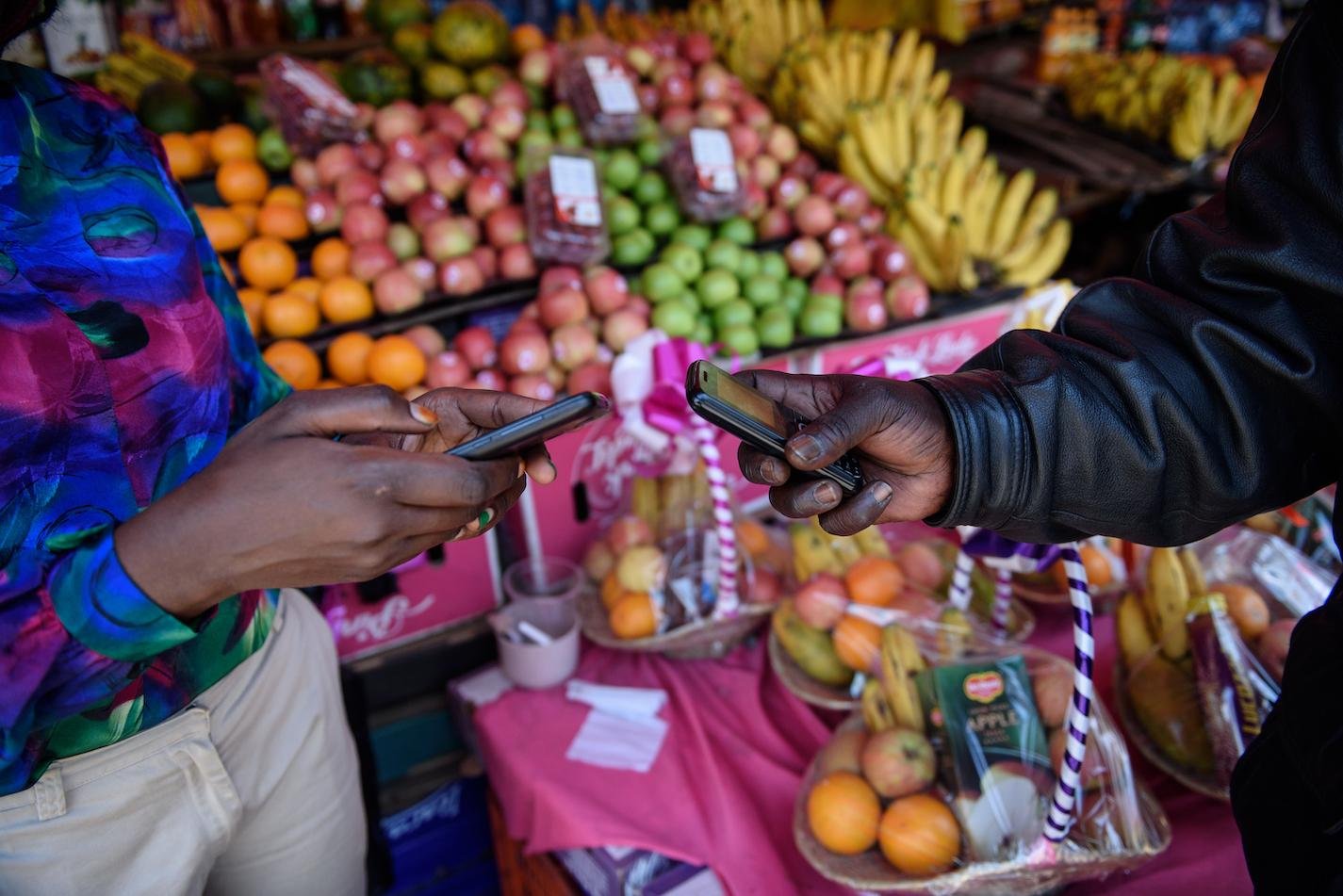

For Kenya’s smallest traders, the difference between a sale and a missed sale can be just a few shillings. A customer buying fruit worth Sh50 does not view a transaction charge as a minor financial detail; it can determine whether the purchase is made digitally, reduced, or abandoned altogether. That is why the latest push to lower the cost of digital payments for small traders carries significance far beyond mobile-money tariffs. Safaricom’s Pata More campaign, including the Pochi Kadogo promotion, is effectively testing whether removing small pockets of payment friction can strengthen the economics of thousands of microbusinesses operating on thin margins.
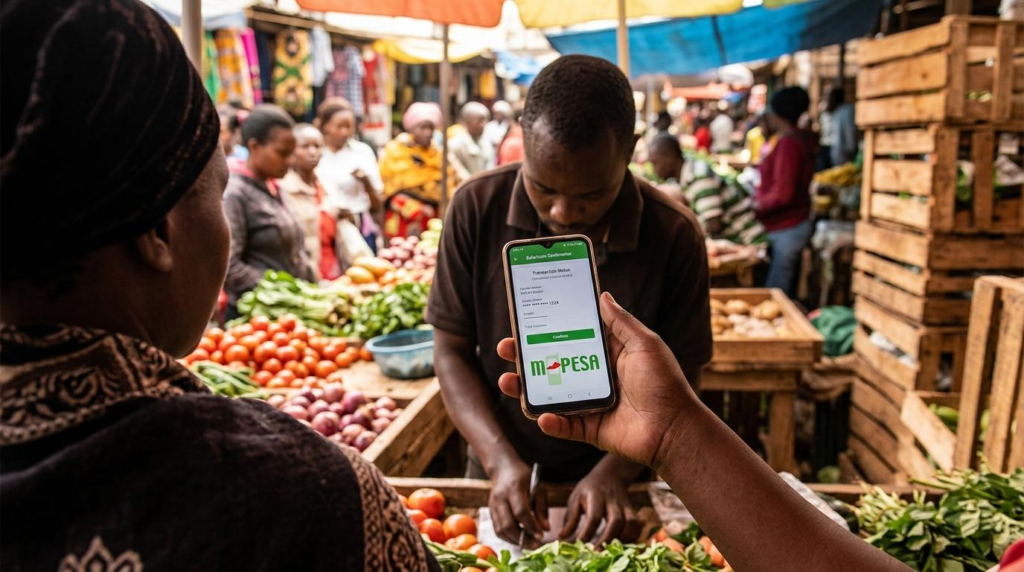
Digital payments for small traders are changing the economics of microbusiness
The Pochi Kadogo offer illustrates how significant a small fee can become at the bottom of the market. Between August 1 and October 31, 2026, customers paying a Pochi La Biashara merchant up to Sh200 pay no transaction fee. Payments between Sh201 and Sh500 attract a Sh7 charge, while transactions above Sh2,500 are capped at Sh50.
The economics are straightforward. A trader selling bananas, vegetables, airtime, or household goods may complete dozens of low-value transactions every day. If a customer is discouraged from making a Sh100 or Sh150 purchase because digital payment costs extra, the merchant does not merely lose a transaction fee. The trader loses the entire sale.
That makes digital payments for small traders an issue of revenue protection rather than convenience alone. A customer who can pay Sh180 without an additional charge has less reason to search for cash, ask for credit, or walk away.
The effect becomes more meaningful when repeated across hundreds of transactions. Ten shillings saved or retained may look insignificant to a large corporation, but Sh10 multiplied across many sales and trading days can become money available for transport, packaging, additional stock, or other operating costs.

Digital payments for small traders could strengthen business discipline
The second opportunity is less visible but potentially more important: separating business money from household money. Pochi La Biashara operates on an existing M-PESA line and gives traders a separate business wallet, allowing them to track balances and statements independently of personal funds.
That distinction addresses one of the fundamental weaknesses of informal businesses. When sales and household spending flow through the same wallet, turnover can easily be mistaken for profit. Money intended to replenish stock can disappear into transport, food, or other household expenses before the owner realizes that working capital has fallen.
A separate digital record creates a basic financial boundary. It can also give the trader a clearer view of daily sales and transaction patterns, potentially strengthening the documentation needed when accessing eligible financial services. Digital records do not guarantee credit or profitability, but they can make a previously invisible business easier to understand financially.
The wider Pata More campaign is extending this logic. Safaricom has raised the Lipa na M-PESA Buy Goods Kadogo threshold from Sh200 to Sh500, making collections within that range free to merchants, while also introducing cheaper movement of funds from business tills and faster payment options such as Scan to Pay and Tap to Pay.
For Kenya’s informal economy, where millions of commercial transactions occur at very small values, the cumulative effect could be significant. Lower payment friction can encourage digital adoption, reduce reliance on physical cash and give microbusinesses better visibility over their operations.
The bigger question, however, is whether such promotions can produce lasting behavioral change after the current tariff period ends. The Pochi Kadogo offer is scheduled to run until October 31 unless extended or replaced.
That makes the experiment worth watching. If cheaper digital payments persuade more customers to use mobile money for everyday purchases, the benefit could extend beyond a temporary promotion. Kenya could move closer to a payments ecosystem where even the smallest transaction is economically viable, digitally recorded and commercially useful.
For a multinational, Sh10 is rounding error. For a trader trying to buy tomorrow’s stock with today’s sales, it can be working capital.
And that is precisely why digital payments for small traders matter.
Related Posts

Previous Post
Next Post