Now Reading: Africa’s aviation growth depends on a hidden energy advantage
-
01
Africa’s aviation growth depends on a hidden energy advantage
Africa’s aviation growth depends on a hidden energy advantage

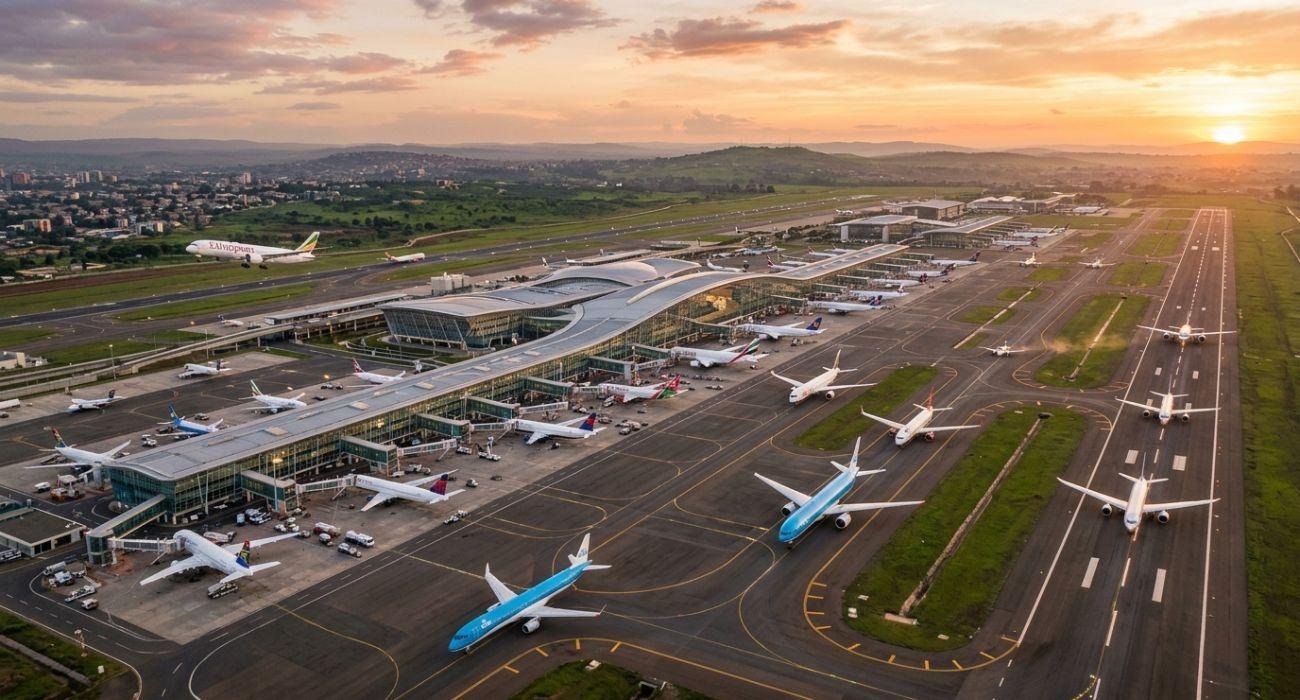

Africa’s business travel ambitions depend on more than airports, airlines, and new routes. They also depend on the energy infrastructure that keeps aircraft flying and businesses connected across borders. As domestic refining capacity expands, including through Nigeria’s Dangote Refinery, the continent faces a strategic question: could stronger local fuel supply improve aviation economics and make regional business travel more reliable? The answer will depend on pricing, distribution networks, fuel quality, and the ability to deliver supplies consistently to airports. African aviation fuel infrastructure is therefore emerging as an important part of the wider conversation about trade, investment, and economic integration.
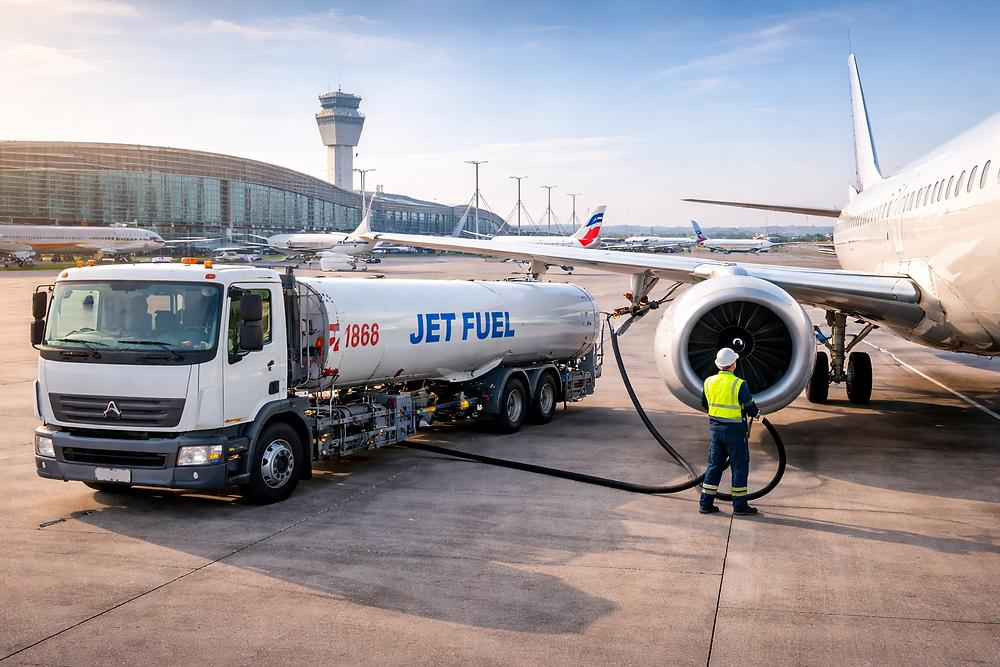
African aviation fuel infrastructure could reshape airline economics
Jet fuel is a major operating expense for airlines, making its price and availability important factors in decisions about routes, fares, and fleet deployment. Where fuel must travel through complex import and distribution chains, supply disruptions, and currency pressures can add uncertainty to operating costs.
Greater domestic refining capacity could help diversify supply sources and reduce dependence on imported refined petroleum products. Nigeria’s Dangote Refinery, designed for a capacity of up to 650,000 barrels per day, represents a major change in the country’s refining landscape. However, additional refining capacity does not automatically translate into cheaper jet fuel for airlines across Africa. Export volumes, refinery output, regional transport costs, airport storage, and distribution agreements will determine how much other markets benefit.
This distinction matters for business aviation and commercial travel alike. More predictable fuel supply could help airlines plan operations with greater confidence, while competitive costs could support route development, where passenger demand and airport infrastructure justify expansion. Yet fuel is only one part of the equation: taxes, airport charges, aircraft availability, and regulatory barriers also influence ticket prices and connectivity.
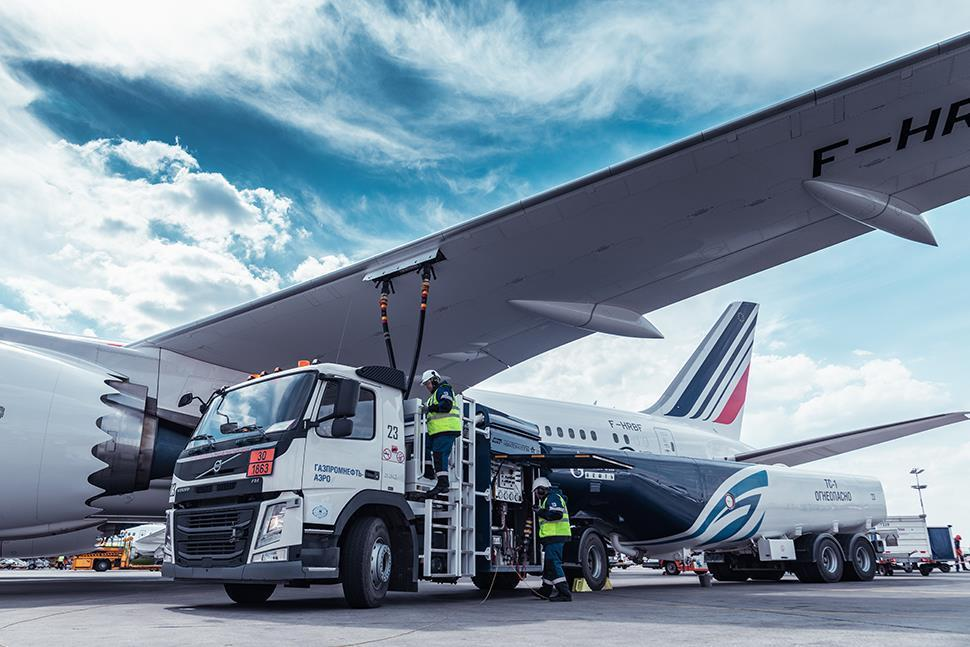
African aviation fuel infrastructure can support regional trade
The implications extend beyond airlines. As companies expand into neighboring markets, reliable air links help executives reach clients, technical teams service operations, investors evaluate projects, and professionals collaborate across borders. Better connectivity can also strengthen tourism, time-sensitive logistics, and regional supply chains.
The African Continental Free Trade Area provides a framework for deeper economic integration, but agreements alone cannot eliminate the practical costs of doing business across long distances. Transport infrastructure, border procedures, logistics networks, and energy security all influence whether companies can turn market access into commercial activity.
That makes African aviation fuel infrastructure a broader investment question. Opportunities may emerge in fuel storage, airport distribution, supply-chain logistics, and infrastructure that connects refineries to aviation markets. Governments and investors must still weigh commercial viability, environmental impacts, and the long-term transition towards lower-emission aviation.
Also Read: Why water may hold the key to Northern Kenya’s economic growth
For business leaders, the lesson is that aviation, energy, and trade should not be planned in isolation. Refining capacity can contribute to aviation resilience, but the economic payoff depends on the systems that move fuel from production facilities to aircraft and connect air routes to viable markets.
Africa’s business travel future will ultimately be determined by how effectively these pieces work together. The opportunity is not simply to produce more fuel or build more airports. It is to create an integrated infrastructure network that makes moving people, goods, and expertise across the continent more reliable and commercially sustainable.
Related Posts

Previous Post
Next Post