
Critics caution that increased government involvement can also introduce inefficiencies if not managed carefully.
Comprehensive coverage of specific business sectors that power the Kenyan economy. Provides news, trends, and analysis from real estate and tourism to agriculture and aviation.
Critics caution that increased government involvement can also introduce inefficiencies if not managed carefully.
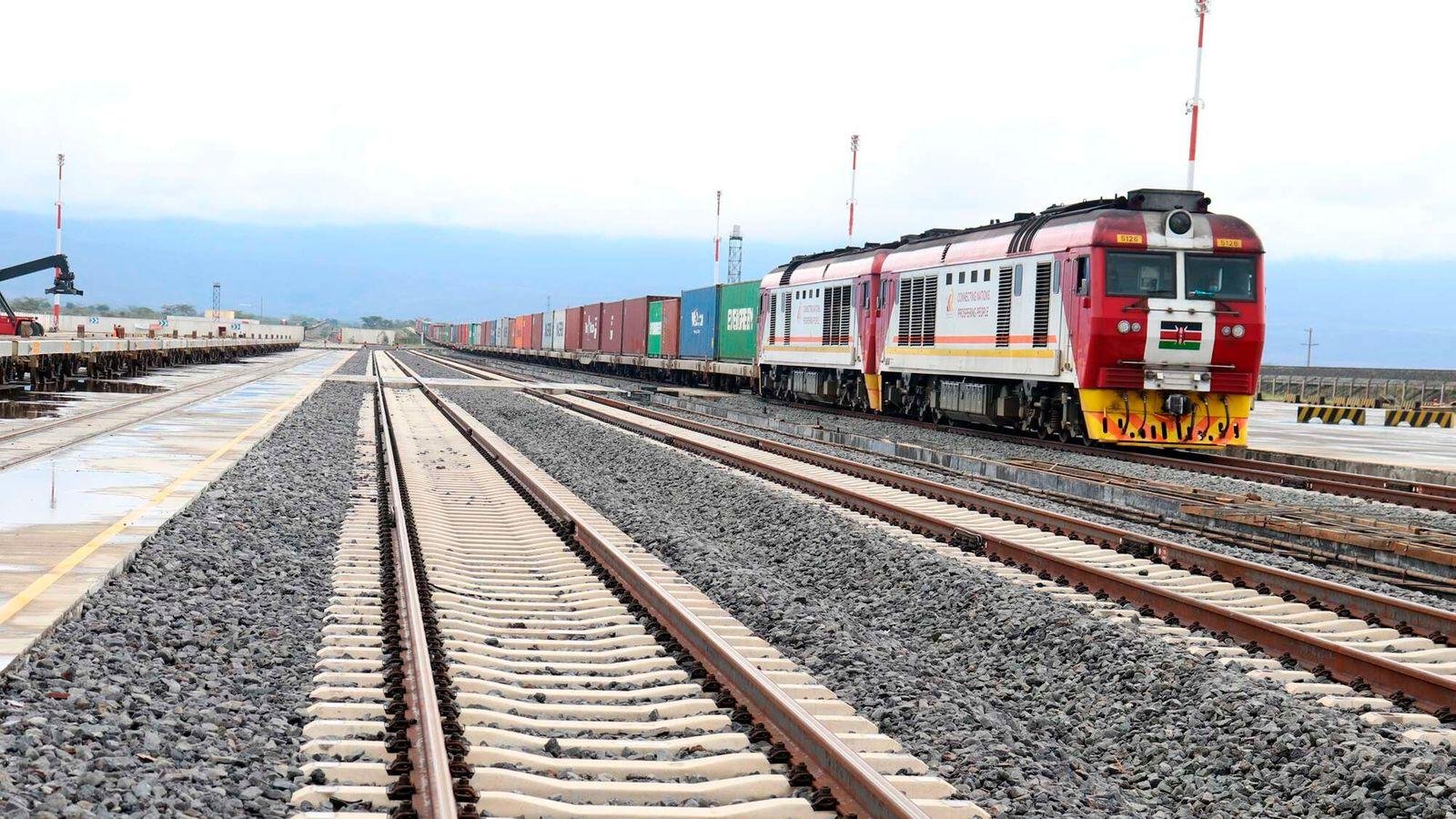
The proposed Kisumu Malaba SGR extension is expected to play a transformative role in strengthening regional trade corridors by linking Kenya more efficiently with Uganda and beyond.

Institutions are urging African governments to use the crisis as an opportunity to accelerate structural transformation, reduce dependency on external supply chains, and strengthen regional integration.

Lindian Resources, an Australian company listed on the ASX, will use the funding to advance the Kangankunde Rare Earths Project, a high-grade deposit expected to begin production in 2026.
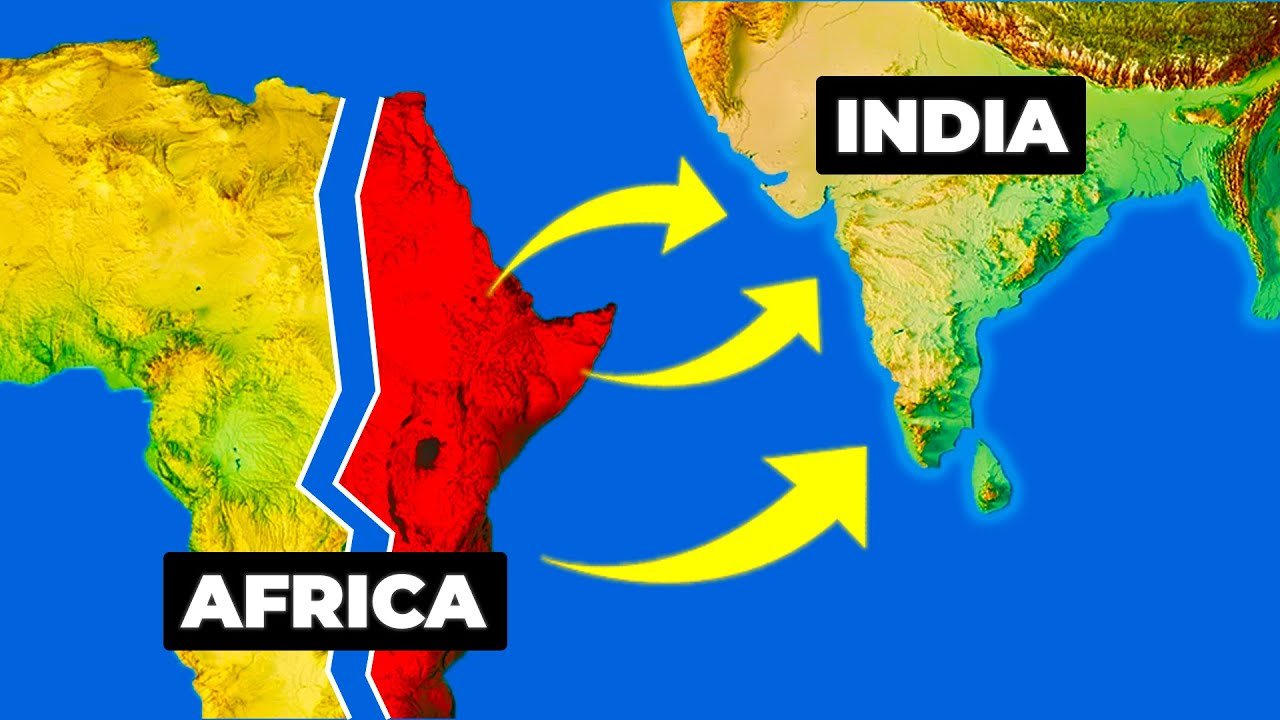
In recent weeks, New Delhi has delivered thousands of tonnes of rice to countries facing food crises, including 1,000 tonnes to Burkina Faso, 1,000 tonnes to drought-hit Malawi, and 500 tonnes alongside relief supplies to flood-affected Mozambique.

The new platform, dubbed Shuru, allows taxpayers to file returns directly through WhatsApp without the need for additional applications or complex login procedures, marking a significant move toward more accessible and user-friendly tax services.

Kiharu MP Ndindi Nyoro purchased approximately 10.4 million shares valued at about KSh 49 million, while Thika Town MP Alice Ng’ang’a acquired 2.3 million shares worth around KSh 11 million, according to February 2026 regulatory filings.

Financial statements show the fund generated close to Sh1 billion in investment income from a pool of about Sh14.7 billion in investor funds, reflecting rising demand for low-risk and highly liquid investment products.
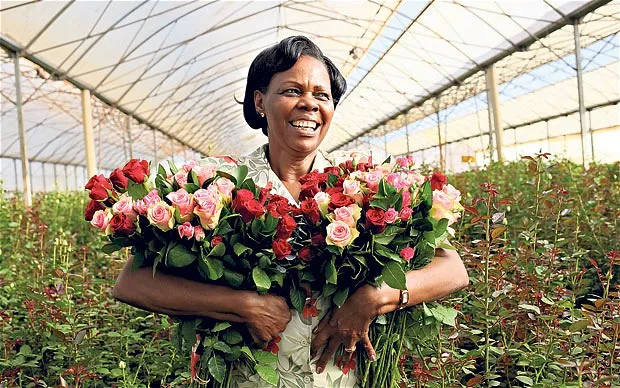
The Kenya Flower Council has warned that the situation is placing severe strain on one of the country’s most important export sectors, with losses already exceeding $4.2 million over the past three weeks due to shipment delays and reduced cargo capacity.
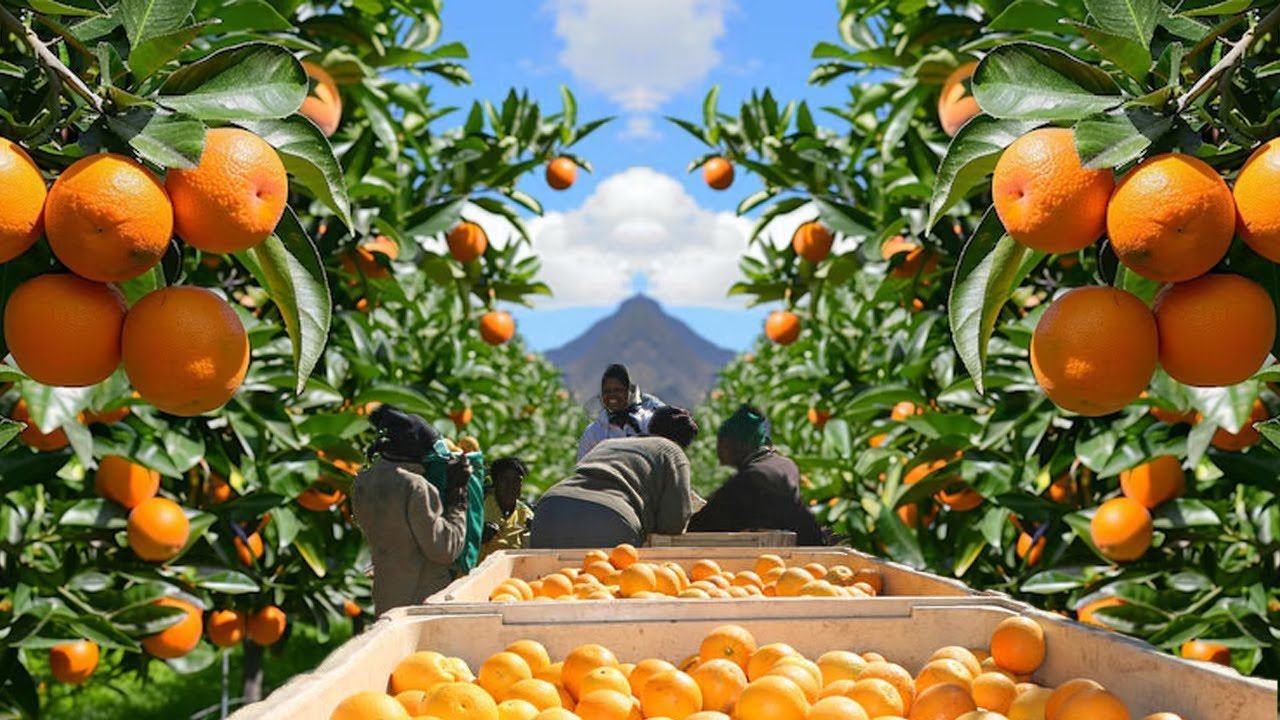
The Citrus Growers’ Association of Southern Africa said it has recorded isolated cases of diesel shortages at some service stations as the sector prepares for peak export activity beginning in April.