
The national carrier attributed the downturn largely to global supply chain disruptions that led to the grounding of key aircraft, reduced capacity, and declining revenues, despite strong underlying demand for air travel.
Comprehensive coverage of specific business sectors that power the Kenyan economy. Provides news, trends, and analysis from real estate and tourism to agriculture and aviation.
The national carrier attributed the downturn largely to global supply chain disruptions that led to the grounding of key aircraft, reduced capacity, and declining revenues, despite strong underlying demand for air travel.
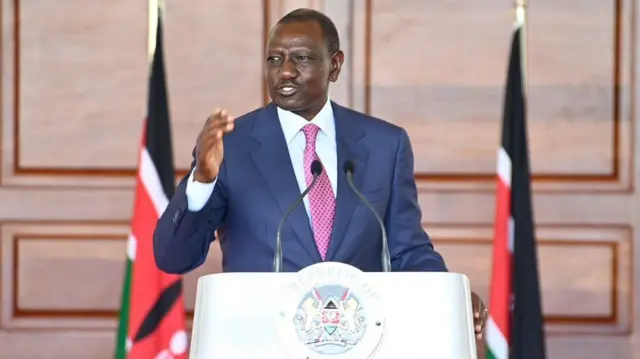
The fund introduces a three-account model that separates resource revenues into distinct components: Stabilisation, Strategic Infrastructure Investment, and Future Generations, each with a specific economic role.
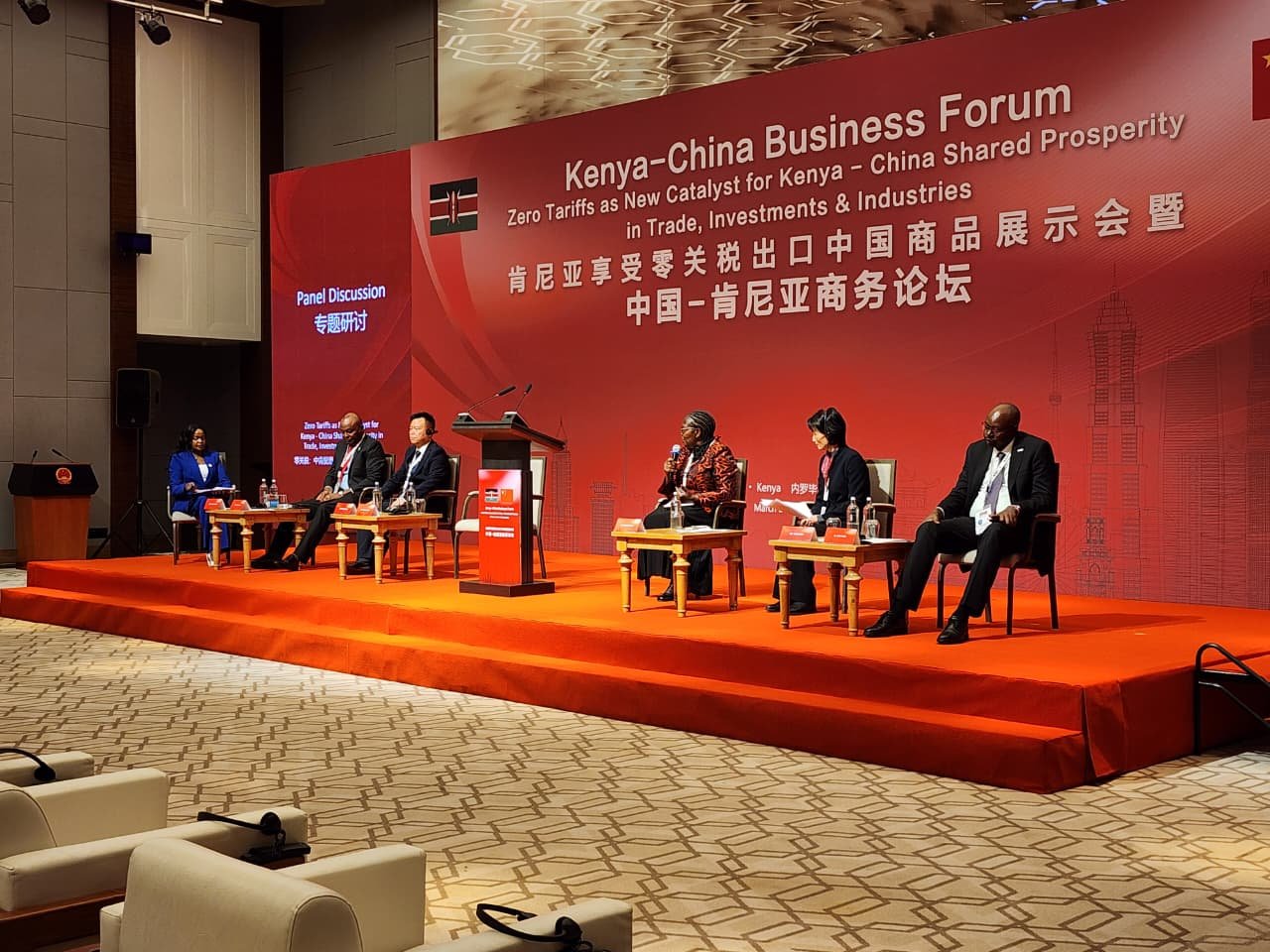
The event, jointly organised by the China Council for the Promotion of International Trade (CCPIT) and the Kenya Export Promotion and Branding Agency, highlighted the growing economic partnership between the two nations and the potential for expanded market access for Kenyan goods.

Habitat for Humanity has launched the “Let’s Open the Door” initiative, a worldwide campaign designed to raise awareness and mobilise governments, private sector players, and communities to close the growing housing gap.
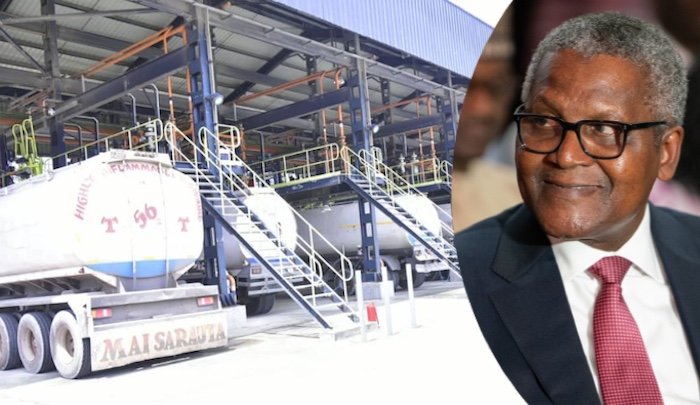
he Lagos-based refinery, owned by Africa’s richest man, Aliko Dangote, has begun exporting significant volumes of refined petroleum products, including gasoline, diesel, and jet fuel, to several African countries.

The Communications Authority of Kenya (CA) announced the updated requirements in a public notice dated March 24, stating that all mobile devices must now undergo stricter vetting before they are approved for sale or use in the country. The new framework applies to manufacturers, importers, vendors, and local assemblers.
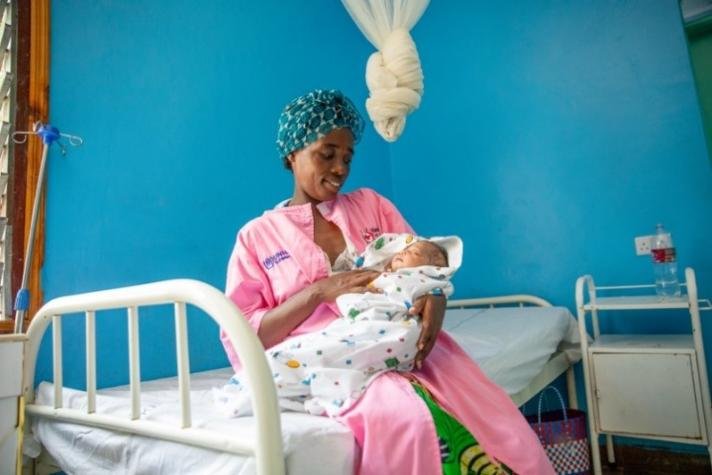
Swedfund, Swedens development finance institution has committed $600,000 (approximately KSh 77 million) to Jacaranda Maternity, a Nairobi-based healthcare provider focused on delivering affordable maternity services to low- and middle-income communities.
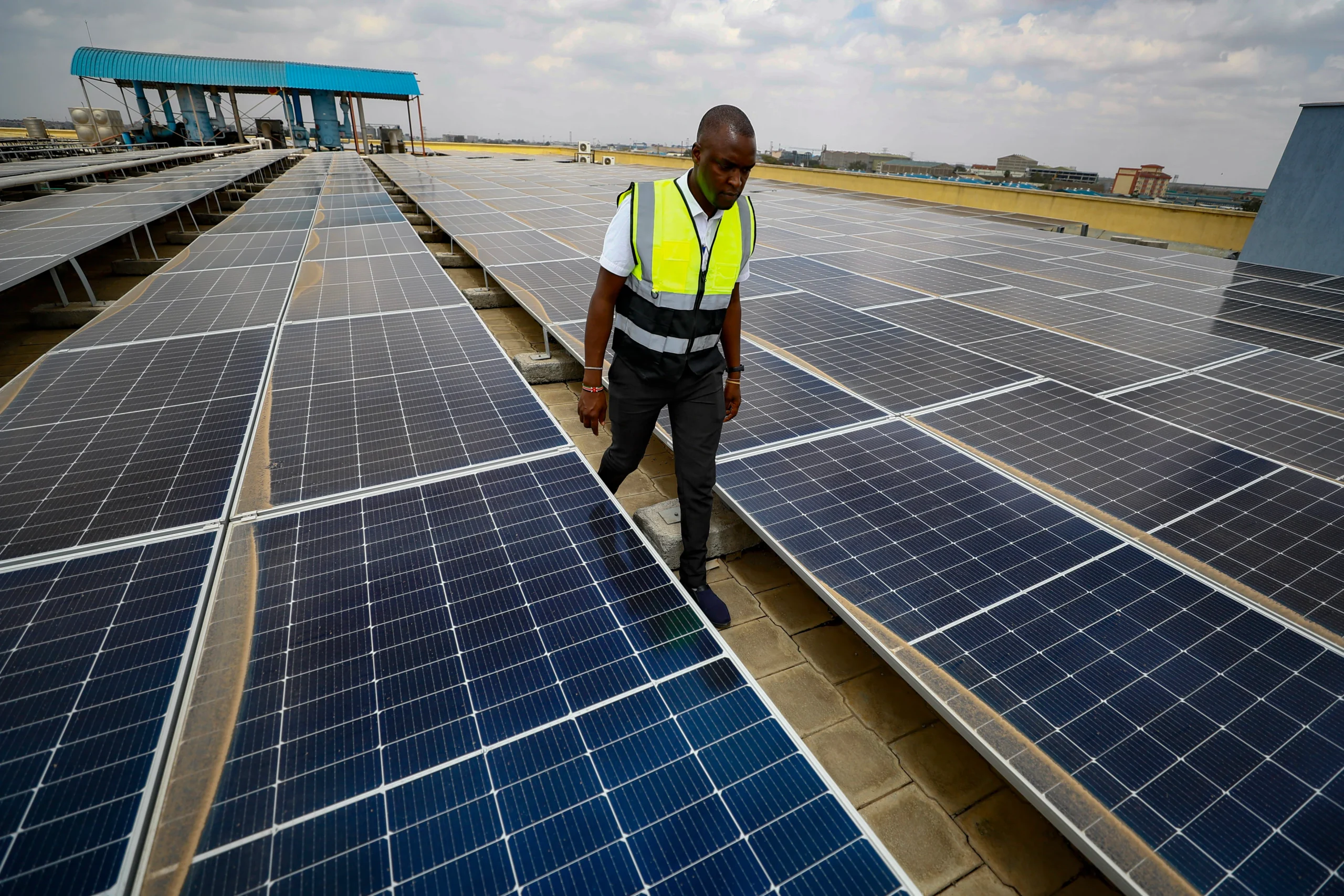
The policy shift, which includes ending value-added tax (VAT) rebates on solar panel exports and gradually phasing out incentives for battery production, is expected to increase the cost of solar equipment across the continent, where most countries rely heavily on Chinese imports.

At the center of the government’s strategy is a push toward agro-industrialisation, a policy direction aimed at ensuring that Kenya processes what it produces rather than exporting raw materials and importing finished goods at higher costs.

Under the proposed amendments to Section 34(1)(a) of the VAT Act, the current annual turnover threshold of KSh 5 million for mandatory VAT registration would be scrapped entirely. This would effectively bring micro, small, and medium enterprises (MSMEs) into the formal tax net for the first time.