Now Reading: Sudan crisis: Army’s siege of El Obeid causes major humanitarian crisis
-
01
Sudan crisis: Army’s siege of El Obeid causes major humanitarian crisis


By Correspondent.
The activities of the Sudanese army in the town of El Obeid could worsen the dire humanitarian situation that is now calling for international attention.
Reports from various news sources such as Tuko News paints a grim picture about the army’s capture of the economically strategic town. At the crossroads of routes linking Khartoum, Kordofan and Darfur, lies El Obeid, the capital of Sudan’s Kordofan region, which has been witnessing an information war for several months amid a humanitarian crisis affecting its residents.
El Obeid represents a center of exceptional military and economic importance, and its strategic danger lies in the fact that it connects Darfur and Kordofan with the capital, Khartoum, and the rest of Sudan’s states. It is the principal artery for the transportation of goods and humanitarian aid.
Meanwhile, residents of the city complain of difficulties in obtaining clean water and the unavailability of medicines, as well as mounting pressure on medical personnel amid shortages of intravenous fluids and other supplies.
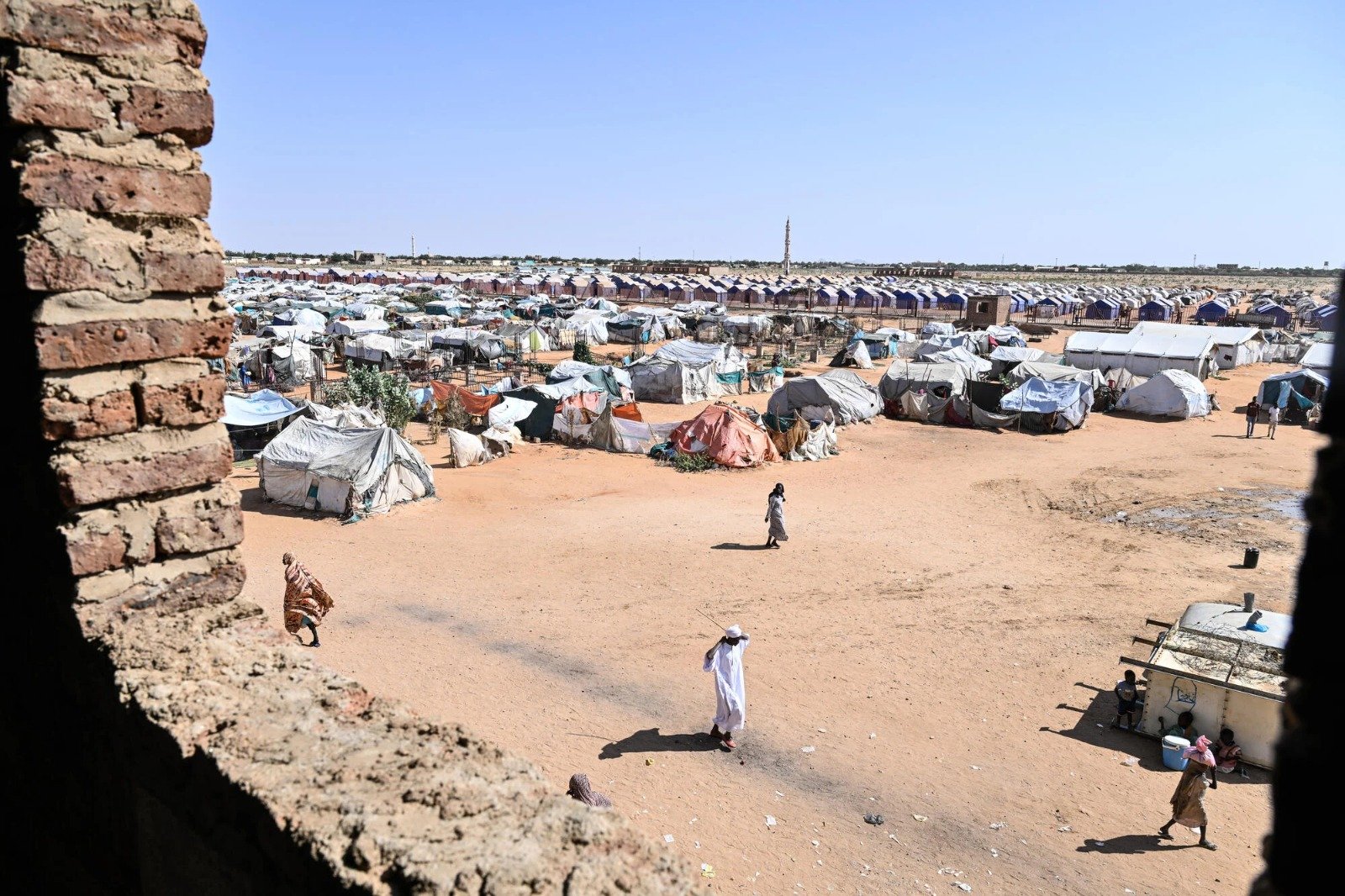
At the same time, health facilities are receiving cases of acute diarrhea and dehydration on a daily basis, according to Plan International. The organisation has issued a warning that El Obeid, the capital of North Kordofan State, is on the brink of a humanitarian catastrophe, amid a cholera outbreak, a severe 70% shortage of drinking water, and deteriorating health services, at a time when the city is hosting around 105,000 displaced people. In a statement, the organization said hundreds of thousands of the city’s residents face growing risks as cholera spreads, key supply sources are taken out of service, and the population has doubled due to displacement.
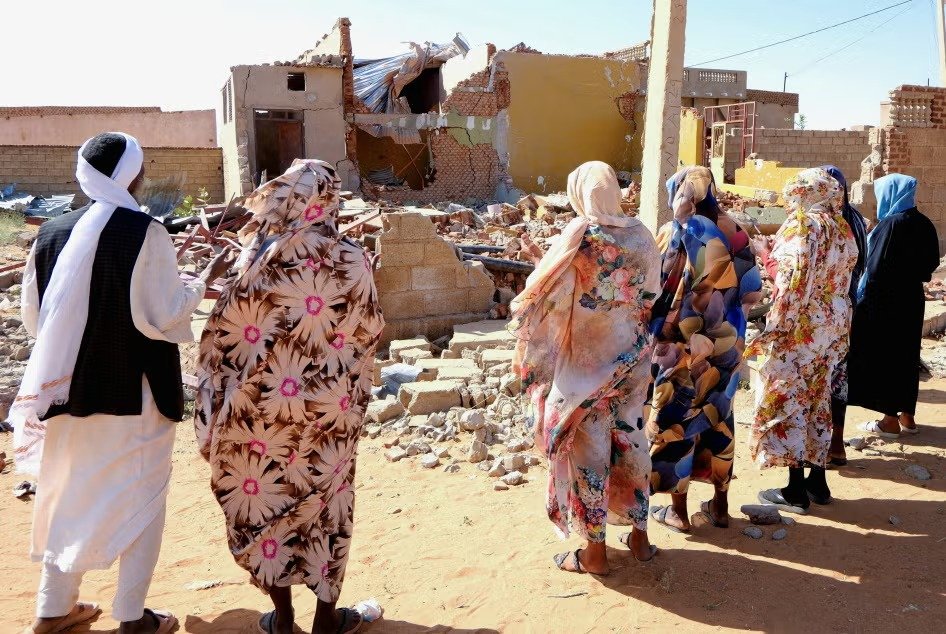
It noted that damage to health facilities and sewage networks, coupled with heavy rainfall, has accelerated the spread of the disease, amid fears of worsening conditions for displaced people as schools, fuel stations, electricity facilities and markets continue to be targeted. It warned that the continued deterioration of conditions could lead to child deaths from disease and malnutrition, while incidents of sexual violence against women and girls have been reported as they travel to fetch water.
Despite the deteriorating conditions, the army and militias allied with it have imposed a suffocating cordon around the city’s exits.
According to Sudanese reports, however, the cordon was not primarily directed outward, but was aimed first and foremost at preventing civilians and displaced people from leaving the city. The threat went beyond verbal prohibitions, with residents reportedly being told that anyone attempting to leave would face immediate arrest on charges of collaboration, or extrajudicial execution, according to the newspaper Hafariyat, which pointed to “a frightening escalation in systematic violations inside neighborhoods,” including abductions, arbitrary detention in secret prisons, as well as reported cases of rape and sexual assault against women, and the use of excessive violence as a tool to break the will of the local community and force it to remain.
According to the newspaper, this conduct reveals the determination of the leadership of the Islamist militias to use hundreds of thousands of innocent civilians as human shields, deliberately placing them on the anticipated front lines of confrontation with the Rapid Support Forces and allied forces.
The objective of this forced confinement is to use population density as a moral and military pressure card, turning civilians into fuel for the war and potential victims whose blood can later be exploited for media purposes. The newspaper continued; “The crime does not stop at physically terrorizing the population; it extends to imposing exceptionally harsh living and economic pressures. The closure of roads and control over the movement of transportation and services have brought the flow of essential commodities and medical supplies to an almost complete standstill, resulting in a staggering rise in food prices and widespread shortages.”
It said this militia conduct constitutes a blatant defiance of international warnings, foremost among them the strong warning issued by UN High Commissioner for Human Rights Volker Türk, who firmly stressed the need to spare civilians in El Obeid from any imminent confrontation and to uphold the opening of safe corridors guaranteeing their full freedom of movement and departure. These warnings, it said, were simply disregarded by the military and Muslim Brotherhood apparatus. Forced Recruitment Sudanese reports indicate that the al-Baraa ibn Malik Jihad Battalion, allied with the army, continues the forced recruitment of civilians in El Obeid and uses them as human shields, in a flagrant violation of international humanitarian law.
At the same time, local sources told the newspaper Idrak that the al-Baraa ibn Malik Battalion had brought weapons described as prohibited into El Obeid, North Kordofan State, in an operation whose timing has not been precisely disclosed, amid fears that civilian sites are being used to store these weapons. According to the sources, the weapons were transported into the city as part of military arrangements, with several locations used for storage and deployment, including the buildings of the Faculty of Education in the Al-Radeef neighborhood and buildings belonging to research facilities at the University of Kordofan, in addition to other sites located in the western neighborhoods of El Obeid. The sources explained that these sites are being used for activities of a military nature, raising widespread concern over the safety of civilians and surrounding facilities, particularly amid the continuing security tensions in the area.
They stressed that the use of educational facilities and civilian infrastructure for military purposes could expose residents and infrastructure to grave risks and further complicate the humanitarian and security situation in the city. This comes amid a massive media campaign being waged by the Sudanese army, backed by elements affiliated with the Muslim Brotherhood, aimed at drawing international and domestic attention to El Obeid by promoting a narrative of an imminent attack.
Observers say this is part of a security strategy intended to obscure suspicious military movements on other vital fronts and to use civilians as media fodder and human shields in a conflict that has increasingly come to rely on falsifying facts more than on the balance of power on the ground.
ET}
Related Posts


Previous Post
Next Post