
The momentum behind Africa value addition investment suggests that the continent is entering a new phase of economic strategy.
Delivers pan-African economic and corporate news, highlighting regional trade, integration, and investment opportunities. Focuses on stories impacting the continent’s business landscape.
The momentum behind Africa value addition investment suggests that the continent is entering a new phase of economic strategy.

The debate around inclusive growth investment in Africa signals a shift in how success is defined. It is no longer enough to measure investment by capital inflows alone—impact, sustainability, and distribution are becoming equally important metrics.

Equity risk premiums, the additional returns investors demand to compensate for country-specific risks, range from as low as 4–5% in stable economies to over 30% in the most volatile markets.

According to recent rankings and business environment assessments, countries that reduce regulatory friction, improve governance, and strengthen financial systems are emerging as the most attractive destinations for capital.
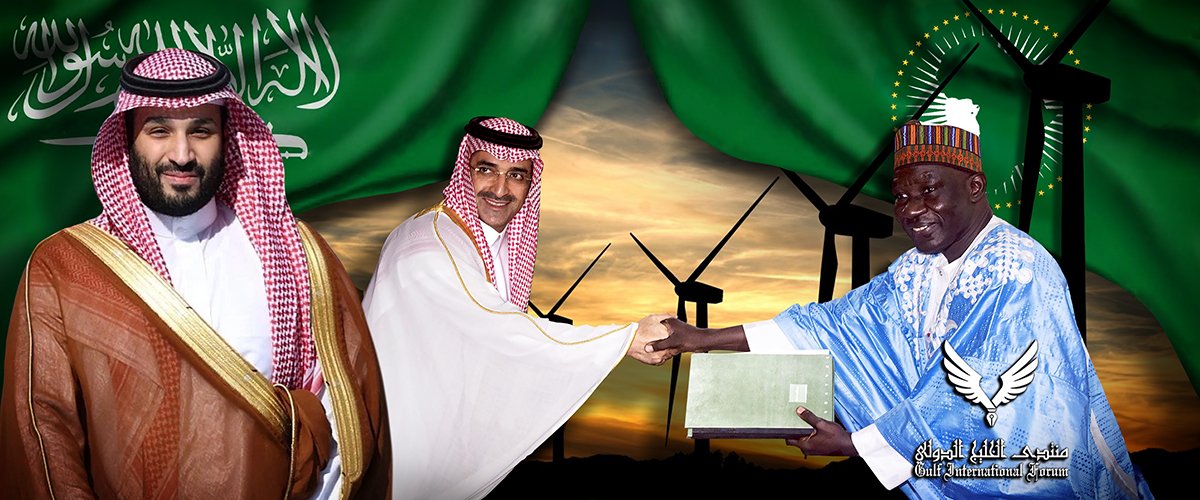
Saudi Arabia has pledged to invest more than $25 billion in Africa over the next seven years, a figure later expanded to $41 billion over the coming decade. The package includes development financing, export support, and funding for startups, signalling a broad-based approach to economic engagement.

The 9-to-5 is slowly dying. And Africa is not waiting.
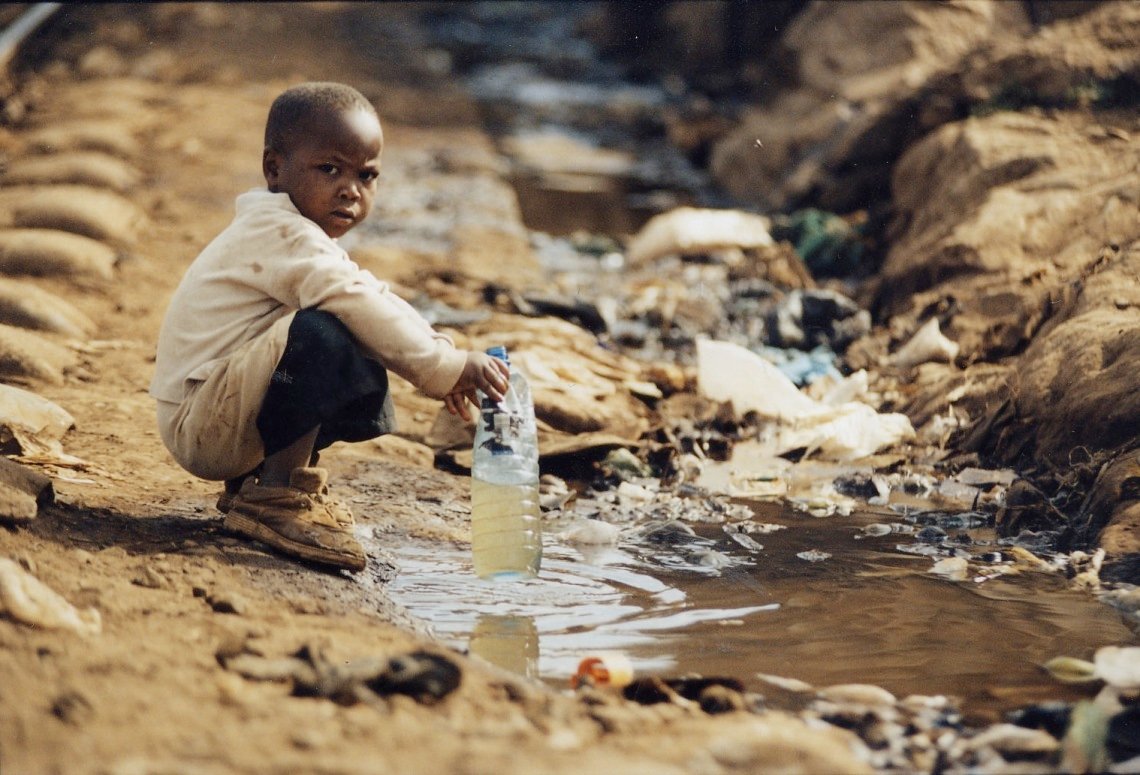
The financing will support efforts to address severe water shortages in one of the world’s most water-stressed countries, where supply remains limited and uneven, particularly outside urban centres.

The two countries already have a political agreement covering 2,500 megawatts of power supply. However, ongoing negotiations are expected to consider doubling that figure to 5,000 megawatts, reflecting South Africa’s growing energy demand.

The programme, introduced under the ICT Programme in Faso (PROTAF), focuses on refurbishing outdated public-sector computer equipment and redistributing it to underserved groups, including women and low-income households.
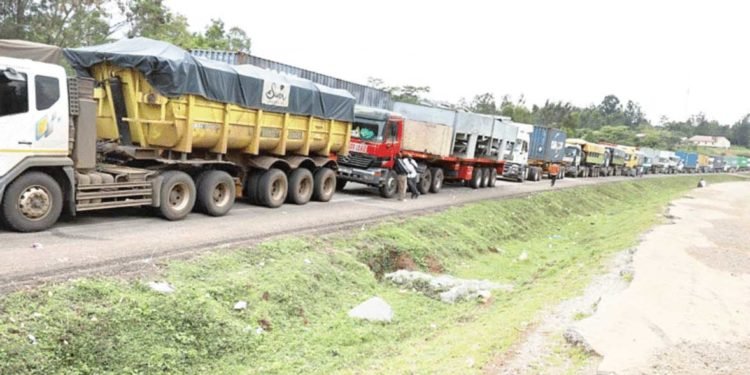
Governments within the East African Community have agreed to remove tariffs on selected goods in an effort to address growing trade imbalances and improve cross-border commerce.