









Nairobi, Kenya – Six emerging Kenyan artists have been selected to participate in the inaugural Base to Billboardz (B2B) programme, a new initiative aimed at accelerating the growth of semi-established



Kenyan businesses are facing a tax dilemma that goes beyond how much they pay to the government.
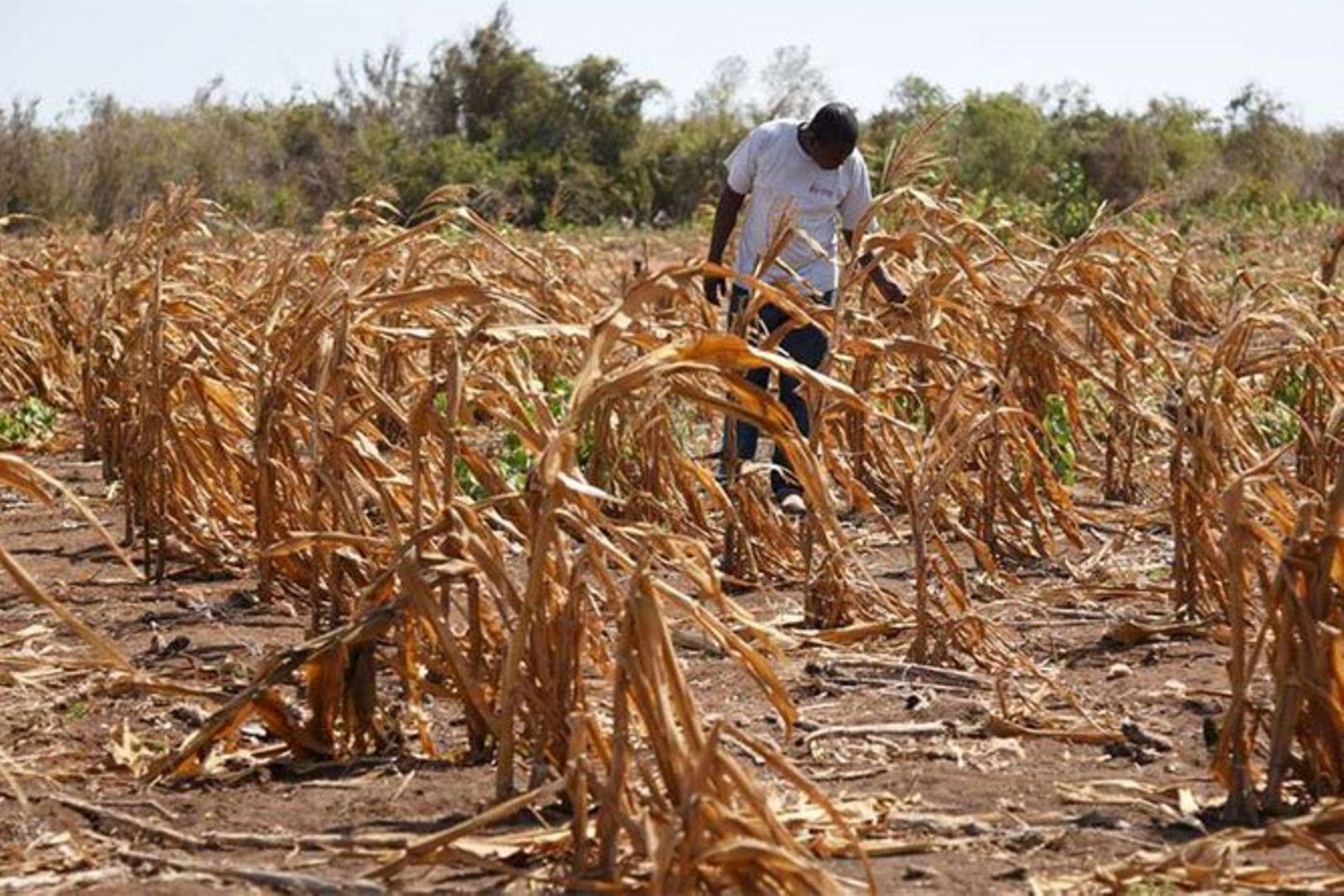
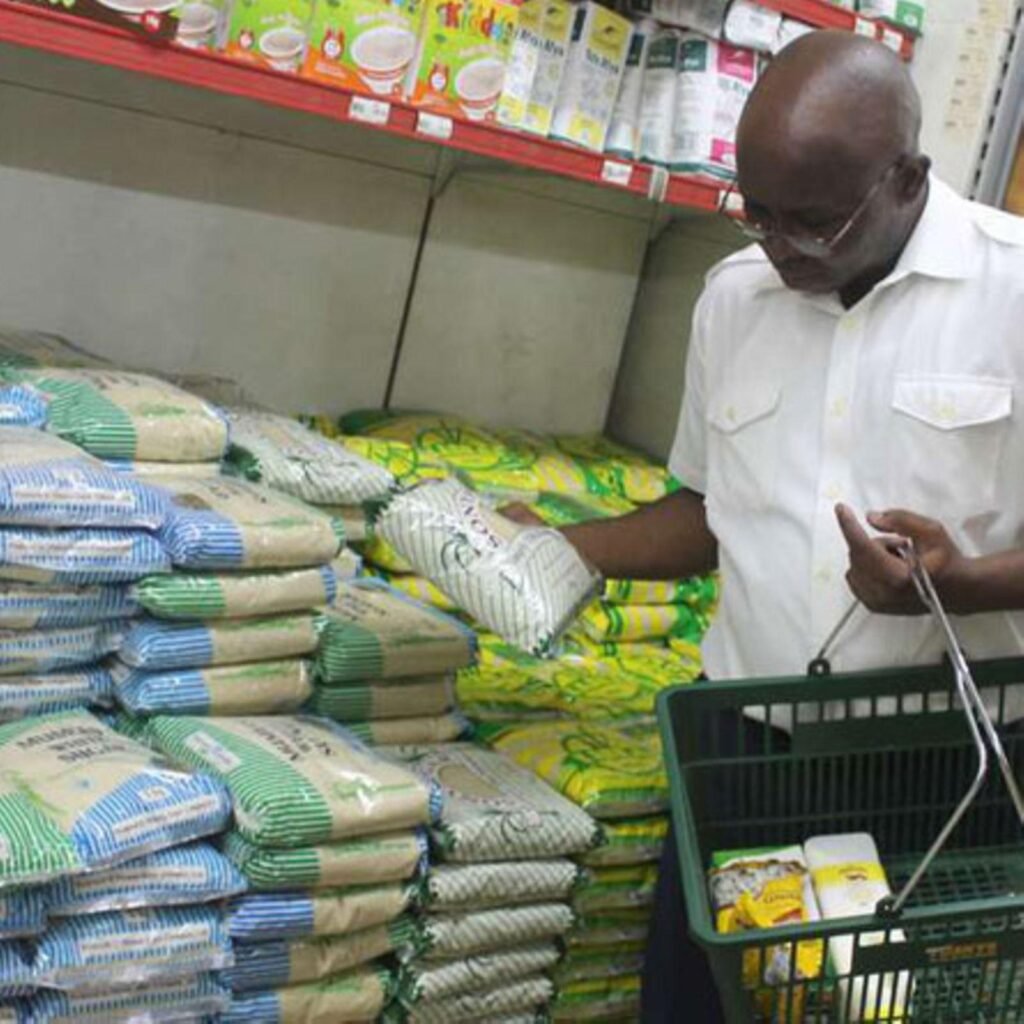
Kenya is preparing for another major intervention in the maize market, and the outcome could determine how much millions of households pay for unga in the coming months.

The most valuable thing a business can offer its customers is often the least exciting: reliability.

By Correspondent The High Court of Kenya in a landmark judgment has held that the Kenyan Government violates the Constitution when it stays silent in the face of a citizen’s

Kenya may not need to build another generation of expensive shopping malls to dominate Africa’s next retail revolution.
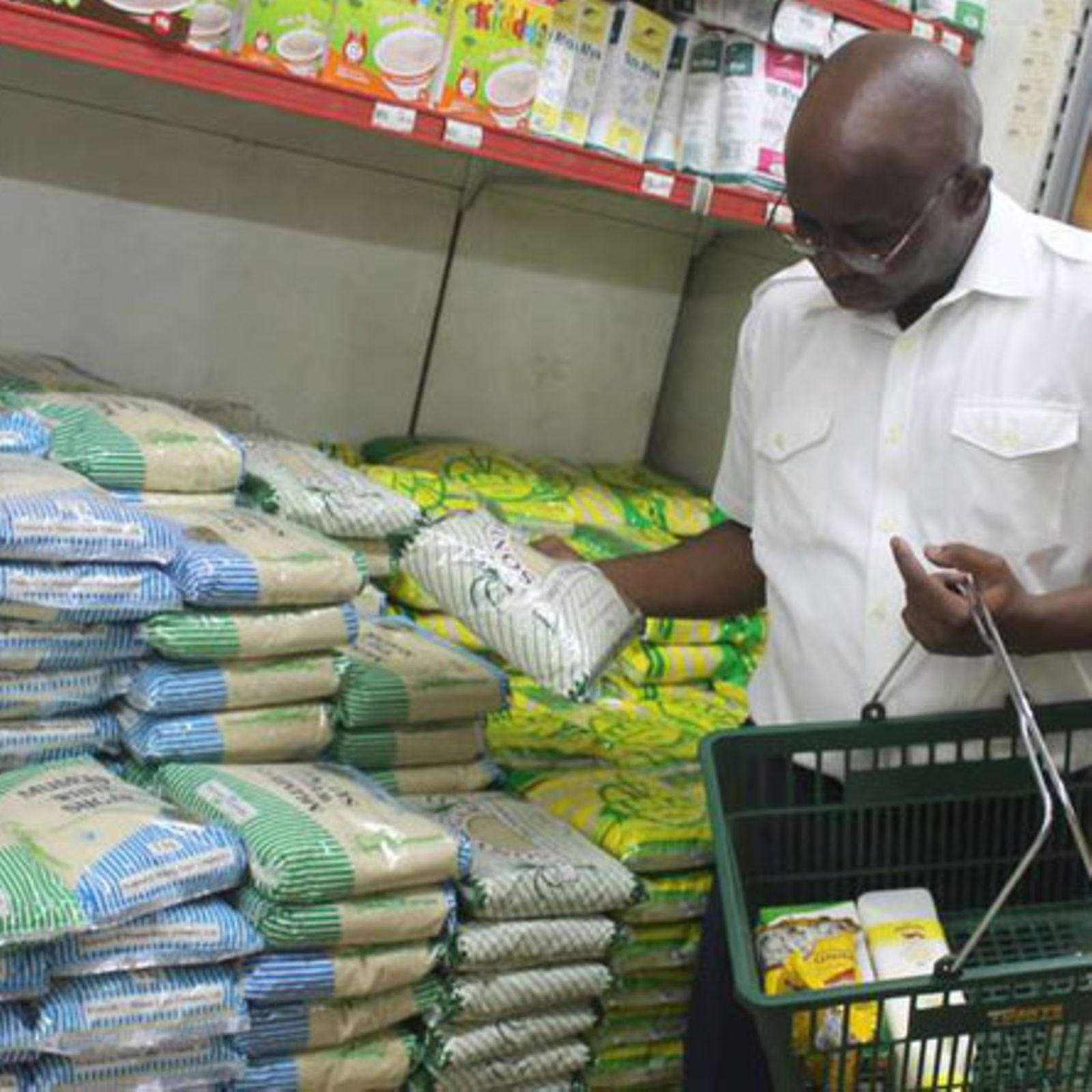
Kenya’s sugar industry is entering another critical phase as local millers push the government to impose tighter controls on imported sugar, warning that poorly timed shipments could undermine a fragile domestic recovery.
Nairobi, Kenya – Six emerging Kenyan artists have been selected to participate in the inaugural Base to Billboardz (B2B) programme, a new initiative aimed at accelerating the growth of semi-established
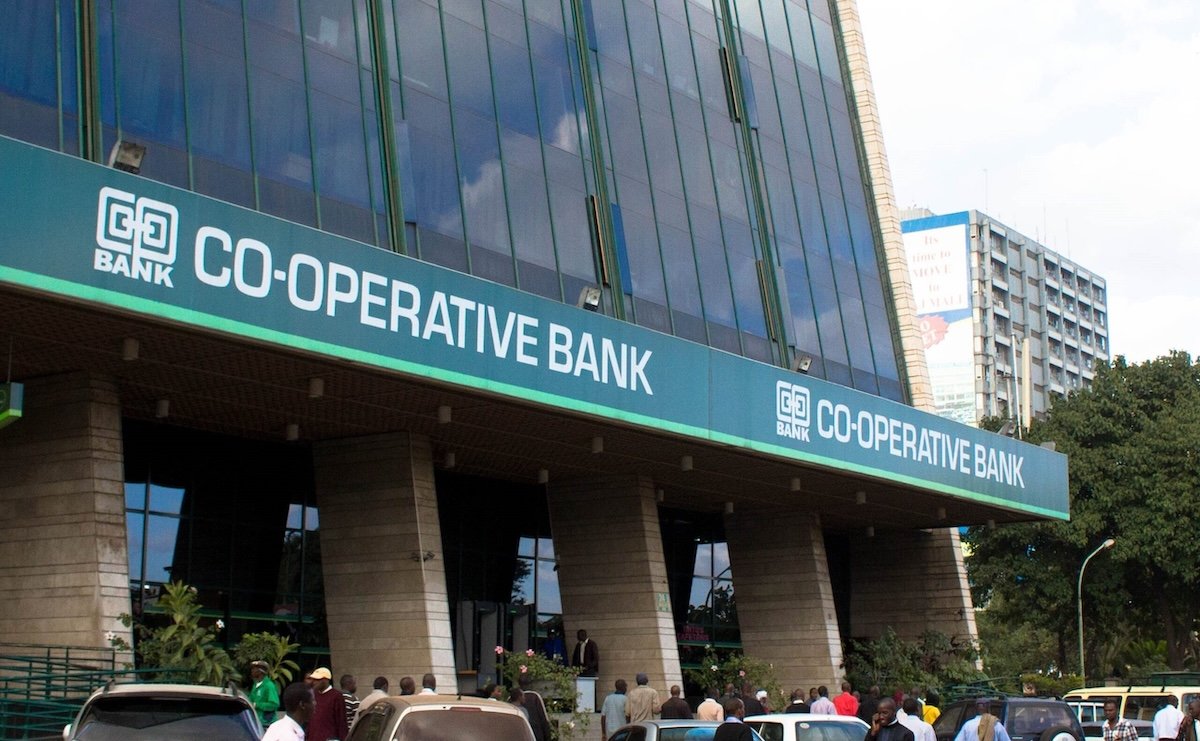
Kenya’s digital economy is growing fast—and banks are adapting.

Africa’s music industry is no longer emerging—it’s exploding.

Kenya is making a smart move to unlock more value from tourism.

Kenya Investment Boom: Ndovu Unveils Multi-Asset Fund.
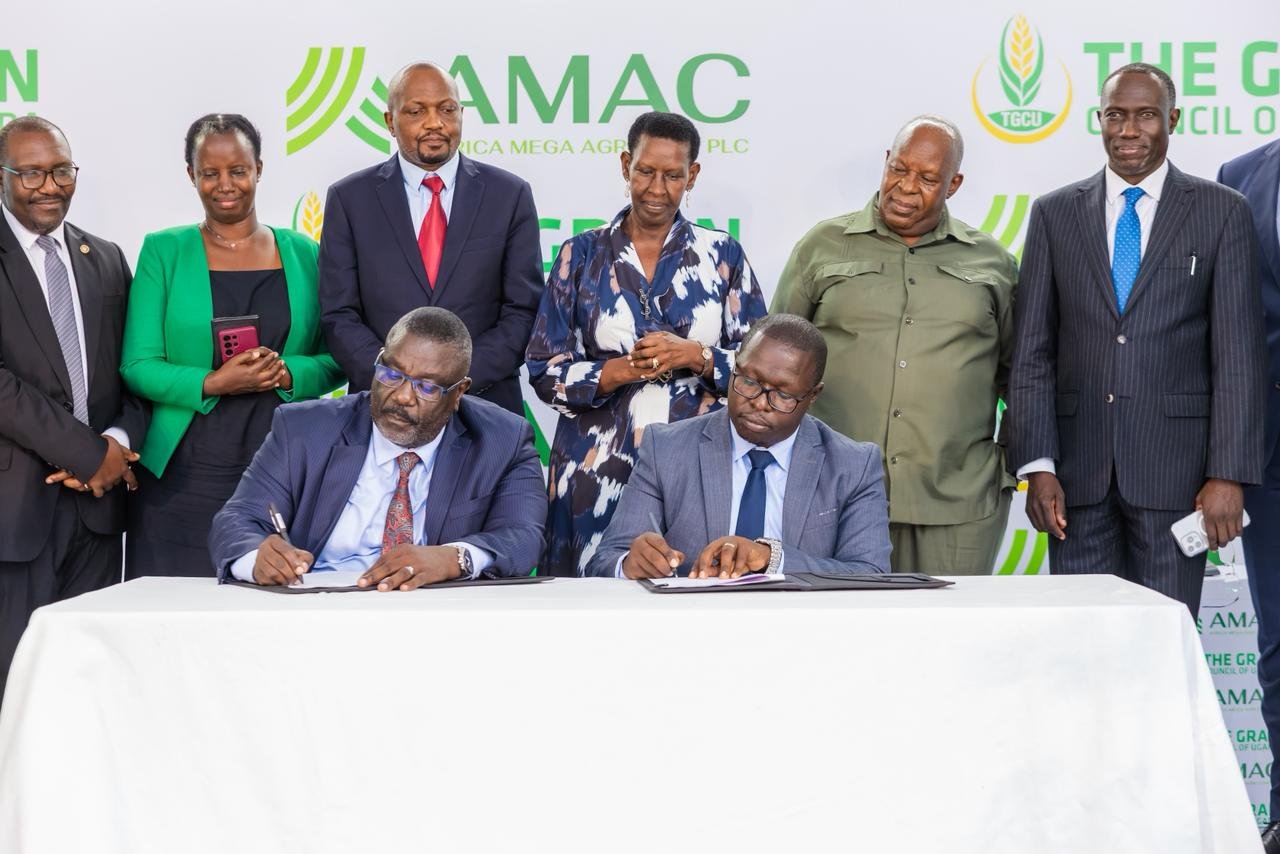
In a groundbreaking move to enhance agricultural trade across East Africa, Kenya’s AMAC PLC and Uganda’s The Grain Council Union (TGCU) have signed a historic partnership agreement. This landmark deal

The week-long mission has brought together more than 50 investors from Africa, Europe, Asia, and the Middle East, positioning the DRC not just as a hub for raw mineral extraction, but as a growing industrial and value-addition destination.

Saudi Arabia has pledged to invest more than $25 billion in Africa over the next seven years, a figure later expanded to $41 billion over the coming decade. The package includes development financing, export support, and funding for startups, signalling a broad-based approach to economic engagement.

Under the new approach, KRA will increasingly use financial data already available within its systems to cross-check taxpayer declarations. This includes mobile money transactions, which have become a dominant channel for payments, business activity, and income flows across Kenya.

A Sh480 million dispute is shaking Kenya’s Sacco sector.