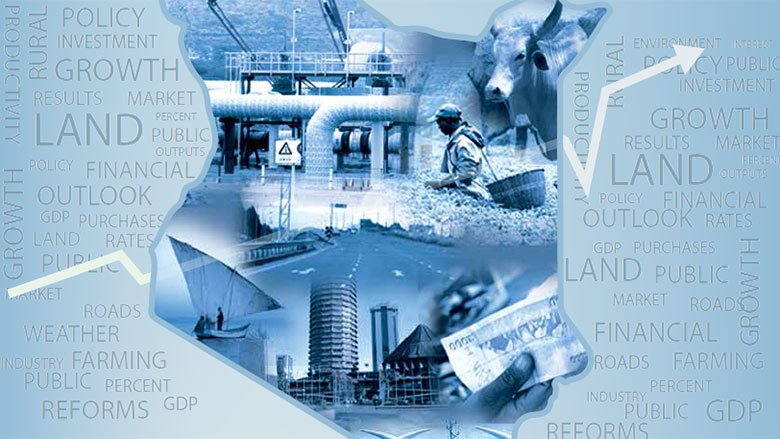
Kenya’s economy is walking a tightrope between steady growth and rising debt pressures, with the coming years set to determine whether fiscal reforms translate into sustainable prosperity or deeper financial strain.
Kenya’s economy is walking a tightrope between steady growth and rising debt pressures, with the coming years set to determine whether fiscal reforms translate into sustainable prosperity or deeper financial strain.
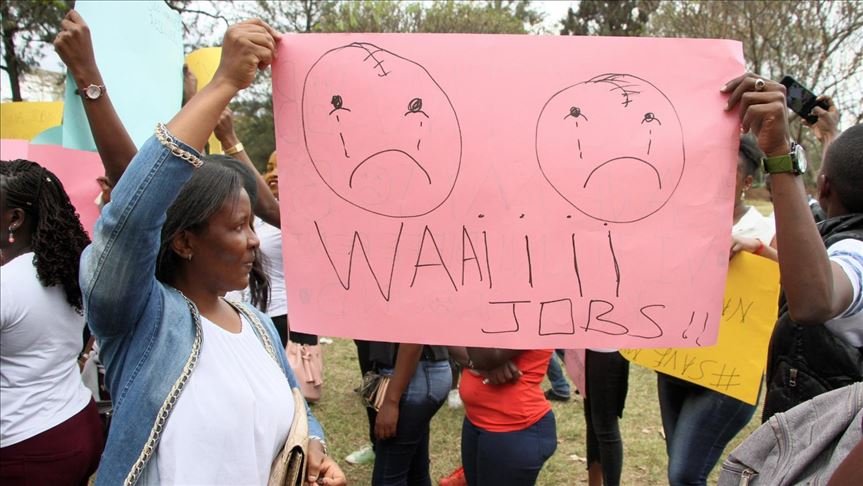
Kenya’s economy is growing, but rigid regulations, skills mismatches, and a high-cost business environment continue to perpetuate job scarcity, with most new workers trapped in informal employment.
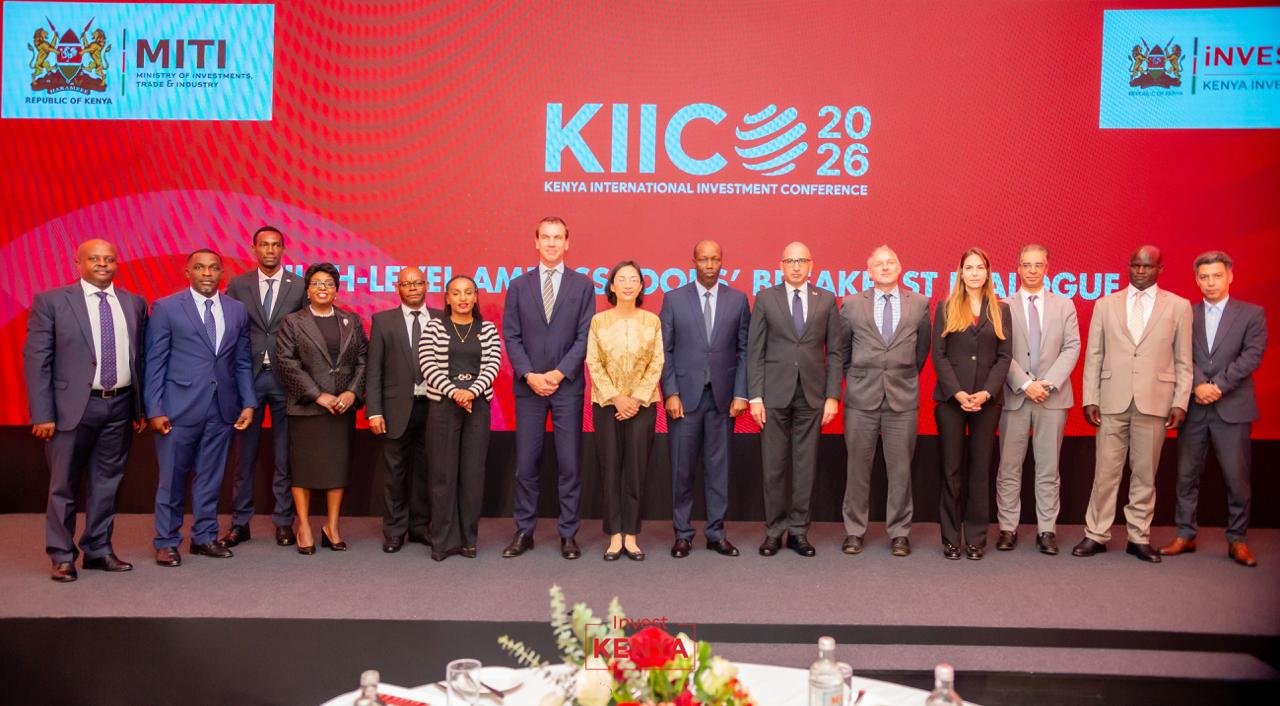
Kenya's big investment conference KIICO 2026 comes to Nairobi March 25-27, inviting 500 global business leaders to pour over $2 billion into local factories, farms, tech jobs, and green energy projects.
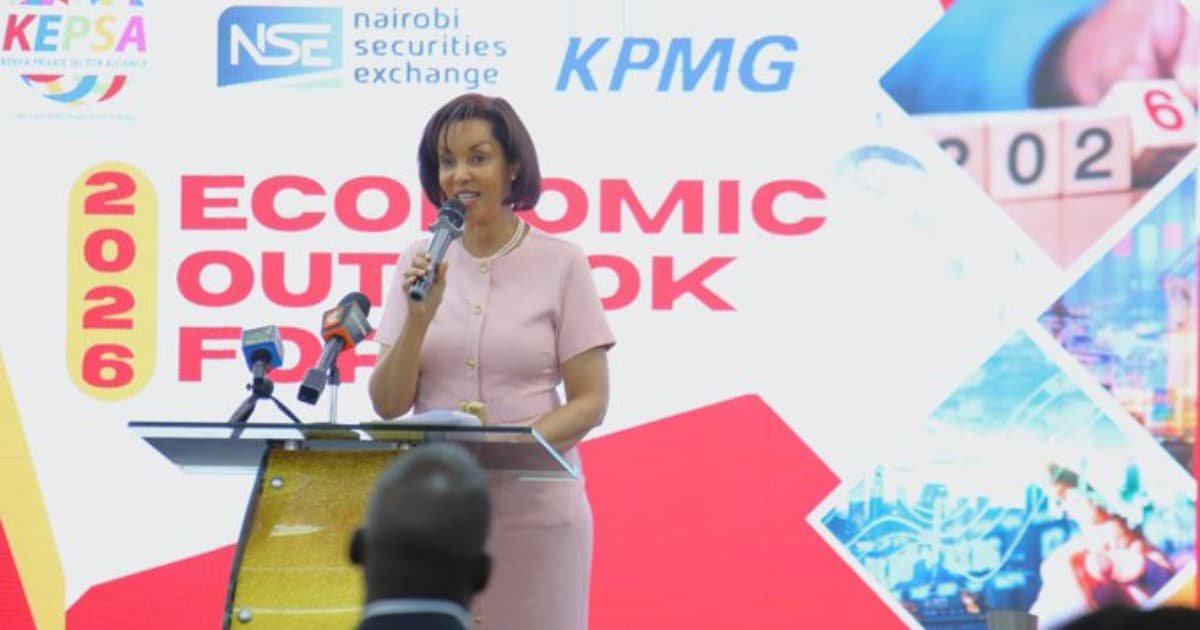
Kenya’s economic growth is set at 4.9–5.2% in 2026, supported by stable inflation.

Kenya has built roads, rail and power at record speed, but without a clear industrial strategy, the country risks accelerating imports rather than manufacturing its own prosperity.

A Los Angeles courtroom saw Meta CEO Mark Zuckerberg testify for the first time before a jury on February 18, 2026, defending Instagram against claims it deliberately addicts children and fuels mental health crises.
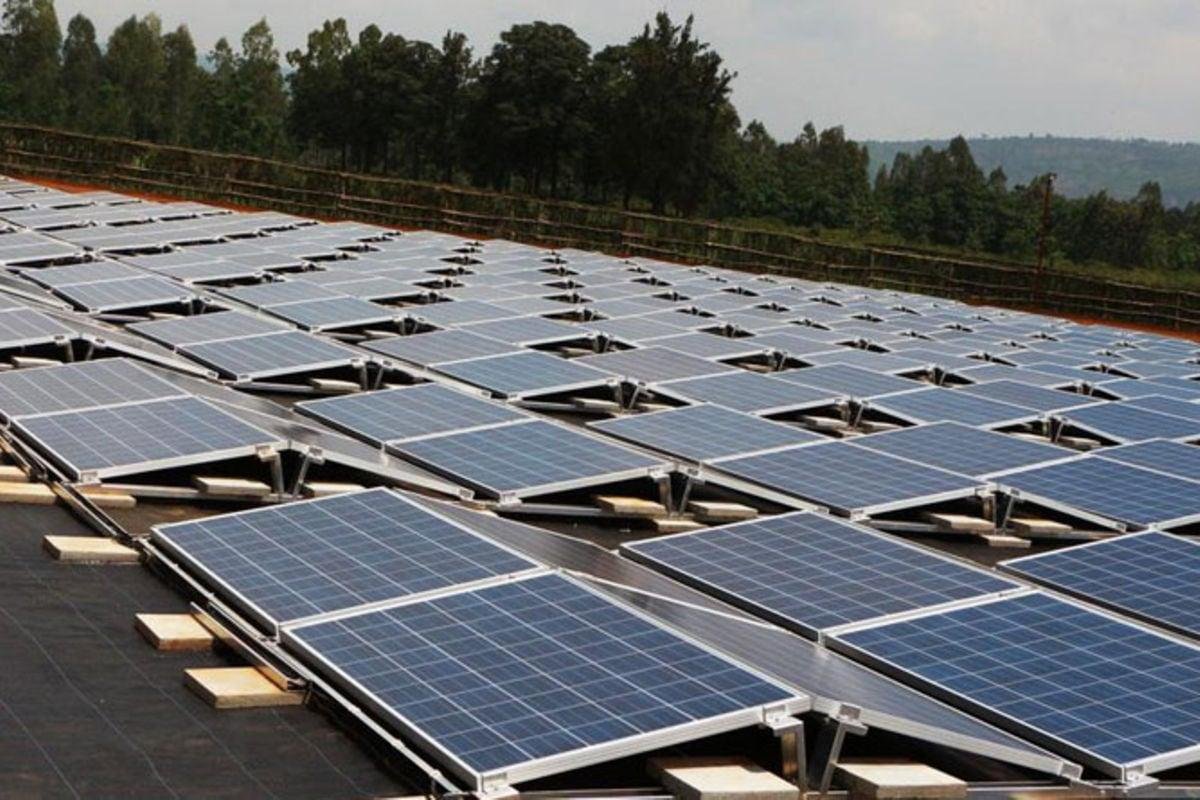
Africa faces a multi-billion-dollar financing gap in renewable infrastructure, despite having some of the world’s most abundant solar, wind, and hydro resources.
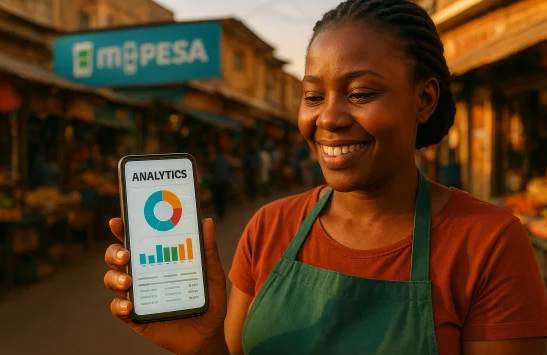
A local AI app just crossed 3,500 business sign-ups in only three months.
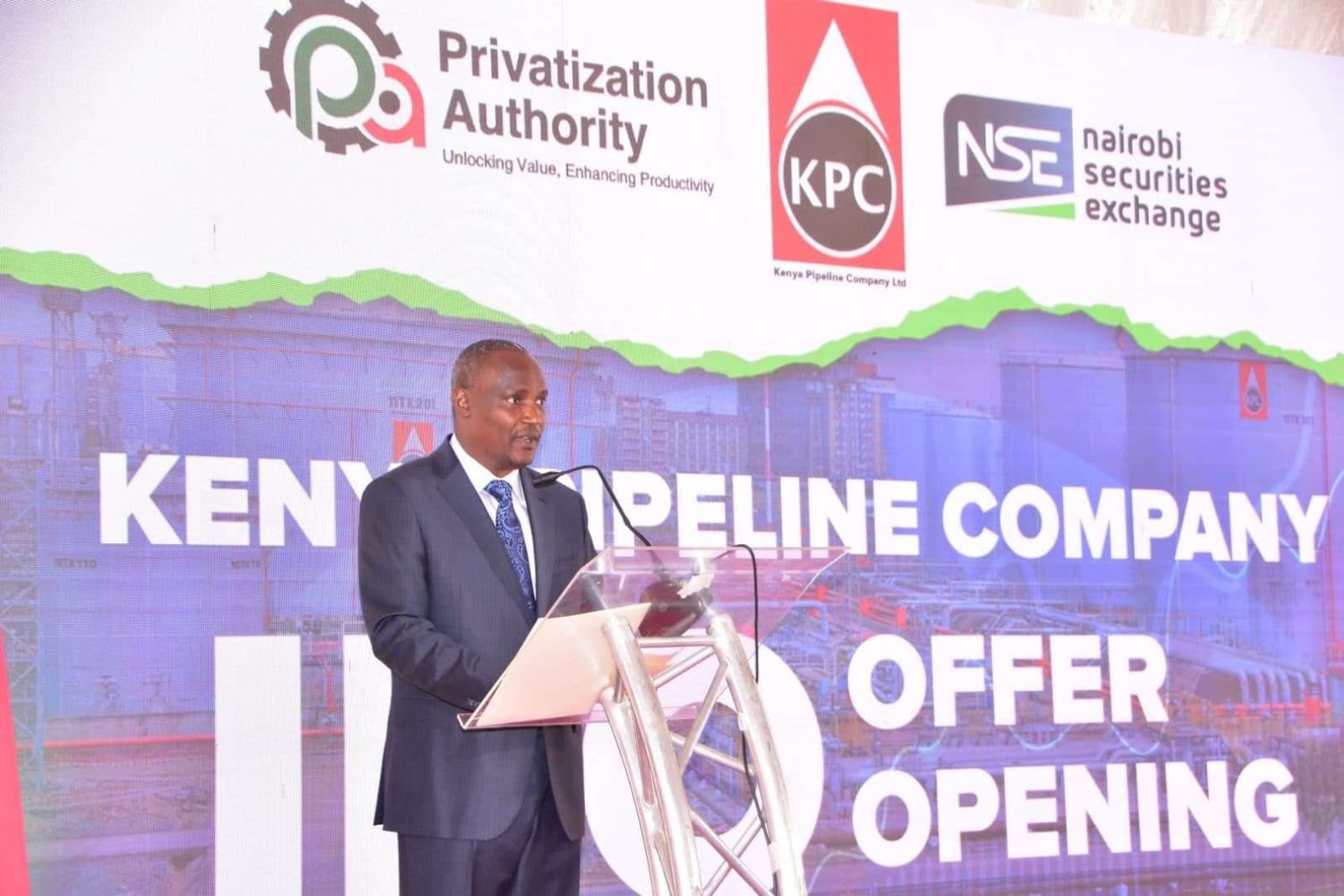
Kenya has opened ownership of its most strategic energy company to the public through the largest IPO since Safaricom, giving ordinary citizens a rare chance to invest in the pipeline that powers the country.
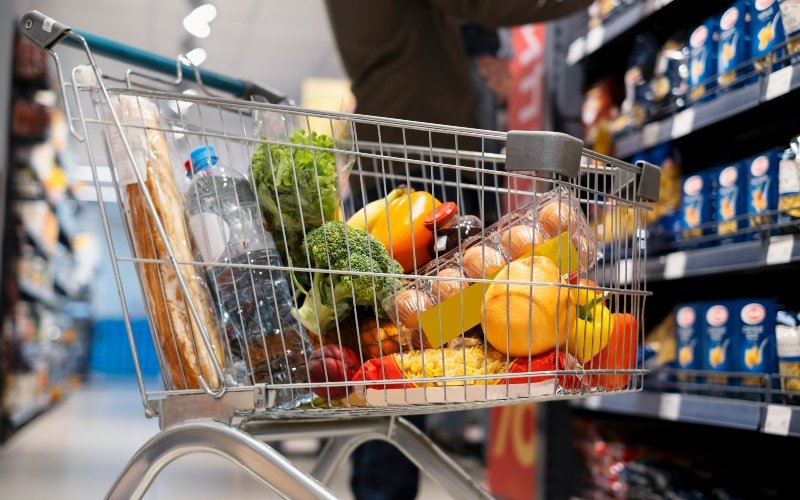
The Consumer Price Index increased from 149.20 in February to 150.00 in March, translating to a monthly inflation rate of 0.5 per cent, while the year-on-year rate stood at 4.4 per cent.