The ongoing conflict involving Iran and strikes across the Gulf region is now threatening Kenya’s Gulf trade, valued around Sh700 billion — a core pillar of the nation’s export economy and supply chain.
The ongoing conflict involving Iran and strikes across the Gulf region is now threatening Kenya’s Gulf trade, valued around Sh700 billion — a core pillar of the nation’s export economy and supply chain.

Kenya has built roads, rail and power at record speed, but without a clear industrial strategy, the country risks accelerating imports rather than manufacturing its own prosperity.

Kenya has been ranked the second most innovation-ready country in Africa, underscoring the country’s growing appeal to investors and reinforcing Nairobi’s position as a leading hub for startups and entrepreneurship on the continent.

Kenyan businesses are navigating a complex economic landscape in 2026.
Kenya is intensifying talks with the African Development Bank as the State seeks new African Development Bank funding to support power, water, health and infrastructure priorities.

Kenya’s economic conversation celebrates growth figures while quietly overlooking the financial suffocation of the very class that sustains its tax base and consumption engine.

Kenya’s economic future depends on one powerful strategy: investing in youth.

Kenya’s wholesale and retail industry — a cornerstone of employment — is under pressure.
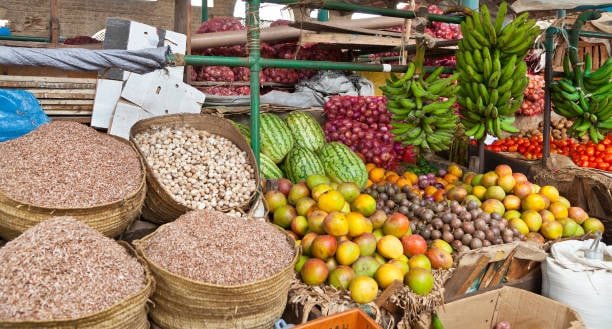
The persistence of regulatory barriers, financial exclusion and skill mismatches means that Kenya business growth remains stalled — and significant policy action is needed to create an enabling environment for scalable, inclusive growth.
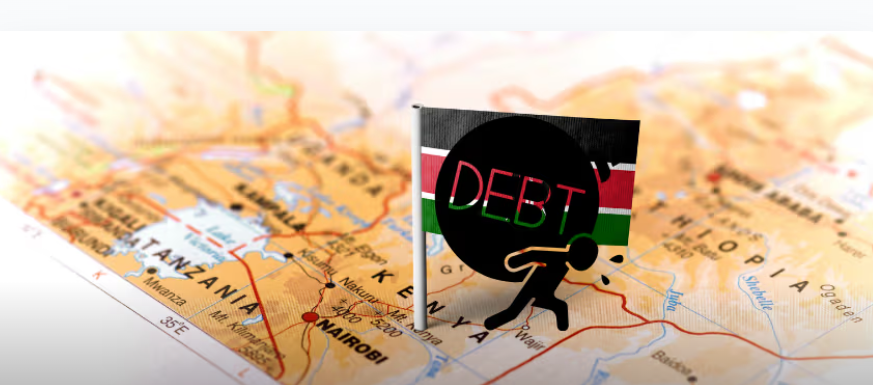
The Kenya domestic debt financing plan now leans heavily toward local borrowing, reducing exposure to foreign exchange risk amid tighter global lending conditions.