Now Reading: Kenya’s social commerce boom could unlock a regional retail revolution
-
01
Kenya’s social commerce boom could unlock a regional retail revolution
Kenya’s social commerce boom could unlock a regional retail revolution



Kenya may not need to build another generation of expensive shopping malls to dominate Africa’s next retail revolution. Social commerce is already emerging through TikTok, Instagram, Facebook, and WhatsApp, where traders demonstrate products, engage customers, and close sales without relying on conventional shops or sophisticated e-commerce websites. The model is particularly powerful because Kenya already has the mobile-money infrastructure needed to turn online attention into immediate transactions. With social-media use expanding and mobile money deeply embedded in everyday commerce, the country has the ingredients to become a regional hub for Africa’s fast-growing creator-led retail economy.

Social commerce in Kenya is turning smartphones into shops
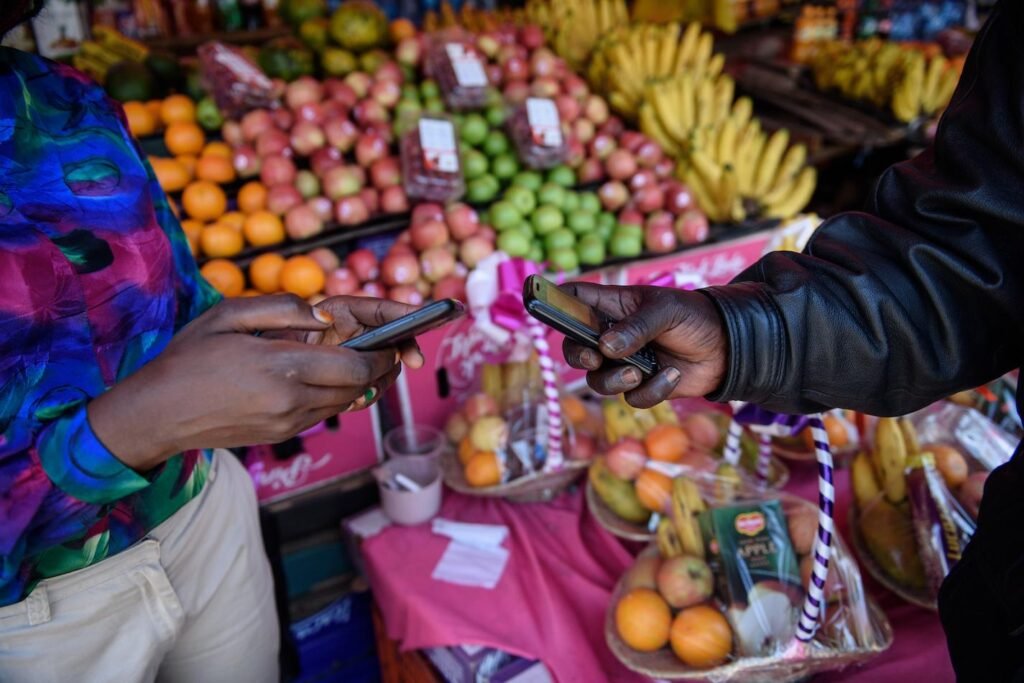
The traditional path to e-commerce assumed that consumers would move from physical shops to websites and eventually large online marketplaces. Kenya is developing something different. Traders can showcase clothes, cosmetics, electronics, or household goods on a livestream, answer questions through comments or WhatsApp, receive payment through mobile money and arrange delivery without owning a conventional storefront.
That makes social commerce particularly accessible to small businesses and young entrepreneurs. DataReportal Digital estimated 23.4 million internet users and 18.4 million social-media user identities in Kenya at the end of 2025. TikTok’s advertising resources also indicated an adult audience of about 15.1 million, giving creators and merchants an enormous potential customer base.
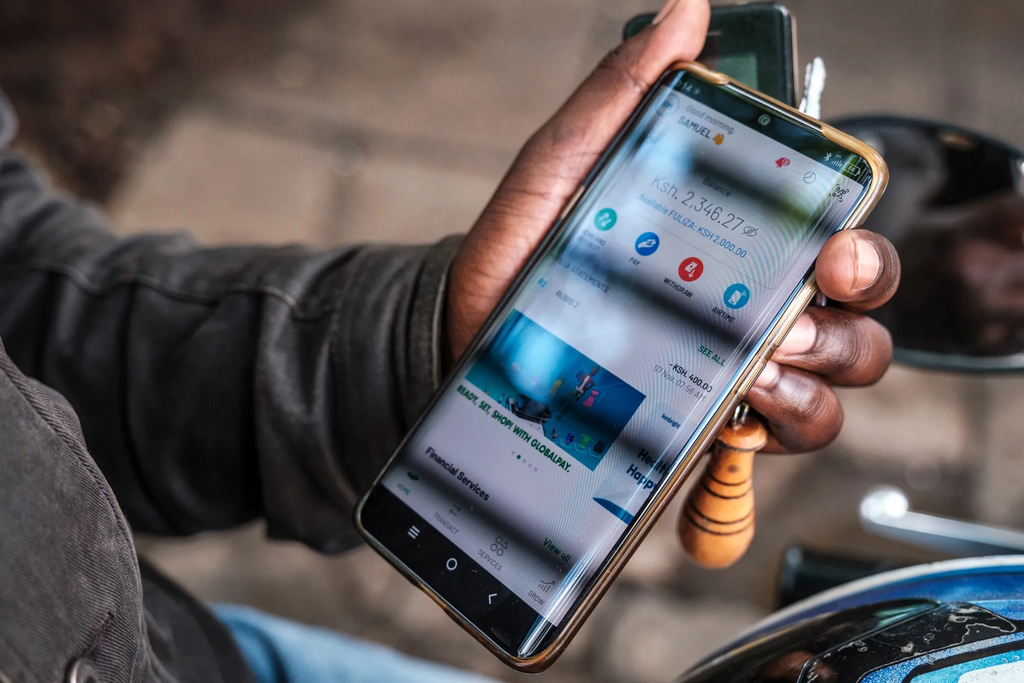
The country’s payment infrastructure strengthens the proposition. Central Bank of Kenya data show that registered mobile-money accounts reached 94.35 million in July 2026, while agent cash-in and cash-out transactions were valued at Sh728.7 billion that month.
The result is a remarkably compressed commercial journey: content creates awareness, a livestream builds trust, WhatsApp handles conversation, mobile money completes payment. and a courier delivers the product.
For a small trader, the smartphone is becoming the shop, salesperson, advertising channel, and till.
Social commerce in Kenya could create a new regional business ecosystem
The opportunity extends well beyond selling products on TikTok. A larger social commerce ecosystem could create demand for content creators, livestream presenters, affiliate marketers, digital advertisers, fulfilment companies, warehouse operators, logistics providers, and merchant-financing platforms.
It could also change how financial institutions assess small businesses. Many social-commerce merchants generate genuine sales but lack conventional premises, audited accounts, or traditional collateral. Their digital transaction histories, with appropriate consent and safeguards, could provide lenders with alternative evidence of cash flow and support new forms of working-capital finance.
For established companies, the threat is equally significant. Manufacturers, retailers, hotels, agribusinesses, and consumer brands can use live demonstrations to sell directly to customers while collecting immediate feedback. That could reduce customer-acquisition costs and allow smaller companies to expand geographically without investing heavily in physical outlets.
But the opportunity carries risks. Fraud, counterfeit goods, misleading advertising, non-delivery, and misuse of customer data could undermine trust. Businesses also risk becoming dependent on algorithms controlled by social-media platforms.
That makes ownership of the customer relationship increasingly important. Kenyan merchants that build databases, loyalty programmes, websites, and WhatsApp communities alongside their social channels will be better positioned than those relying entirely on platform visibility.
The regulatory challenge will be to protect consumers without suffocating innovation. Data protection, taxation, payment security, counterfeit enforcement, and dispute resolution will become increasingly important as commerce moves deeper into social platforms.
Kenya has already demonstrated its ability to leapfrog conventional financial infrastructure through mobile money. In Kenya, social commerce offers another opportunity to leapfrog traditional retail, using assets the country already possesses: smartphones, social networks, mobile payments, and an entrepreneurial SME sector.
The next opportunity is not simply to sell more products online. It is to build the African commercial infrastructure around this new way of selling.
Related Posts