Now Reading: Ethiopian Airlines shows Africa how to build businesses that last
-
01
Ethiopian Airlines shows Africa how to build businesses that last
Ethiopian Airlines shows Africa how to build businesses that last

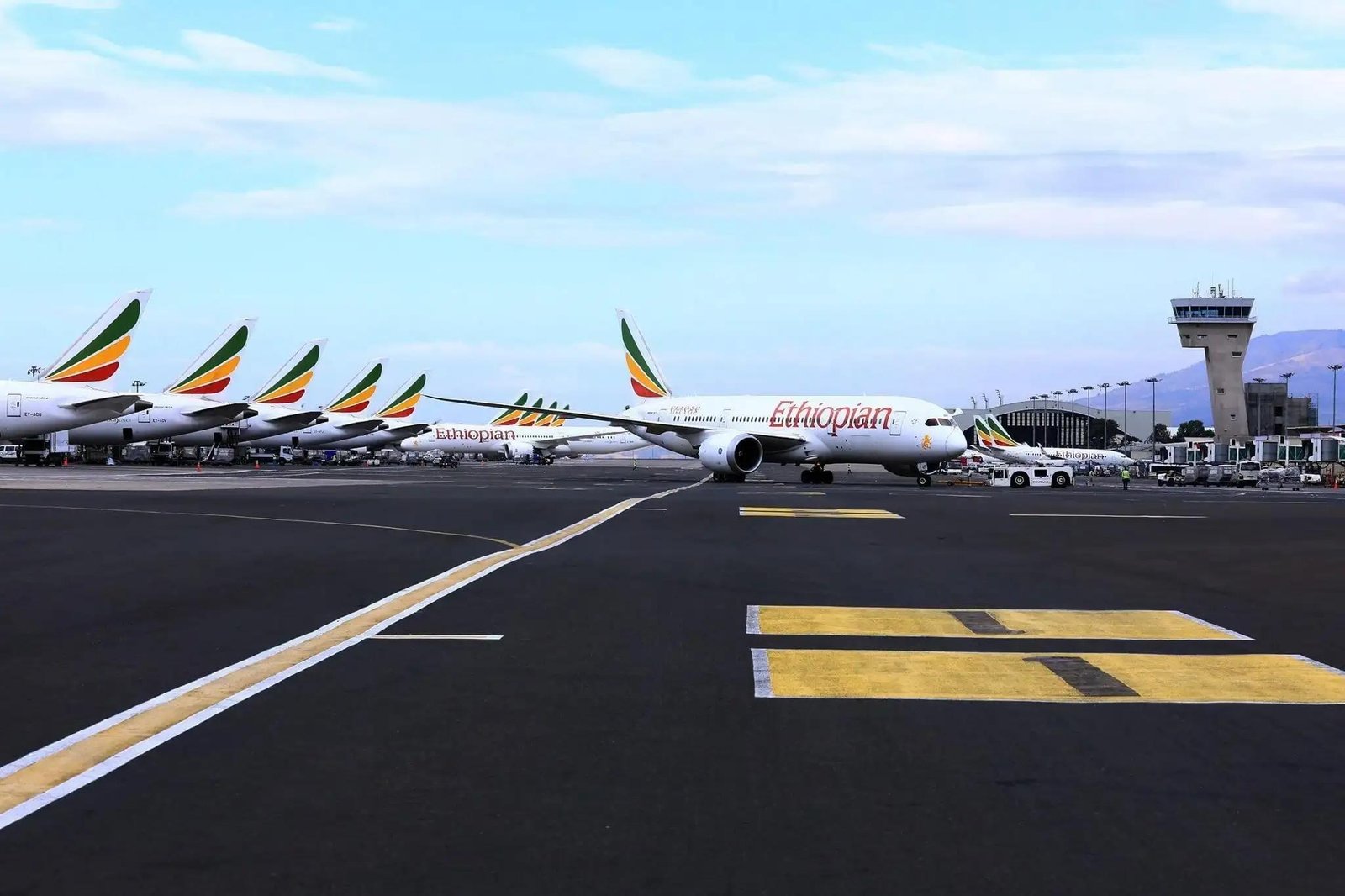

Winning once can be a sign of excellence. Winning repeatedly suggests something deeper: an organization has built systems capable of producing excellence consistently. Ethiopian Airlines has now been named Africa’s Best Airline by Skytrax for the ninth consecutive year, while also winning awards for Business Class and Economy Class onboard catering in 2026. Therefore, Ethiopian Airlines’ business model extends far beyond aviation. It offers African corporations a masterclass in turning strategy, people, and disciplined execution into a sustainable competitive advantage.”
Ethiopian Airlines business model puts institution-building ahead of short-term wins
The easiest explanation for Ethiopian Airlines’ success would be its impressive network. The harder question is how the carrier has repeatedly maintained performance as markets, leaders, and economic conditions change.
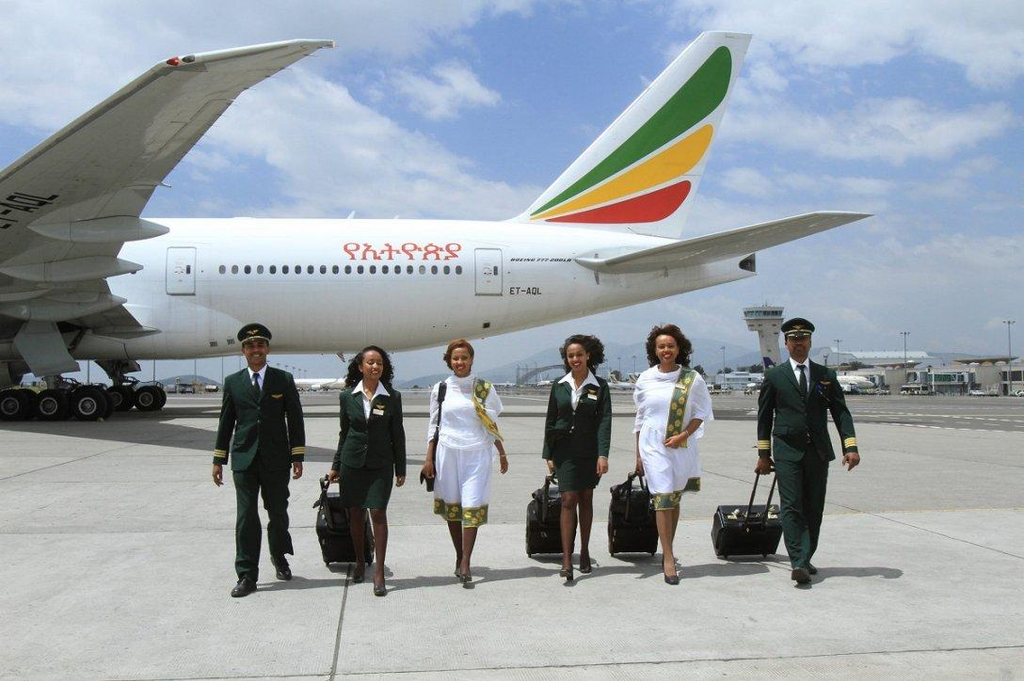
The answer is institutional capability. Ethiopian says it completed its 15-year Vision 2025 strategy ahead of schedule before moving to Vision 2035, illustrating an approach in which long-term strategy guides investment in infrastructure, technology, people, and partnerships rather than being replaced by annual targets.
That thinking is relevant far beyond aviation. A Kenyan manufacturer, bank, or technology company may increase revenue rapidly, but sustainable growth depends on whether its systems, people, and balance sheet can absorb that expansion. Market share can rise quickly; organizational capability takes years to build.
Ethiopian has also expanded beyond passenger travel into training, maintenance and engineering, cargo, and ground handling. That broader ecosystem gives the group capabilities that can compound over time while reducing dependence on a single source of revenue.
The lesson for African businesses is clear: build capabilities, not merely sales.
Ethiopian Airlines business model treats people as strategic infrastructure
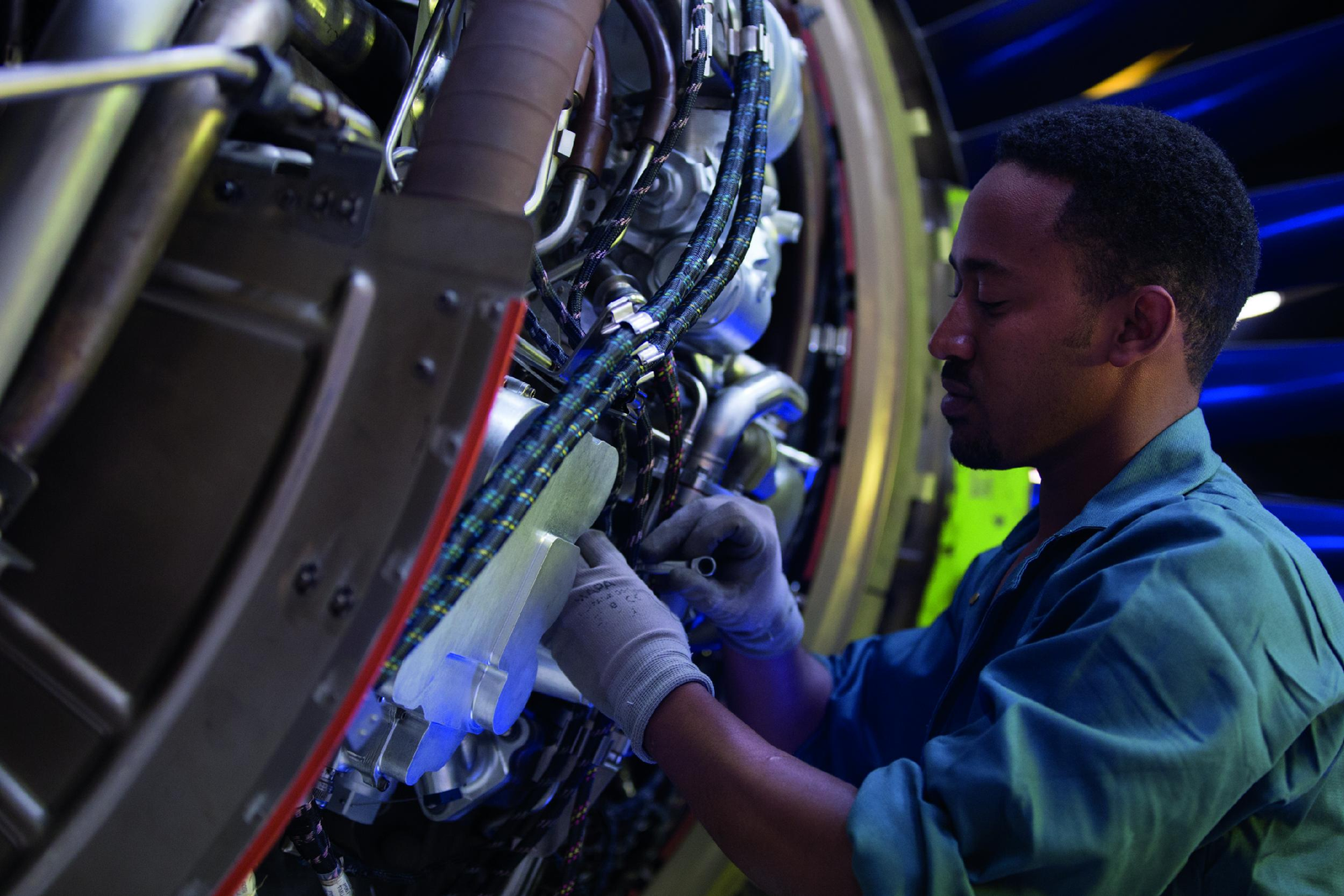
Perhaps the most transferable part of the Ethiopian Airlines business model is its investment in people. The airline has developed leadership internally over decades, with executives moving through engineering, maintenance, technology, operations, cargo, and commercial roles before taking senior positions.
That creates institutional memory. When experienced employees become leaders, knowledge does not leave the organization every time an executive changes.
The same principle applies to businesses across Africa. Employees should not be treated solely as an operating cost. They are infrastructure capable of carrying strategy, culture, and expertise into the future.
The airline’s 2025/26 performance illustrates the scale that this institutional approach now supports: $9.1 billion in revenue, 20.7 million passengers, and 897,000 tonnes of cargo, according to figures cited by Ethiopian Airlines Group Chief Executive Officer Mesfin Tasew.
Yet scale is not the real achievement. Managing scale without allowing service, financial discipline, or operational control to deteriorate is the harder task.
That is why Ethiopian’s nine-year award streak matters. The trophy is simply the visible outcome. Beneath it sits decades of investment, systems, leadership development, and consistency.
For African businesses, the message is increasingly relevant: do not build companies that depend on extraordinary individuals.
Build institutions capable of producing extraordinary performance repeatedly.
Related Posts

Previous Post
Next Post