Now Reading: Why Kenya must close the gap between research and business
-
01
Why Kenya must close the gap between research and business


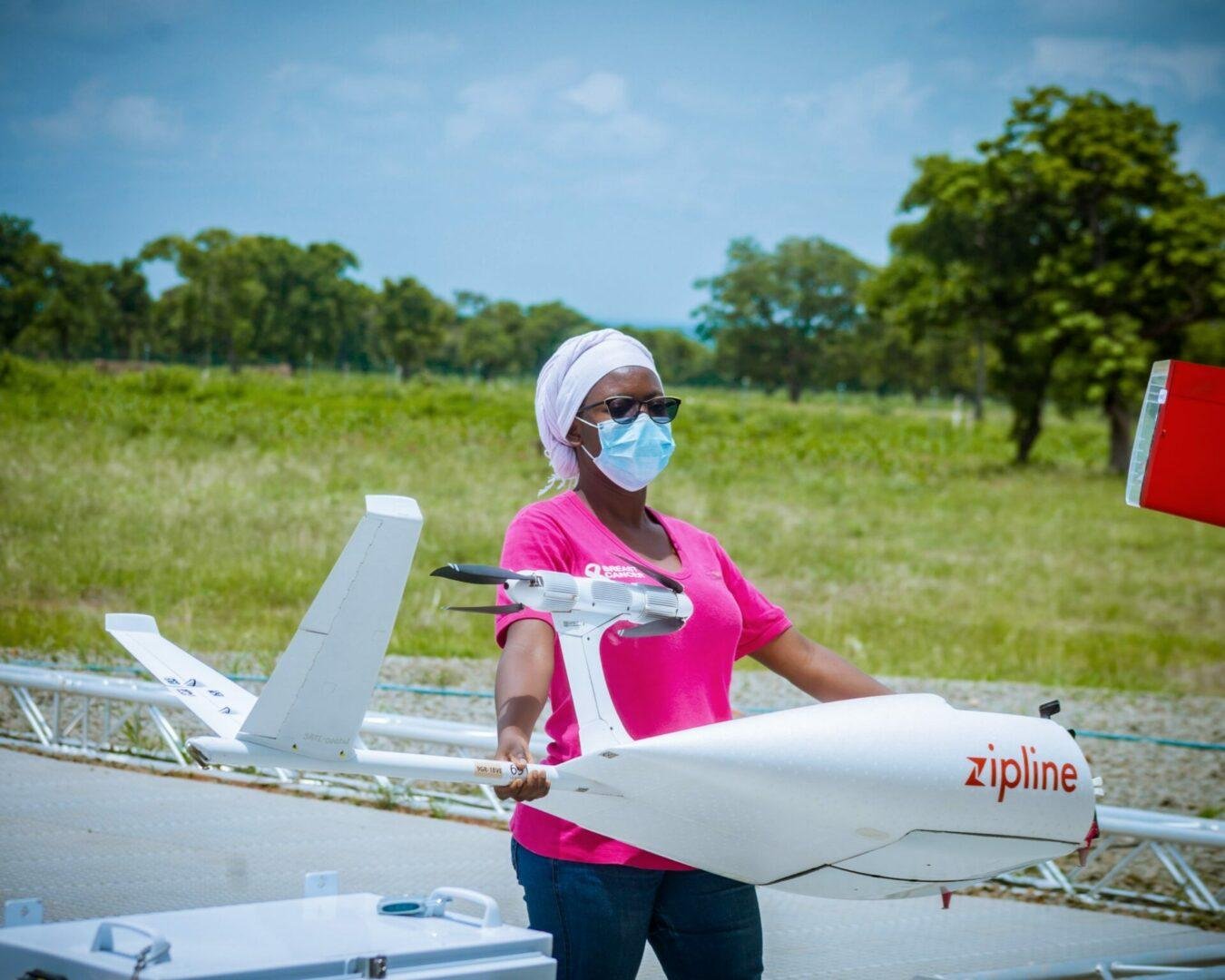
Kenya has no shortage of researchers, engineers or promising ideas. The bigger problem is what happens after a prototype leaves the laboratory. Research commercialisation in Kenya is now receiving renewed attention as universities, research institutions, TVETs, government agencies, standards bodies, and industry push for a clearer route from scientific discovery to commercially viable products. The debate comes at a crucial moment for an economy seeking new sources of productivity, skilled employment and locally developed technology. If Kenya can consistently turn research into businesses, the payoff could extend from stronger enterprises to jobs, exports, and solutions to some of the country’s most persistent economic challenges.
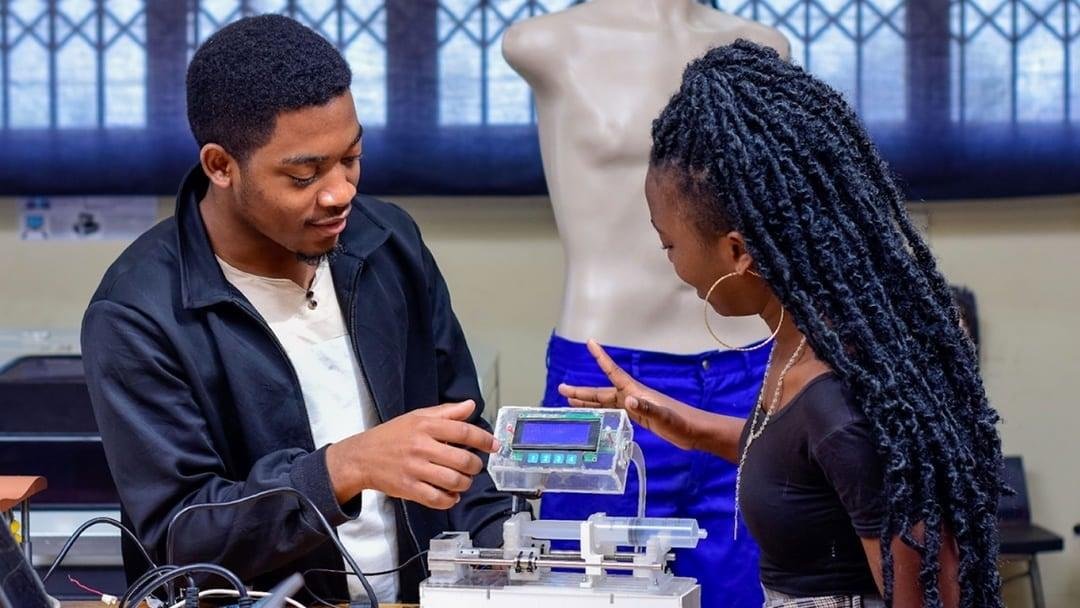
Research commercialisation needs a stronger path from laboratory to market
The challenge was highlighted during a Research Innovation and Commercialisation Roundtable held in Nairobi ahead of the Africa Technology Leadership Conference 2026. Participants identified a familiar weakness: promising innovations often stall between research, validation, certification, financing, and market entry.
Professor Shaukat Abdulrazak, Principal Secretary for Science, Research, and Innovation, said Kenya has the talent and ideas but must become better at converting knowledge into enterprises, jobs, useful products, and measurable public benefit.
That requires changing the way research is financed and developed. Instead of treating an invention as a finished product once a prototype exists, researchers need support through distinct stages, from ideation and proof of concept to prototyping, validation, commercialisation, and eventual scale.
The proposed approach could make research commercialisation more attractive to investors by creating clearer opportunities to assess technologies at different levels of maturity.
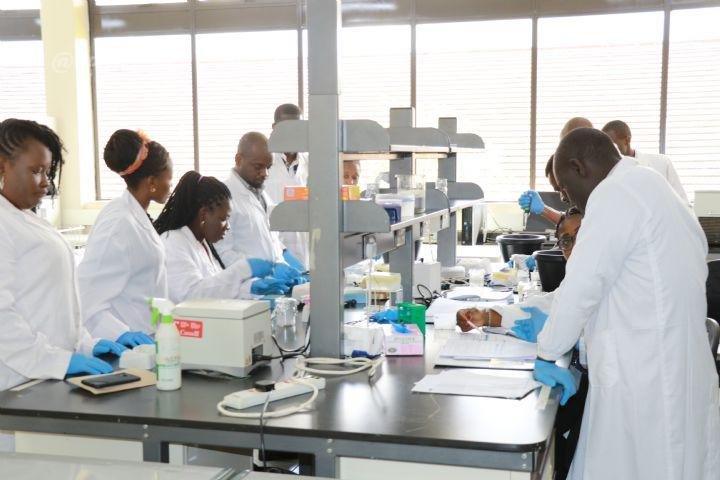
Research commercialisation could unlock a new investment pipeline
A major priority is connecting researchers with industry much earlier. The roundtable argued that companies should participate in the research ecosystem before prototypes are completed, helping scientists understand commercial demand rather than developing technologies in isolation.
This could significantly improve research commercialisation because businesses bring something laboratories often lack: direct knowledge of customers, distribution, pricing, and production economics.
Standards and intellectual-property rules are equally important. The Kenya Bureau of Standards emphasized that compliance should be considered from the beginning of product development rather than treated as a final obstacle before market entry. Participants also called for clearer ownership and benefit-sharing arrangements involving researchers, institutions, students, and commercial partners.
The proposed deal-room model at the Africa Technology Leadership Conference could provide another missing link by connecting selected innovations with investors, testing facilities, corporate partners, and distribution networks. The conference is scheduled for October 22–23, 2026, in Nairobi.

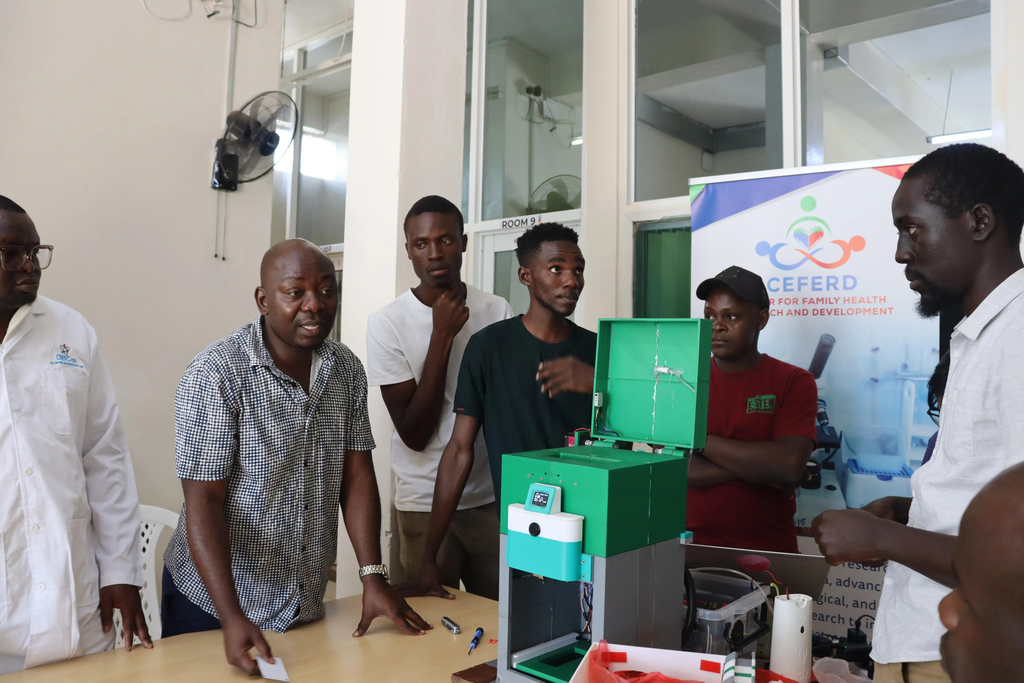
Research commercialisation must create businesses, not just patents
The ultimate test of research commercialisation in Kenya will not be the number of papers published or prototypes displayed at conferences. It will be whether innovations become products people buy, companies can scale, and technologies Kenya can export.
That is why domestic financing will be critical. The roundtable proposed combining public funding, industry investment, matching grants, blended finance, and longer-term capital according to the risk at each development stage.
Kenya’s universities, TVETs, and research institutions already possess much of the intellectual capital required. What has been missing is a dependable bridge between knowledge and enterprise.
If that bridge is built, research could become more than an academic output. It could become one of Kenya’s most important sources of new businesses, skilled jobs, and technological competitiveness.
Related Posts



Previous Post
Next Post