
Now Reading: Why water may hold the key to Northern Kenya’s economic growth
-
01
Why water may hold the key to Northern Kenya’s economic growth
Why water may hold the key to Northern Kenya’s economic growth

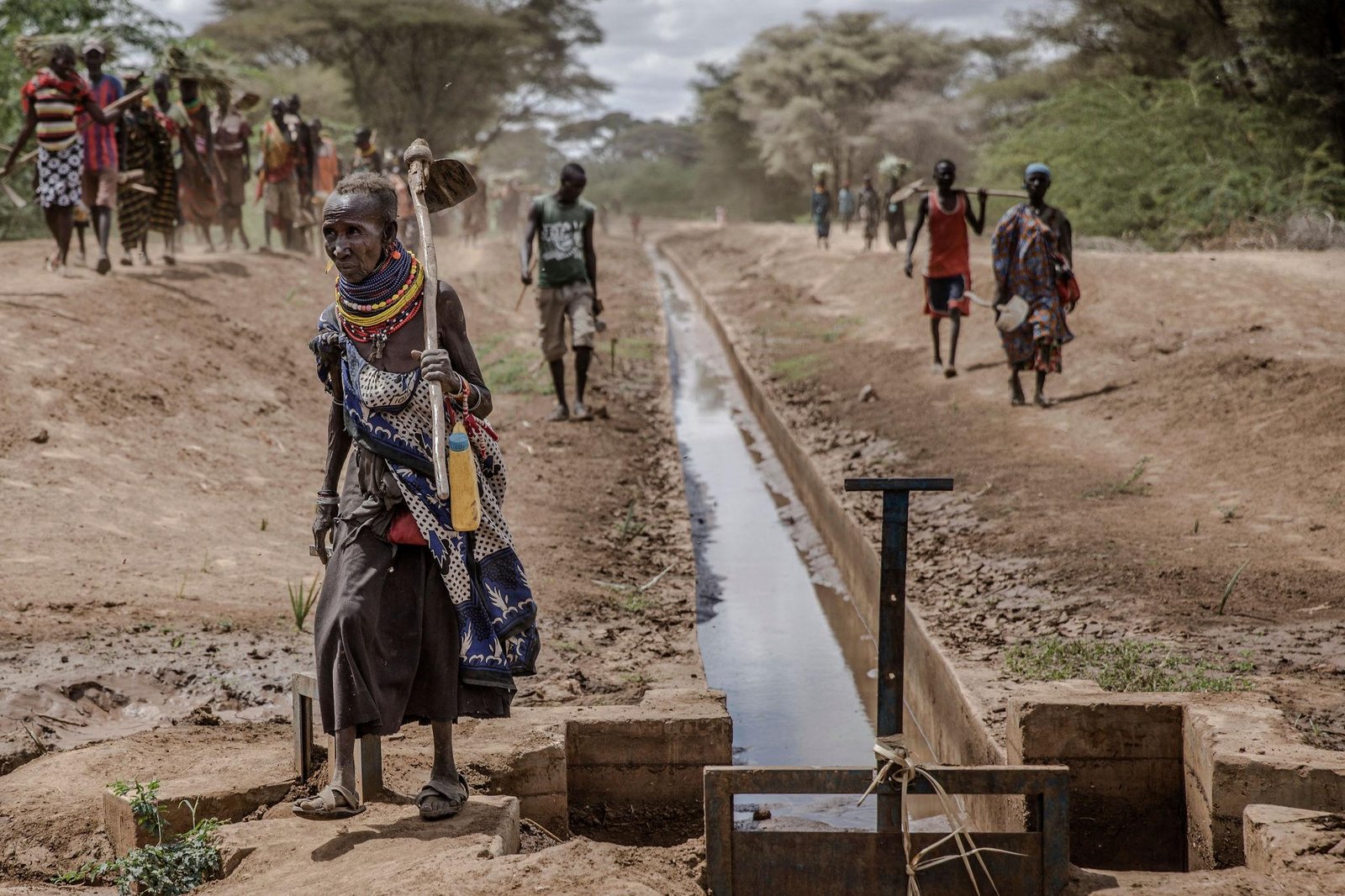

Northern Kenya’s next economic opportunity may depend on a resource that businesses in more developed markets often take for granted: reliable water. The region holds potential across livestock, agriculture, tourism, energy, logistics and cross-border trade, but inadequate water infrastructure can limit how quickly these sectors expand. As investors search for opportunities that combine commercial returns with climate resilience and social impact, water generation, treatment, and distribution are becoming increasingly important parts of the economic equation. Water infrastructure investment in Kenya could therefore help turn water-stressed communities into more productive economic centers, provided projects can deliver affordable, dependable, and sustainable supplies.
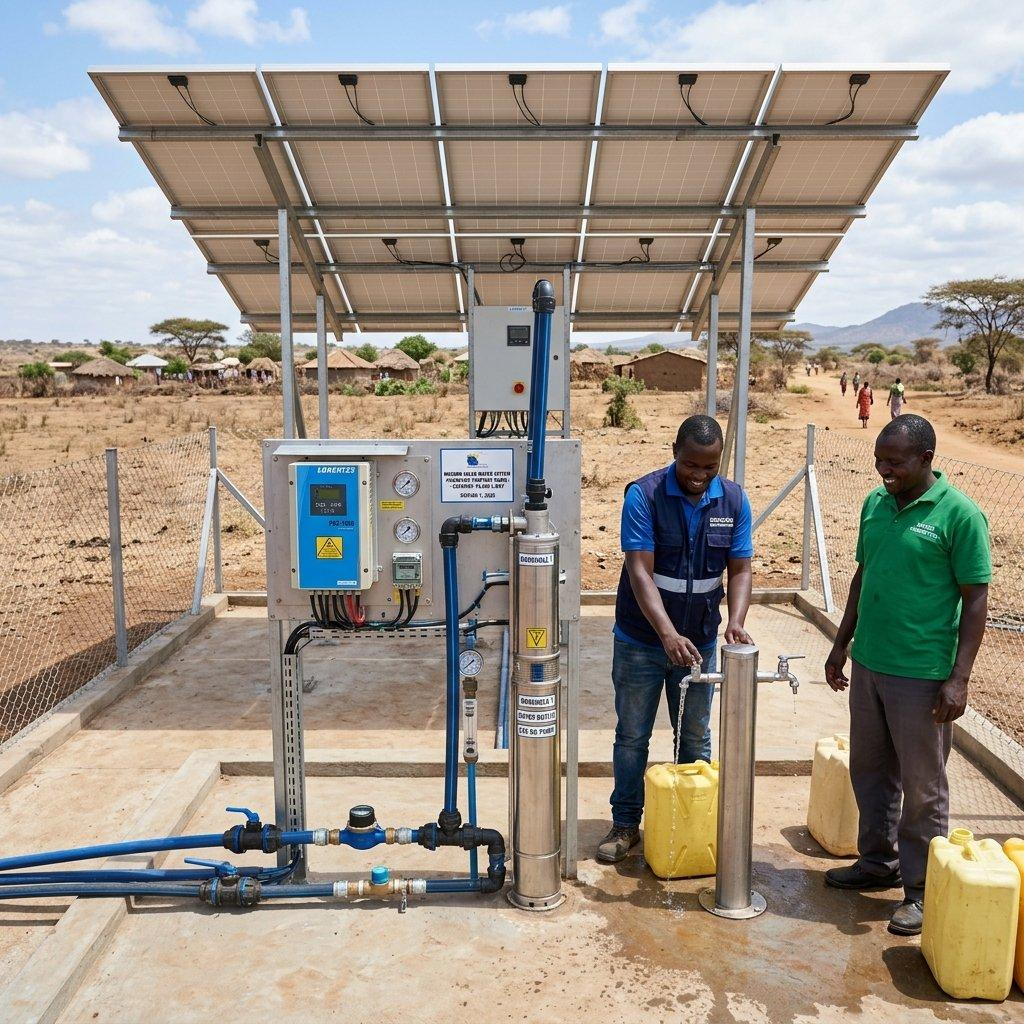
Water infrastructure investment in Kenya could unlock growth across industries
Water scarcity affects far more than household consumption. Livestock producers need dependable supplies for animals and processing, farmers require water to sustain production, and hotels, hospitals, schools, and manufacturing facilities cannot operate efficiently without reliable access. Energy and construction projects also depend on water for specific operational needs, making supply a consideration in investment decisions across multiple industries.
For Northern Kenya, the economic consequences can extend through entire supply chains. Unreliable water can increase operating costs, interrupt production, discourage businesses from locating in emerging towns, and deepen the vulnerability of communities during drought. Conversely, dependable infrastructure can support jobs, local procurement, commercial services, and investment in places where businesses might otherwise hesitate to expand.
This creates opportunities for water technology providers, engineering companies, infrastructure developers, and investors. Advanced treatment systems, water recycling, efficient desalination where suitable, solar-powered pumping, and atmospheric water generation may offer solutions in particular locations. However, each technology must be assessed against local conditions, including water quality, energy requirements, capital costs, and the volume of water it can reliably produce.
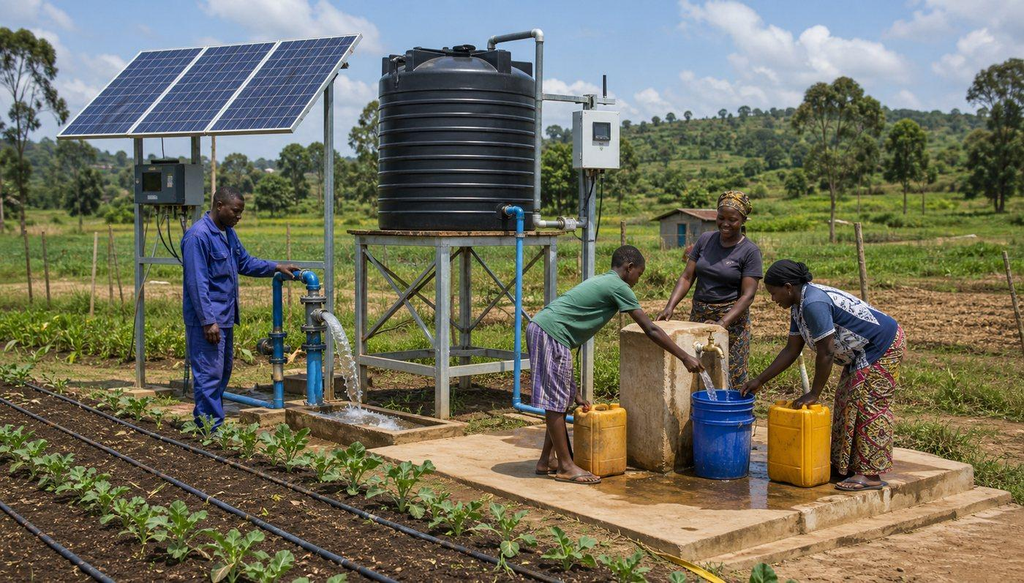
Water infrastructure investment in Kenya requires viable business models
The investment case depends on more than installing equipment. Projects must establish who will pay for the water, how much customers can afford, whether demand is sufficiently predictable, and how infrastructure will be maintained over time. A system that produces water but cannot cover its operating costs or reach customers consistently will struggle to deliver lasting economic benefits.
Potential models include supplying industrial customers through long-term contracts, providing water services to institutions, partnering with county governments, and developing community-based distribution networks. Blended finance and impact investment could also help fund projects whose wider benefits—such as improved health, climate resilience, and business development—extend beyond direct water sales.
Also Read: Kenya’s housing crisis is forcing families to sacrifice essentials
For emerging economic centers in Northern Kenya, reliable supply could strengthen the case for investment in hospitality, livestock value addition, food processing, and other water-dependent activities. Yet responsible development must also protect groundwater resources, comply with environmental requirements, and ensure that commercial demand does not undermine access for local communities.
The wider opportunity is to treat water as productive infrastructure rather than only an emergency response to drought. If technology, financing, and governance are aligned, water projects could support a more diversified regional economy while improving everyday living conditions.
For investors, the critical question is not simply how much water a system can generate. It is whether that water can be delivered sustainably, at an affordable cost, to the people and businesses that need it most.
Related Posts


Previous Post
Next Post



Pingback: Africa’s aviation growth depends on a hidden energy advantage