
In Nairobi, power does not always sit behind a boardroom table — sometimes it plays out quietly over golf, private dinners, and invitation-only gatherings where influence moves faster than headlines.
In Nairobi, power does not always sit behind a boardroom table — sometimes it plays out quietly over golf, private dinners, and invitation-only gatherings where influence moves faster than headlines.
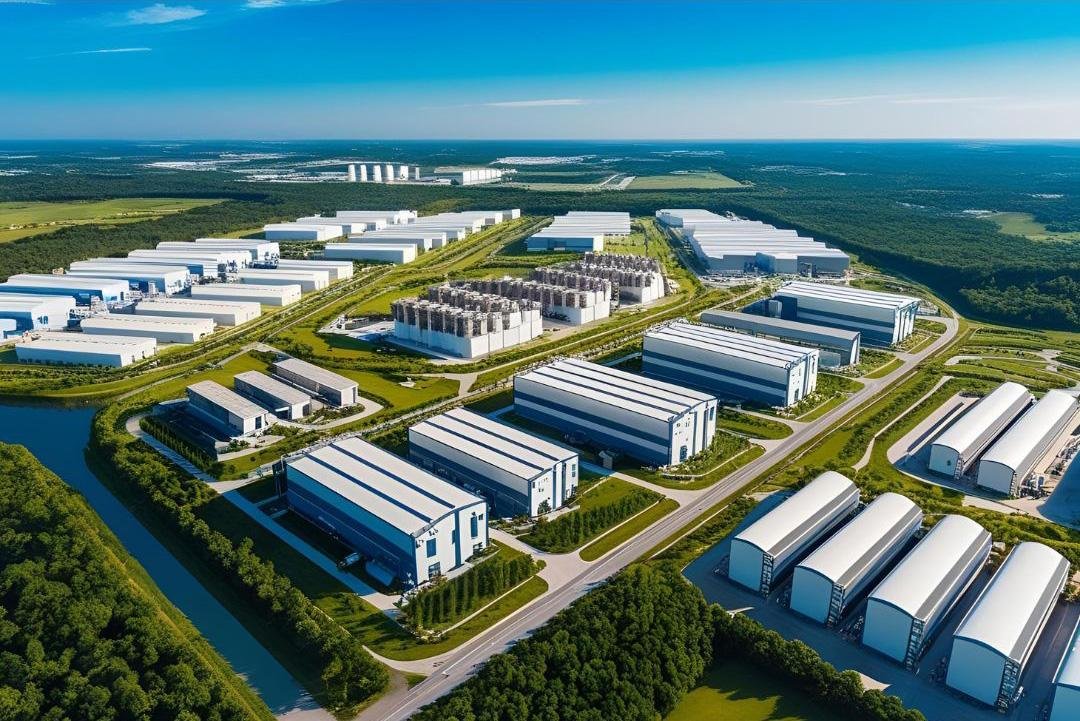
Ethiopia’s population size and labor force as key advantages, positioning it as a long-term industrial powerhouse despite ongoing macroeconomic and political challenges.
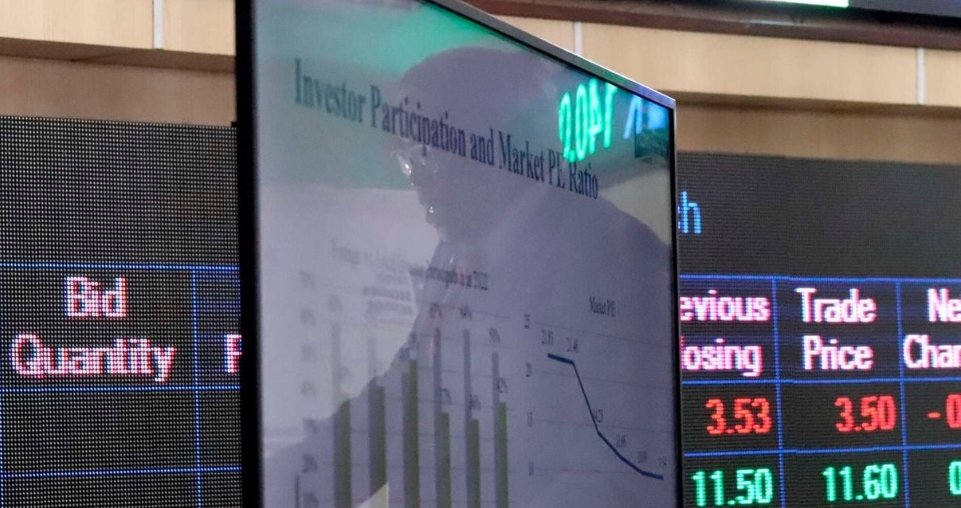
NSE stocks have just posted their biggest one-week gain ever — adding Sh220 billion in market value.
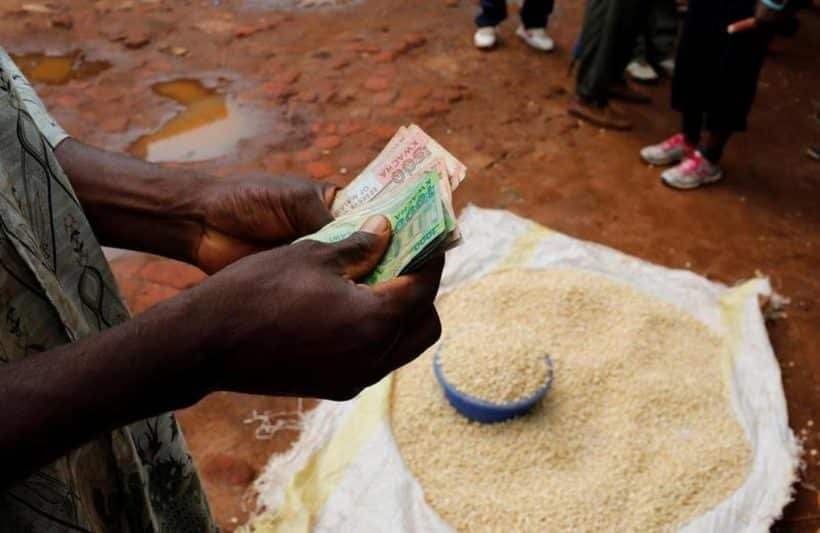
Malawi is targeting inflation below 21% this year as the government pursues IMF-backed reforms to stabilise prices, ease foreign exchange shortages, and restore economic growth.
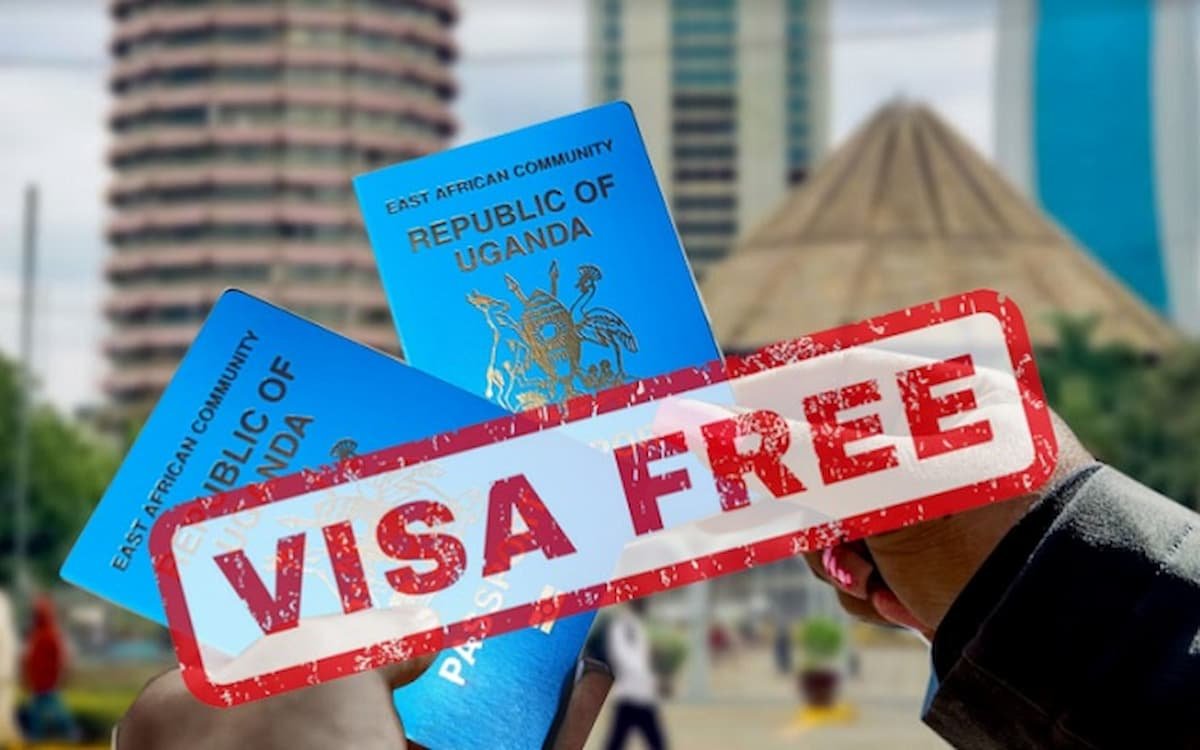
The policy, announced by the Uganda Ministry of Internal Affairs and implemented by the Directorate of Citizenship and Immigration Control, allows travellers from designated nations to enter Uganda without obtaining a visa in advance for stays of up to three months for tourism or business purposes.
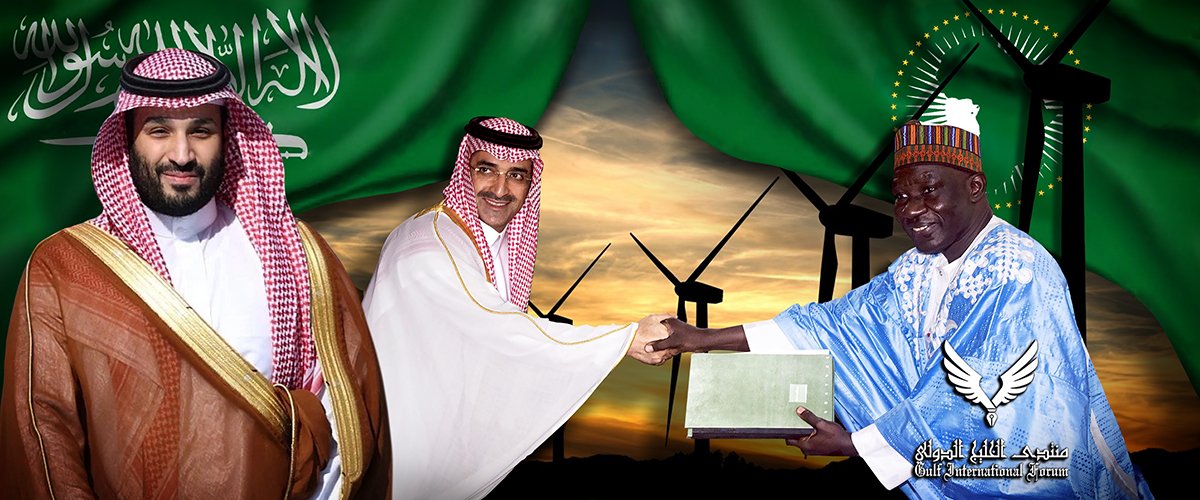
Saudi Arabia has pledged to invest more than $25 billion in Africa over the next seven years, a figure later expanded to $41 billion over the coming decade. The package includes development financing, export support, and funding for startups, signalling a broad-based approach to economic engagement.

AI-powered coding risks are rapidly emerging as a critical concern for enterprises embracing automation at scale. As organizations integrate AI tools to accelerate software development, a new phenomenon—often referred to

NSE M-Pesa share trading represents a structural inflection point for Kenya’s capital markets, with digital integration poised to unlock deeper liquidity, broaden participation and sustain long-term growth.
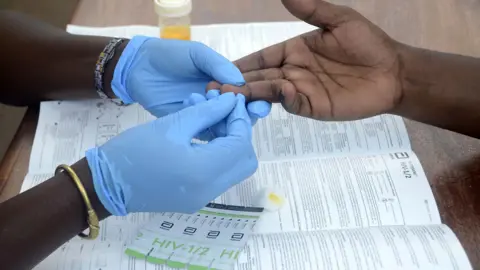
The United States has begun winding down health assistance to Zimbabwe after negotiations over a $367 million bilateral funding agreement collapsed, with Harare rejecting what it described as "lopsided" conditions requiring access to sensitive health data without guarantees of reciprocal benefits.

The Bank of Uganda has announced it will commence domestic gold purchases this month, targeting at least 100 kilograms between March and June 2026, as the East African nation moves to diversify its foreign exchange reserves and capitalize on record-high global gold prices.