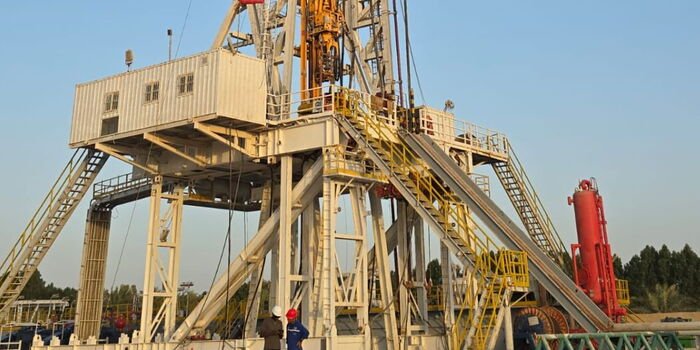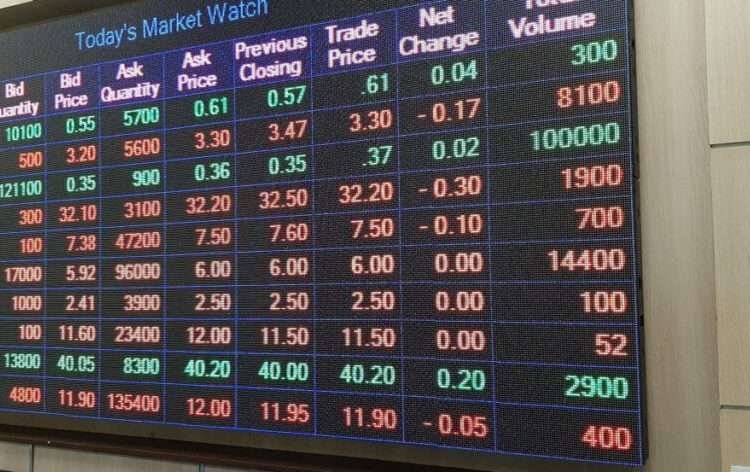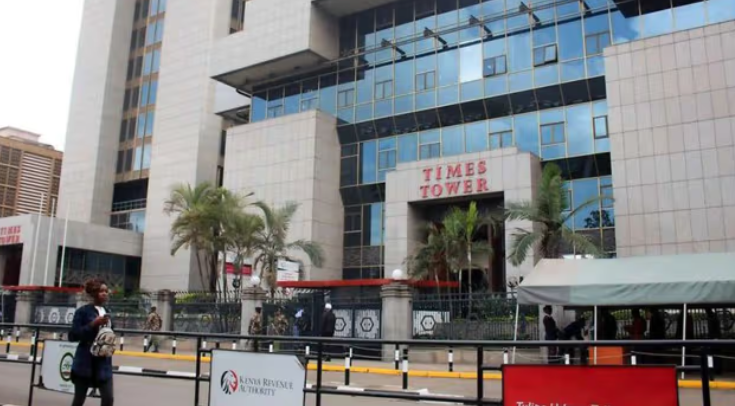
Kenya Electricity Generating Company (KenGen) has approved a first and final dividend of KSh 0.90 per share for the financial year ended June 30, 2025, up from KSh 0.65 per
The policy, announced by the Uganda Ministry of Internal Affairs and implemented by the Directorate of Citizenship and Immigration Control, allows travellers from designated nations to enter Uganda without obtaining a visa in advance for stays of up to three months for tourism or business purposes.
AI is no longer a future concept in East Africa. It’s already inside the home.
Kodak didn’t collapse because it lacked innovation. It collapsed because it hesitated to lead the very future it created. Its story remains one of the most powerful warnings in modern business history.
OPPO Kenya is set to launch its Reno15 Series on 23rd January 2026, offering three 5G-enabled variants: Reno15 Pro, Reno15, and Reno15F. The series blends premium design with advanced engineering,
Kenya’s economic future depends on one powerful strategy: investing in youth.
MTN Uganda has reported a 13.6 per cent increase in full-year revenue to $972 million for the year ended 31 December 2025, driven by rising demand for mobile data and financial technology services.
Sh160 million in NYOTA start-up grants empowers 5,000 Coast youth, promoting business creation and economic inclusion.
Banks lending margin has widened significantly as lenders lower returns to depositors more aggressively than they reduce borrowing costs.
The Kenyan shilling is facing renewed pressure as escalating conflict in the Middle East strengthens the US dollar and disrupts global financial markets. Analysts warn that the currency could weaken by between 8% and 30% if geopolitical tensions persist and capital continues to flow into safe-haven assets. A weaker shilling would significantly increase the cost of imports, fuel and debt servicing for the country. The Kenyan shilling Middle East war impact is emerging as a major concern for policymakers and businesses. Kenyan Shilling Middle East War Pressure Builds From Dollar Strength The Kenyan shilling Middle East war scenario is being driven largely by the strengthening of the United States Dollar, which investors are turning to amid global uncertainty. Historically, geopolitical conflicts push investors toward safer assets such as the dollar, causing emerging market currencies to weaken. For Kenya, a stronger dollar increases the cost of imports including fuel, machinery and raw materials, all of which are priced in foreign currency. This dynamic puts immediate pressure on the shilling, particularly as the country relies heavily on imports to support key sectors of the economy. Analysts say continued volatility in global markets could accelerate the depreciation of the local currency, especially if capital outflows increase. Import Costs, Debt and Inflation Risks Set to Rise The broader Kenyan shilling Middle East war impact could have far-reaching consequences for the economy. A weaker currency would make essential imports more expensive, leading to higher fuel prices and increased costs for goods and services across the country. This could drive inflation upward, affecting household purchasing power and business profitability. At the same time, Kenya’s external debt burden could become more expensive to service, as repayments denominated in dollars would require more local currency. Economists warn that these combined pressures could slow economic growth and complicate fiscal planning. Institutions such as the Central Bank of Kenya may be forced to intervene through monetary policy measures to stabilize the currency and control inflation. Experts say that while the situation depends heavily on how long the Middle East conflict lasts, the risks to the shilling remain significant. “If global uncertainty persists, emerging market currencies like the shilling are likely to remain under pressure,” analysts note. With global investors closely watching geopolitical developments, the Kenyan shilling Middle East war trend underscores how external shocks can quickly impact local currency stability.